Sign in. It’s quick, free and it’s up to you.
An account is an optional way to support the work we do. Find out more.
Sign in. It’s quick, free and it’s up to you.
An account is an optional way to support the work we do. Find out more.
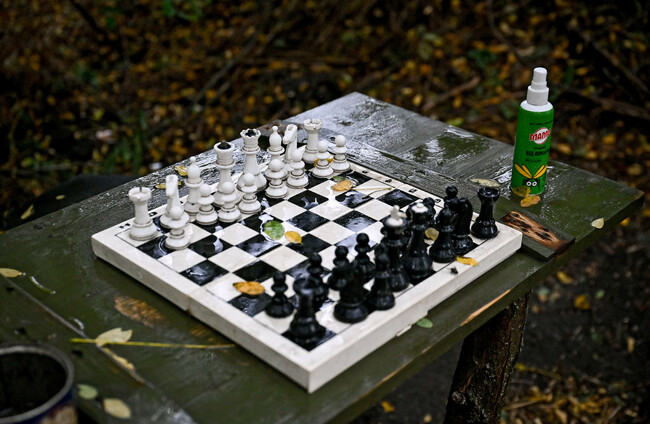
TRANSGENDER CHESS PLAYERS will not be permitted to compete in women’s tournaments under temporary new rules to be introduced from Monday by the International Chess Federation (FIDE).
“In the case of a gender transition from male to female, the player is not entitled to take part in women’s events until a new decision is taken by FIDE,” said the Lausanne-based organisation in a statement.
This decision will be taken “within two years”, according to the same source.
FIDE stressed, however, that there are “no restrictions on playing in the open section for a person who has changed gender”.
The measures do not apply to transgender men competing in the open category, but they will be stripped of any women’s titles they won before their transition, according to the temporary rules.
The open category is open to men, women and juniors. At the moment, the top 100 ranked players in the open category are male.
According to FIDE, gender reassignment “has a significant impact on a player’s status and future eligibility for tournaments”, without providing any further details about the reasons for this.
The announcement drew criticism from transgender players.
“I don’t think I’m smarter than most cis women, nor do I think that my pre-transition years have given me an innate advantage at chess,” said transgender journalist and chess player Ana Valens in an article published on The Mary Sue website.
In the world of sport, the International Cycling Union (UCI), World Athletics and the International Swimming Federation have also taken steps to exclude transgender athletes from women’s competitions.
© Agence France-Presse
Clarification: The headline on this article was amended to reflect the ban did not affect the ‘open’ category, rather than a ‘men’s category’. The difference between an open category and a men’s category is then further explained in the article text.

To embed this post, copy the code below on your site













have your say