Sign in. It’s quick, free and it’s up to you.
An account is an optional way to support the work we do. Find out more.
Sign in. It’s quick, free and it’s up to you.
An account is an optional way to support the work we do. Find out more.
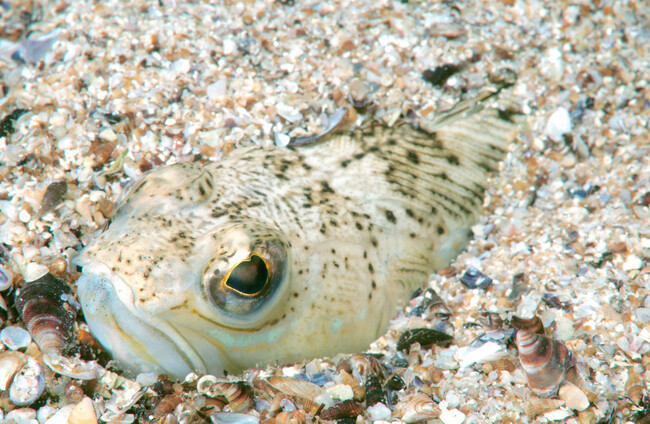
WITH THE WEATHER getting warmer and more and more people flocking to the beach, bathers are being warned about a venomous fish that may be lurking in the sand.
The weever fish buries itself in sandy areas of shallow waters and can give a nasty surprise to anyone who comes across its path.
Lola O’Sullivan of the Tramore Surf Life Saving Club in Waterford said the small creature packs a powerful punch that can leave people in pain for several hours.
“Like all water animals they have to protect themselves and when we’re walking out into the water – be it surfing or swimming – they see us as a large predator.
“They’ll flick their dorsal fin, normally it’s into the foot area. It’s excruciatingly painful and it’s quite venomous,” O’Sullivan told RTÉ Radio 1′s Morning Ireland.
The pain can last two hours, or even longer, but the peak of the pain is in the first two hours
The painful sting can cause anaphylactic shock or an allergic reaction for some, and sufferers may require antihistamines.
Common descriptions from victims are “extremely painful” and “much worse than a wasp sting”. Symptoms include severe pain, itching, swelling, heat, redness, numbness, tingling and nausea.
Bathers who fall victim to the fish are advised to consult a lifeguard and immerse their foot in hot water of approximately 40 degrees celsius, which breaks down the venom.
Weevers only lurk in shallow water, so to avoid the fish people are advised to swim at high-tide or to wear wetsuit boots when going in the sea.

To embed this post, copy the code below on your site














have your say