Sign in. It’s quick, free and it’s up to you.
An account is an optional way to support the work we do. Find out more.
Sign in. It’s quick, free and it’s up to you.
An account is an optional way to support the work we do. Find out more.
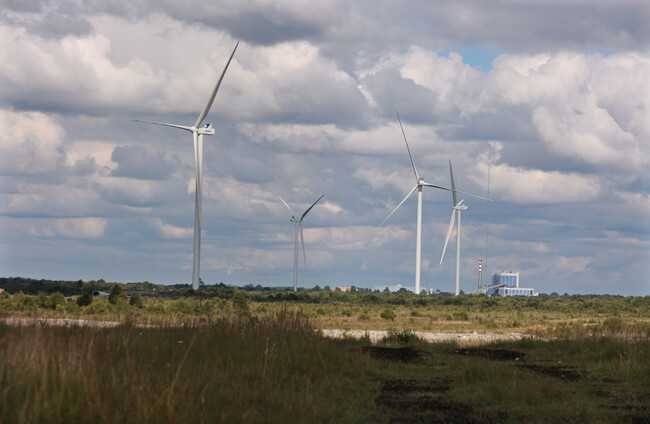
THE AMOUNT OF wind power generated in Ireland in the early hours of yesterday morning exceeded the total electricity demand on the grid for the first time throughout the entire island.
Some of that wind power was exported to Britain, meaning a proportion of Ireland’s energy needs was still met using other sources such as fossil fuels.
Nonetheless, the example of Ireland’s capacity to generate wind power is a “major achievement” for wind farms, according to Wind Energy Ireland (WEI).
EirGrid tracks detailed information about supplies feeding into and demands on the national energy grid.
Yesterday, between approximately 1am and 3.45am, wind generation inched above total electricity demand, reaching a high of 3,642 MW compared to 3,558 MW respectively.
At the same time, more than 900MW of energy was being exported from Ireland to Great Britain. By comparison, from around 8am and for the remainder of the day, Ireland was importing energy from Britain.

The energy was exported because the grid is currently only permitted to have a maximum of 75% of its fuel mix come from variable renewable energy sources like wind and solar.
That limit has been increased in phases from 50% to 75% since 2011, with an aim to expand it out to 95% by 2030.
Wind speeds picked up around the country yesterday and today ahead of Storm Agnes, but even without storm conditions, it is certainly not unheard of for wind generation to reach more than 3,000 MW. What was unusual about yesterday’s occurrence was for that generation to surpass the demands on the electricity grid.
In a statement to The Journal, Wind Energy Ireland’s Director of External Affairs Justin Moran said the wind generation figures represent a “major achievement for Ireland’s wind farms”.
“It shows the potential we have to decarbonise our electricity system if we can build on our existing supply and connect new wind farms, on and offshore, and solar power,” Moran said.
“We can’t do this, however, if we can’t get projects out of the planning system and this week marks a full year since An Bord Pleanála last approved an onshore wind farm application.
“Dozens of wind farms are stuck in the planning system and we need to get them approved so that we can start to match Ireland’s electricity demand much more frequently.”

To embed this post, copy the code below on your site















have your say