We need your help now

Support from readers like you keeps The Journal open.

You are visiting us because we have something you value. Independent, unbiased news that tells the truth. Advertising revenue goes some way to support our mission, but this year it has not been enough.

If you've seen value in our reporting, please contribute what you can, so we can continue to produce accurate and meaningful journalism. For everyone who needs it.

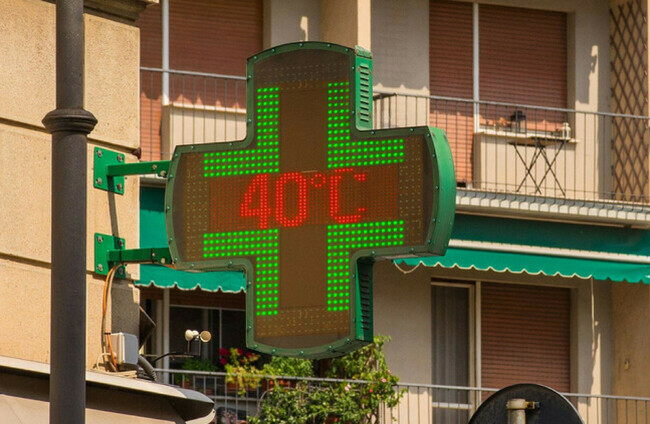
The years between 2015 and 2025 will individually have been the warmest since observations began 176 years ago Alamy

2025 to be among top three warmest years on record, UN warns

While this year will not surpass 2024 as the hottest ever recorded, it will rank second or third.

AN ALARMING STREAK of exceptional temperatures is continuing, with 2025 set to be among the hottest years ever recorded, the United Nations today said.

However, the UN insisted that the trend could still be reversed.

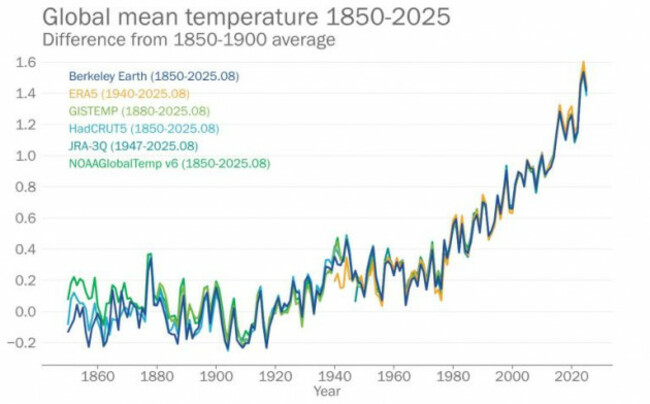
While this year will not surpass 2024 as the hottest ever recorded, it will rank second or third, the UN’s weather and climate agency said, capping more than a decade of unprecedented heat.

Global_temperature Graph mapping rising mean temperatures World Meteorological Organization World Meteorological Organization

Meanwhile concentrations of greenhouse gases grew to new record highs, locking in more heat for the future, the World Meteorological Organization warned in a report released ahead of next week’s COP30 UN climate summit in Brazil.

Together, the developments make “it clear that it will be virtually impossible to limit global warming to 1.5C in the next few years without temporarily overshooting this target,” WMO chief Celeste Saulo said in a statement.

The 2015 Paris climate accords aimed to limit global warming to well below two degrees Celsius above pre-industrial levels – and to 1.5C if possible.

Saulo insisted that while the situation was dire, “the science is equally clear that it’s still entirely possible and essential to bring temperatures back down to 1.5C by the end of the century”.

‘We must act now’

UN chief Antonio Guterres emphasised what was at stake.

“Each year above 1.5 degrees will hammer economies, deepen inequalities and inflict irreversible damage,” he said in the report.

“We must act now, at great speed and scale, to make the overshoot as small, as short, and as safe as possible – and bring temperatures back below 1.5C before the end of the century.”

But the world remains far off track.

Already, the years between 2015 and 2025 will individually have been the warmest since observations began 176 years ago, WMO said.

And 2023, 2024 and 2025 figure at the very top of that ranking.

In today’s report, the WMO said that the mean near-surface temperature – about two metres (six feet) above the ground – during the first eight months of this year stood at 1.42C above the pre-industrial average.

At the same time, concentrations of heat-trapping greenhouse gases in the atmosphere and ocean heat content continued to rise this year, up from 2024′s already record levels, it found.

In its annual report on Tuesday, the UN Environment Programme also confirmed that fresh emissions of greenhouse gases increased by a further 2.3% last year, an increase driven by India followed by China, Russia and Indonesia.

‘Urgent action’

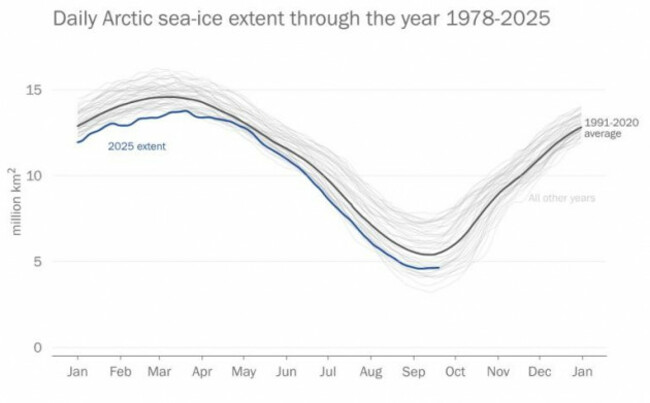
The WMO said the impact of temperature rises can be seen in the Arctic sea ice extent, which after the winter freeze this year was the lowest ever recorded.

Arctic_daily_sea_ice World Meteorological Organization World Meteorological Organization

The Antarctic sea ice extent meanwhile tracked well below average throughout the year, it said.

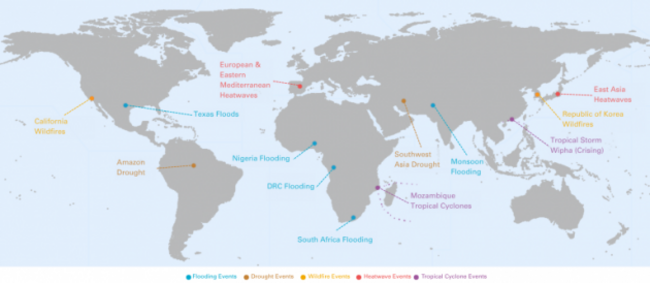
The UN agency also highlighted numerous weather and climate-related extreme events during the first eight months of 2025, from devastating flooding to brutal heat and wildfires, with “cascading impacts on lives, livelihoods and food systems”.

In this context, the WMO hailed “significant advances” in multi-hazard early warning systems, which it stressed were “more crucial than ever”.

Simplified extremes map Throughout 2025, extreme events caused massive economic and social upheaval and loss of life. World Meteorological Organization World Meteorological Organization

Since 2015, it said, the number of countries reporting such systems had more than doubled, from 56 to 119.

It hailed in particular progress among the world’s least developed countries and small island developing states, which showed a five-percent hike in access in the past year alone.

However, it lamented that 40% of the world’s countries still no such early warning systems.

“Urgent action is needed to close these remaining gaps,” it said.

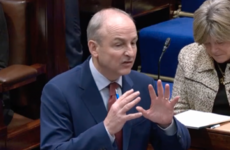
Taoiseach Micheál Martin is tell COP30 he is “concerned that the spirit of common purpose is weakening” in the fight against climate change.

“Our attention is being drawn to other threats and crises that can seem more pressing.

“Geopolitical turbulence. Economic pressure. Conflict and dislocation. All have been presented as reasons to ease or delay action,” he will say.

“But increasingly, the challenges we face arise because of climate change, and this will worsen with time.”

He will note that some world leaders won’t attend COP30, but political leadership on climate change has “never been more vital”.

Author
View 45 comments
Close
45 Comments
This is YOUR comments community. Stay civil, stay constructive, stay on topic. Please familiarise yourself with our comments policy here before taking part.
Leave a Comment
    Submit a report
    Please help us understand how this comment violates our community guidelines.
    Thank you for the feedback
    Your feedback has been sent to our team for review.

    Leave a commentcancel

     
    JournalTv
    News in 60 seconds