Sign in. It’s quick, free and it’s up to you.
An account is an optional way to support the work we do. Find out more.
Sign in. It’s quick, free and it’s up to you.
An account is an optional way to support the work we do. Find out more.
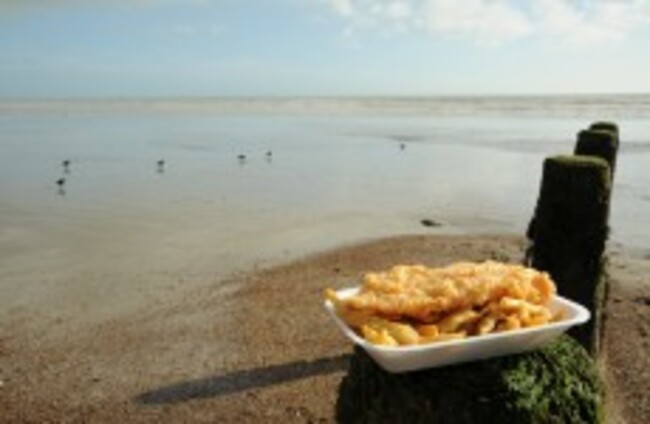
CHIP SHOP FAVOURITES such as haddock, sole and plaice could become less common on Irish menus as seas get warmer.
That is according to a study published this afternoon in Nature Climate Change and authored by a team including Professor Mark Johnson of the Ryan Institute at NUI Galway.
They found that in the last 40 years the North Sea has warmed four times faster than the global average and further warming is predicted over the coming century.
That will impact on fish distributions, as some species can only thrive in certain habitats, temperatures and depths. The research developed models that combining long-term fisheries datasets and climate model projections to predict the abundance and distribution of consumers’ favourite fish over the next 50 years.
They warn that as the North Sea warms, species appear to choose habitat of a suitable depth over the benefits of moving to cooler waters. Due to higher temperatures in the future, many of the species studied are may reduce in relative abundance.
“This will mean that populations will be living at higher temperatures, with the effect of this depending on how well species can cope with the warmer temperatures”, explained Professor Johnson.
Dr Steve Simpson, senior lecturer in Marine Biology & Global Change at the University of Exeter, said the findings are important for both consumers and the fishing industry.
“For sustainable fisheries, we need to move on from haddock and chips and look to Southern Europe for our gastronomic inspiration.”

To embed this post, copy the code below on your site













have your say