Sign in. It’s quick, free and it’s up to you.
An account is an optional way to support the work we do. Find out more.
Sign in. It’s quick, free and it’s up to you.
An account is an optional way to support the work we do. Find out more.
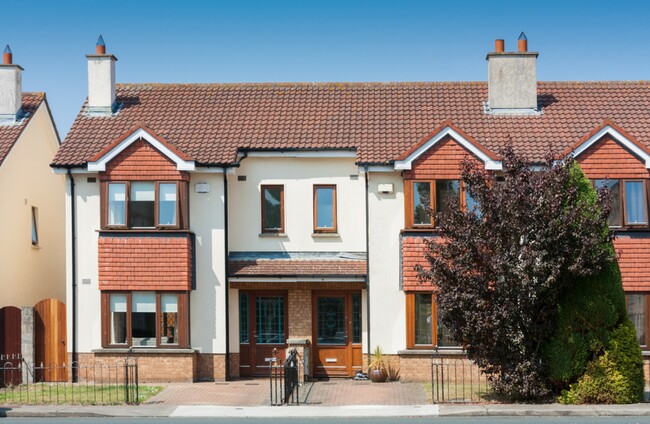
IF TRENDS CONTINUE, national property prices will rise by an average of 7% in 2017, with even higher price increases predicted for the Leinster region.
This is according to an annual review and outlook by the Society of Chartered Surveyors Ireland (SCSI), who commissioned a study into the views of Irish property experts.
Some of the review’s main findings were:
The review hints that all properties in the Leinster region, excluding Dublin, will see the greatest price increase: with +11% projected for one- and two-bed apartments and a rise of 10.6% forecast for three-bed semis. By comparison, the price of a three-bed semi, which is the most popular house type, is predicted to rise by an average of 9.4% nationally.
The survey predicts that residential rents will rise on average by between 8-10% outside of the rent control areas of the Dublin region and Cork City Council area.

Ronan O’Hara, chair of the SCSI’s Residential Agency Group said the lack of supply, public policy and projected economic growth may continue to inflate house prices.
He says that while the proposals to extend the designated pressure zones to 20 more towns might be well intentioned, they were also short sighted.
“In our survey the introduction of permanent rent control measures was ranked as the highest negative measure that will impact upon the supply in the rental market. If this goes ahead it will discourage landlord investment in the rental market.
He says that landlords would then exit the market and owner-occupiers would probably purchase them. That might be good news for them but not for those renting as rents will continue to rise: “the Government may be putting out one fire, but they are simply starting another”.
Cause for concern
According to the report the estimated figure for new builds at the end of 2016 will be 14,800. This figure falls significantly short of the 20,000-30,000 required.
O’Hara said that while demand for housing is greatest in Dublin, the fact that commencements outside the capital are running three times higher is a concern.
In 2016 there was a 27% increase in planning permissions in Dublin, the lowest increase in all four regions: the figure in Munster was 42%.
“While these figures may look impressive, they are coming off a very low base. By right Dublin should be taking the lead here but it isn’t. The number of commencement notices is even worse. In the ten months to October 2016 there was an 8% increase in commencements in Dublin. The figure for Munster was 44%.”
Over 380 estate agents and chartered surveyors took part in the survey in late November/early December. Future Analytics Consulting was commissioned by the SCSI to carry out the research independently.
The SCSI’s Annual Residential Property Review and Outlook Report 2017 is available at www.scsi.ie.

To embed this post, copy the code below on your site






have your say