Sign in. It’s quick, free and it’s up to you.
An account is an optional way to support the work we do. Find out more.
Sign in. It’s quick, free and it’s up to you.
An account is an optional way to support the work we do. Find out more.

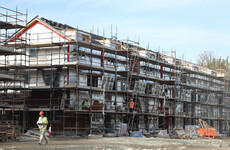
THERE ARE APPROXIMATELY 300 vacant sites identified by Dublin City Council that have not been developed on.
Yesterday, a report by the government’s advisory body the Housing Agency, stated that Dublin was in dire need of 37,581 units, about 47 per cent of the total housing units needed in Ireland.
A mere 8,488 housing completions nationally in 2012 compared to 93,419 in 2006 which was the peak year of housing construction activity.
On undeveloped sites, the council say they have planning permission on:
Decisions are pending at St.Teresa’s Gardens and Dolphin Estate and Park is about to go to planning.
Audit
According to the council an audit is currently underway of all vacant land on the books. Currently they are at the stage of clarifying the status and category of each site.
Once they have verified what each site is, a GIS map will be produced, they said.
Last year, a hoarding tax was proposed by Dublin City Councillor Paul McAuliffe, which would see the owners of sites with wooden hoardings, previously used to fence off the area during construction, face a “financial penalty” if they were not replaced by a steel fence or stone wall.
He said it could raise €1.2 million towards unpaid development levies.
Levy on developers
Dublin’s Lord Mayor Oisín Quinn welcomed the government’s proposal of imposing a harsh levy on developers who don’t build on prime sites, with the mayor actually setting up a task force on the issue last summer.
It’s understood the ‘levy’ proposal is being considered as part of a range of measures aimed at increasing housing supply in the country.
A spokesperson for building industry body the CIF said that while the overall plan aimed at boosting supply of homes was to be welcomed, the imposition of a levy on developers would only serve to provide another “barrier to building” and would ultimately push up prices for house purchasers.
However, while many sites in Dublin and the around the country are in private ownership, some are owned by the council – meaning they could be classed as the developer for the site, therefore, incurring the penalty.
Speaking about the 300 sites identified, a spokesperson for the council said:
The vast majority of sites are in private ownership.
When asked whether the council, just like developers would be liable for leaving sites idle and undeveloped, the council stated:
It is not possible to comment on any levy pending publication of the details.

To embed this post, copy the code below on your site












have your say