Sign in. It’s quick, free and it’s up to you.
An account is an optional way to support the work we do. Find out more.
Sign in. It’s quick, free and it’s up to you.
An account is an optional way to support the work we do. Find out more.
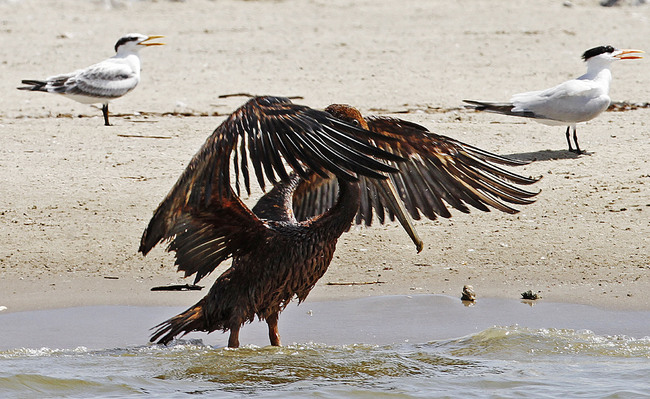
BP HAS CONFIRMED that the Longford-manufactured containment cap lowered five kilometres below sea level of the Gulf of Mexico oil leak has managed to completely halt the flow of oil coming from the spill.
By shutting off some valves on the cap bolted to the piping surrounding the oil spill yesterday, the oil company was able to totally stop any oil flow into the sea – for the first time in almost three months.
The process is not over, however – BP is conducting stress tests on the well for the next 48 hours, mindful that the significant pressure shift in the underground Macondo will could result in another leak springing elsewhere.
If the well holds up, BP will release the pressure on the well and run seismic checks before sealing the valves for good.
Although the cap is not considered a permanent solution to the oil leak, it does mean that BP can still totally halt the flow of oil should its efforts to seal the leak for good be interrupted by any tropical storms.
President Barack Obama called the seal’s success “a positive sign”, but added: “We’re still in the testing phase.”
The oil spill had been ongoing for over twelve weeks and had seen between 35,000-60,000 barrels of oil leaked into the sea on a daily basis.
BP’s share price in New York rose on the news of the success of the valve, closing at $38.92 (up over 7%) yesterday, though still a long way off the $60.48 recorded when the Deepwater Horizon explosion took place.

To embed this post, copy the code below on your site















have your say