Sign in. It’s quick, free and it’s up to you.
An account is an optional way to support the work we do. Find out more.
Sign in. It’s quick, free and it’s up to you.
An account is an optional way to support the work we do. Find out more.
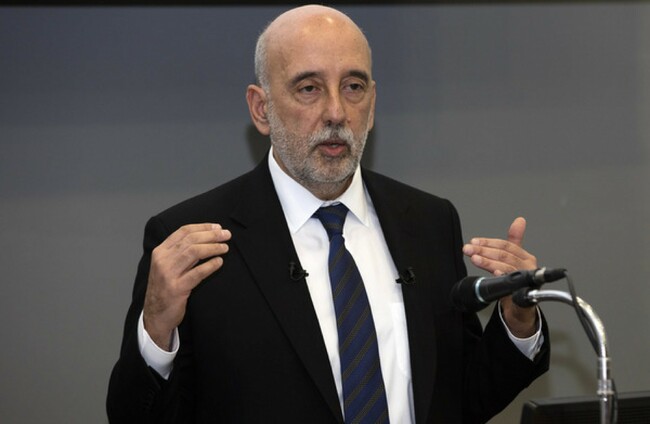
CENTRAL BANK GOVERNOR Gabriel Makhlouf has said the regulator “made clear” to banks its expectations for transparency about mortgage breaks offered to people during the Covid-19 crisis.
The break sees qualifying customers whose earnings have been affected by the Covid-19 pandemic receive a break on loan repayments.
Tánaiste Leo Varadkar said this week that if it transpires the banks are making a profit from this break, he would view it as a “serious scandal”.
Varadkar added yesterday that he doesn’t “fully trust” the banks not to try to profit during the Covid-19 crisis.
Makhlouf, speaking today on RTÉ radio’s This Week, said mortgage breaks were a “voluntary scheme designed by the banks”.
“We made clear to them [the banks] that we expected certain things to apply in particular that they were transparent with their customers as to the implications of this, but the focus right now is what will happen in the future with these payment breaks,” he said.
“The longer we go on, the less sustainable a payment break is. So we’re very focused on finding out from the banks what are their plans.”
Sinn Féin TD Pearse Doherty raised the issue of the banks charging interest on mortgages that have availed of pandemic payment breaks.
Gabriel Makhlouf said: “The decision, at the end of the day, whether or not to charge interest is a commercial one for them to make in the context of their operations.”
The governor said the government in its July stimulus should focus on “protecting the productive capacity of the economy” through flexible measures.
“We want to make sure that policy avoids what economists call ‘scarring effects’, long term unemployment, viable businesses failing,” he said.
Makhlouf said that another mortgage arrears crisis is “absolutely what we want to avoid”.
At the moment, the banks are at a much more resilient position than they were going into the previous crisis.
“But they, like us, I mean their resilience is not unlimited, and they like us are living with the uncertainty that that we’re facing,” he added.

To embed this post, copy the code below on your site













have your say