Sign in. It’s quick, free and it’s up to you.
An account is an optional way to support the work we do. Find out more.
Sign in. It’s quick, free and it’s up to you.
An account is an optional way to support the work we do. Find out more.
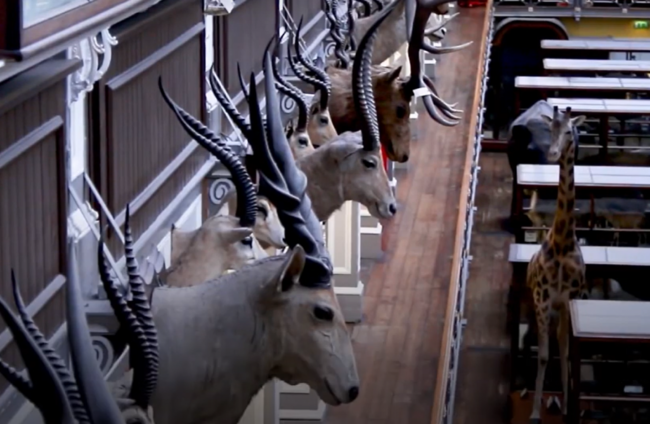
A SHORT FEW weeks after reopening, the Natural History Museum is completely booked up.
The Merrion Square building, which is more than 160 years old, was closed in 2020 to allow for a major refurbishment, with much needed structural improvements taking place.
Also known as the ‘Dead Zoo’, its ground floor reopened a little over a fortnight ago while works continue on the first floor.
Now, unless you get lucky with a cancellation, you’ll likely need to wait until next month if you’re hoping to catch a glimpse of the Great Irish Deer or delicate insect specimens.
That’s unless you get lucky with a cancellation as no bookings are available for the rest of August. It’s a sign the redevelopment work has paid off, according to museum director Lynn Scarff.
“It’s wonderful to have the visitors back in the space again. I think all museums are made by the visitors engaging with the collections that we have so it’s been great to see people getting an opportunity to do that on the ground floor.
“Our natural history team spent almost a year carefully packing and moving over twenty thousand specimens, including our whale skeletons, from the upper galleries and first floor, so they would be safe while the building phase of the work took place.”
Temporary scaffolding designed to stop falling objects has been inserted on the first floor as investigative works take place on the building’s roof by the Office of Public Works.
Scarff said it is anticipated the museum will close again to facilitate wider building works but she hopes to be able to open a “contemporary Dead Zoo exhibition” with the wider National Museum of Ireland so that “people can still engage with the collection”.
Many of those visiting this month have been children who are enthusiastic about the history, artifacts and geology, and find it a Mecca for their interests.
“Sometimes they know more than we do, because they’re they’re really passionate about it and it’s their special interest. So it’s a very special place for them to come visit and then we have some incredible people working here as they come too,” Scarrf said.
Those people were highlighted in an RTÉ film broadcast to mark the completion of the ground floor works.
Documentary director Paul Duane showed the works museum personnel had to deal with, ranging from dismantling the whale attached to the roof of the building, to the moving of valuable jellyfish artifacts before they became damaged.
Scarff said the film was a tribute to the eager and passionate people working there, with Paulo Viscardi the stressed curator undertaking the shifting of those priceless jellyfish.
“He lives breathes and sleeps the Dead Zoo,” Scarff said. “He’s an example of, I suppose, all of the kinds of curators that we have within the museum who are just absolutely passionate about what they do.”

To embed this post, copy the code below on your site











have your say