Sign in. It’s quick, free and it’s up to you.
An account is an optional way to support the work we do. Find out more.
Sign in. It’s quick, free and it’s up to you.
An account is an optional way to support the work we do. Find out more.
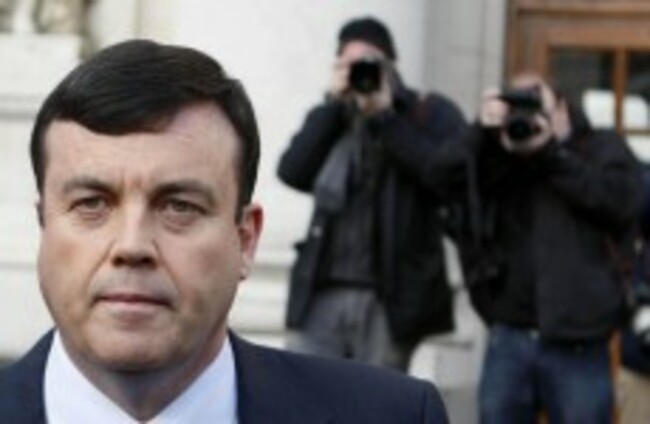
FINANCE MINISTER BRIAN LENIHAN has told an influential TV station he is confident he will be able to engineer December’s Budget so as to avoid any need for Ireland to seek a bailout from overseas.
Lenihan told Bloomberg television that every single area of expenditure was being looked at, but insisted that the country remains fully funded until the middle of next year and can handle the final cost of the banking bailout.
“We have already reduced public service pay by nearly 14 per cent on average… Likewise, we’ve looked at our welfare bill, at our pensions bill. All of these areas will have to be looked at. They’re on the table,” Lenihan told Margaret Brennan.
“We had a big property bubble and that had a big impact on the economy,” he added, explaining how the banks had become such a massive burden on the economy so quickly.
A Department of Finance spokesperson later explained that the Minister was referring to the ‘medium and long-term cost’ of pensions, which had cost the government just over €9bn this year for public sector workers.
Lenihan’s comments came on the same day that a public opinion poll showed that more people had confidence in the European Central Bank or International Monetary Fund to solve the country’s economic woes than any of Ireland’s current finance spokespersons.
The Irish Times reports that some of the new measures relating to welfare and pension payments could include adjustments on how pensions are treated for tax. Tax allowances against pensions, it says, could be one option.
It adds that one UCD economist, Joe Durkan, will this morning tell an ESRI conference that the current system of operating multiple VAT levels for different products – with food and children’s shoes being VAT exempt, for example, while most goods are taxed at 21% – may not be as effective as first thought.
The comment raises the possibility of a uniform VAT rate – or at least a consolidation of the four current VAT bands – being introduced in December’s Budget.

To embed this post, copy the code below on your site














have your say