Sign in. It’s quick, free and it’s up to you.
An account is an optional way to support the work we do. Find out more.
Sign in. It’s quick, free and it’s up to you.
An account is an optional way to support the work we do. Find out more.
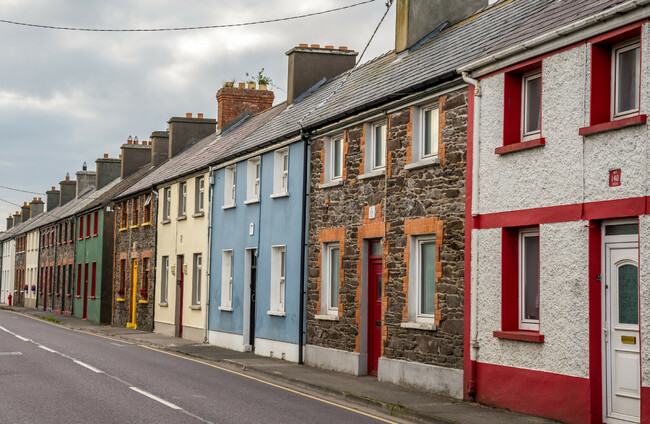
THIS YEAR WILL see house prices continue to rise, estate agency business DNG has forecast.
Its National Price Gauge found that the average price of a second-hand home in Dublin stood at €531,773 in 2023, up 1.8% on the year previous but still below the 2006 peak.
Nationally, excluding Dublin, the average price stood at €264,772, up 4.3%.
The report also found that price growth was strongest in the mid-west (5.4%), west (4.7%), and border (4.6%) regions.
Commenting in the report, the company’s director of research Paul Murgatroyd pointed toward “demographic trends, the prospect of falling interest rates and a solid economic backdrop” as factors that will continue to push up house prices.
DNG predicts that prices will continue to rise by 4% outside of Dublin, with “low single digits” expected in the capital.
“Stronger than anticipated price growth in the latter part of last year meant that the annual rate of house price inflation remained in positive territory for 2023,” DNG’s chief executive Keith Lowe said, but added that the rate of growth was “moderate and more sustainable than the market has seen in recent years”.
Most (56%) buyers in the second-hand market were first-time buyers, and the majority (69%) of buyers relied on mortgage finance.
It also warns that supply will likely continue to fall below the 35,000 units required per year, a figure that looks set to come in around 32,000 in 2023. Tánaiste Micheál Martin told reporters recently that this figure could increase to 40,000 “within a number of years”.
Yesterday, the latest Daft.ie House Price Report found that the number of homes available to buy nationwide on 1 December 2023 stood at just over 11,100 and also noted a continued increase in house prices.
It comes amid a backdrop of a record-breaking number of people homeless.
The latest available figures found that 13,179 people were accessing emergency accommodation in October, including a record number of children.

To embed this post, copy the code below on your site













have your say