Sign in. It’s quick, free and it’s up to you.
An account is an optional way to support the work we do. Find out more.
Sign in. It’s quick, free and it’s up to you.
An account is an optional way to support the work we do. Find out more.
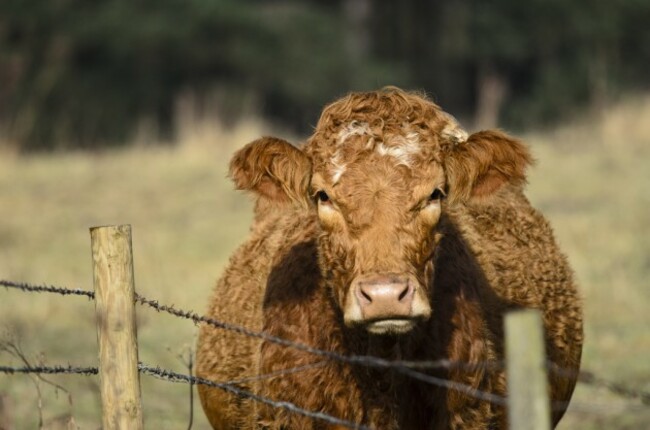
OVER THE WEEKEND, TheJournal.ie looked at where Ireland’s meat imports came from following a European Parliament vote for better country-of-origin labelling for meats in processed foods.
While the vast majority arrives from within the EU, a large share comes from further afield with the bulk of that portion landing from Asia and South America.
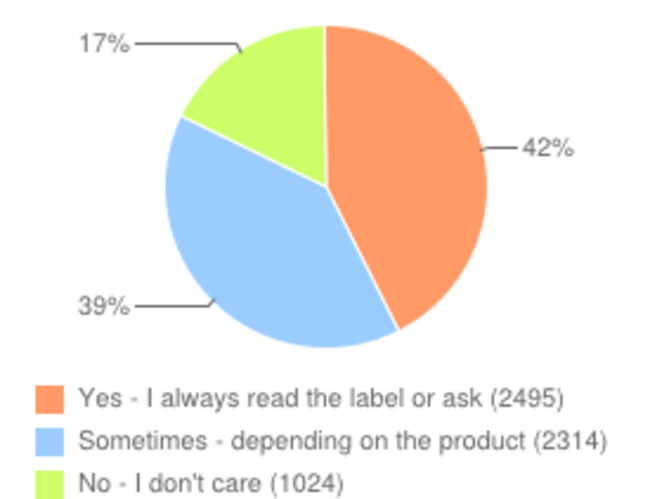
We also asked if readers checked where the meat they ate came from – and the majority of those who responded said they did:
Last year a survey from lobby group Love Irish Food said 95% of local shoppers wanted country-of-origin labels on their groceries and drinks.
Meanwhile, a 2013 European Commission report into mandatory country-of-origin labelling for meats in processed foods also said there was strong support for the regulation, but this quickly tapered off when shoppers were faced with higher prices.
It said the change would probably increase costs to meat manufacturers by between 15 and 20%. Most of this was expected to be passed on to consumers, although the increase would make up a much smaller share of grocery prices for items which included many other components.
With all that in mind, we want to know: Would you pay extra to know where your food comes from?
This month, as part of TheJournal.ie’s ongoing small and medium enterprise (SME) focus, we look at product provenance – how buying local matters and the importance of traceability.
To view previous articles in our SME series click HERE.

To embed this post, copy the code below on your site








have your say