Sign in. It’s quick, free and it’s up to you.
An account is an optional way to support the work we do. Find out more.
Sign in. It’s quick, free and it’s up to you.
An account is an optional way to support the work we do. Find out more.
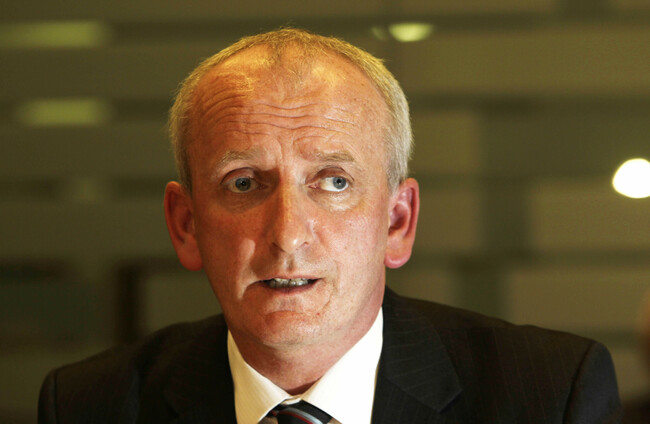
HSE CHIEF EXECUTIVE Bernard Gloster has said that the health service will not have enough funding next year based on this year’s operating costs.
€22.5 billion has been allocated for the public health system as part of Budget 2024.
Speaking on RTÉ’s This Week radio programme following the publication of the Government’s budget last week, Gloster said “the simple reality” is that the funding allocated to the health system is “not adequate”.
“Make no mistake about it, our service plan for 2024 that we will put forward to the minister will include a built in deficits, which is the first time in my memory of service plans that will be the case,” he said.
That deficit this year is expected to be around €1.5 billion, he said, adding that the Department of Health has estimated there will be roughly another €1.2 billion on top of that next year.
“So you can see those figures are quite substantial in the order of between €2.4 and €2.7 billion is essentially what would be required when you take the 2023 deficit and 2024 cost of running that,” Gloster said.
“All of that €1.5 billion cost will be brought forward and repeated again next year so that cost will still be there and we will have to pay those bills.”
Gloster stressed that two key areas, urgent care access in emergency departments and scheduled care access on waiting lists, would not be affected by the lack of funds.
“Both of those are heavily funded and I intend to continue to pursue the improvements on those.”
This week, the HSE announced an extension of its recruitment freeze until the end of this year, including frontline workers like junior doctors and healthcare assistants.
“I simply can’t hire more people than I am funded to do. We have record numbers of people working in the health service.”
The situation for patients on waiting lists had been made more difficult by large and unforeseen numbers of people being put on them this year. However, he said progress had been made in reducing the numbers.
“Some 80,000 more people came on to the list than we planned for this year but equally we took off more than 70,000 people more than we were targeted for this year.
“So, we have shown enormous efficiency, productivity and creativity in our responses to waiting lists.”

To embed this post, copy the code below on your site
















have your say