Sign in. It’s quick, free and it’s up to you.
An account is an optional way to support the work we do. Find out more.
Sign in. It’s quick, free and it’s up to you.
An account is an optional way to support the work we do. Find out more.
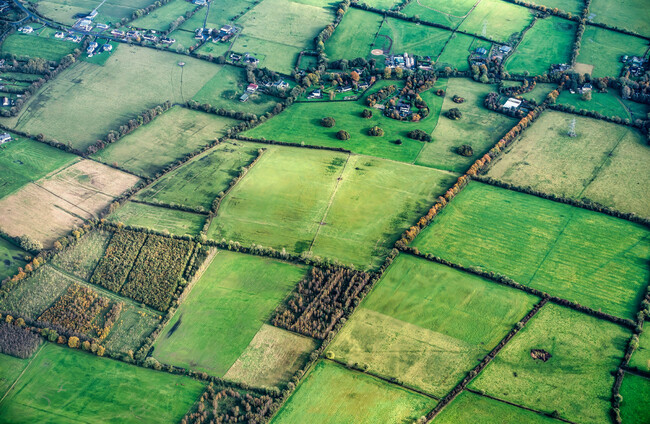
THE COST OF farmland increased across the country last year according to fresh analysis published by the Irish Farmers Journal.
It found an increase of 5% was recorded in the price of land in the Republic of Ireland to average €12,515/ac, an increase of €590/ac from €11,925/ac in 2023.
The survey found a “huge variation” in the range of prices for last year.
Dublin had the highest land prices where the average cost was €25,490 per acre followed by counties Wexford, Meath, Louth and Laois.
It contrasted with the lowest average land price last year was in Co Leitrim at €6,419 per acre, followed by Mayo and Donegal.
The biggest increase in price was in Co Meath, where the average rose to €17,669 per acre from €14,321.
Derelict houses can now add €100,000 or more to land sales, depending on how strict the local county council is on planning.
Among the report’s other findings are that prices fell from recent highs in counties Cork, Donegal, Kilkenny, Tipperary and Wicklow, where dairy farming is usually the driving factor behind purchases.
Farmland prices in Northern Ireland continue to be significantly higher than the Republic, with prices rising by 6.8% last year to average £14,736 per acre (€17,406). The highest price was Co Armagh, followed by counties Down, Tyrone and Antrim.
The report said that farmer confidence was impacted by an “extraordinarily wet winter and spring” but improved conditions by autumn affected led to a “bullish” feeling by year end.
In Dublin, 20 parcels of land currently in use for farming, and not zoned for housing, were placed on the market in 2024 and half
had sold by year end.
Land in the north of the county fetches the highest prices and is usually bought by business people or by intensive farmers, often involved in vegetable, horticultural or tillage production according to the report.
“Full-time farmers can compete” for hill and mountain land in the south of the county where prices are lower.
However, the figures show that Dublin’s farmland market had cooled considerably having fallen by 30 percent compared to 2023. “It still leaves the county with the dearest farmland in the country, by a distance,” analysis by Paul Mooney of the Irish Farmers Journal said.

To embed this post, copy the code below on your site




have your say