Sign in. It’s quick, free and it’s up to you.
An account is an optional way to support the work we do. Find out more.
Sign in. It’s quick, free and it’s up to you.
An account is an optional way to support the work we do. Find out more.
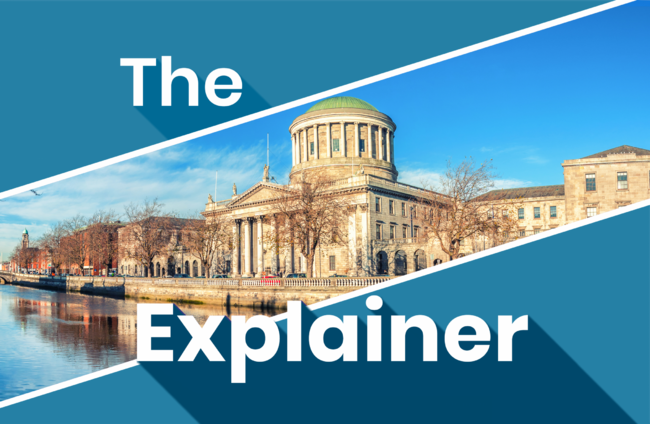
THE WHEELS OF the busy Irish justice system turn every day, processing the headline-grabbing cases of the Central Criminal Courts or the smaller, everyday cases of Circuit and District Courts.
Except in the case of the Special Criminal Court, a jury decides on the verdict but it is down to judges to come up with a sentence for anyone convicted of a crime.
The public’s reaction to those sentences can vary – depending on the case, be it too lenient or too harsh – and that often results in political pressure. We see new Taoiseach Simon Harris for instance and others in Fine Gael promising something of return to the party’s law and order roots in recent weeks.
This week we’re joined by Paul McCutcheon, a professor of Law at the University of Limerick to examine how exactly sentencing works. What factors do judges take into account? What guidance do they rely on? And how is that some judges deliver sentences that look very different to those of their peers?
https://soundcloud.com/the-explainer-podcast/how-does-sentencing-work-in-ireland/s-NJpZrCGg0Kp?si=c71e00410f114d6c8d7c4087246d1d24&utm_source=clipboard&utm_medium=text&utm_campaign=social_sharing
This episode was put together by presenter Laura Byrne, executive producer Sinéad O’Carroll and senior producer Nicky Ryan.

To embed this post, copy the code below on your site













have your say