Sign in. It’s quick, free and it’s up to you.
An account is an optional way to support the work we do. Find out more.
Sign in. It’s quick, free and it’s up to you.
An account is an optional way to support the work we do. Find out more.
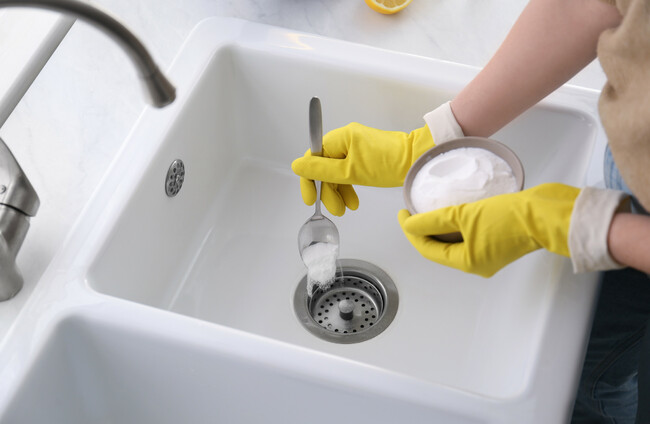
Few household tasks are more gross than unblocking a drain. Whether it’s the bathroom sink, the kitchen plughole, or the shower trap, this is the dreaded chore that everyone avoids, until it’s too late!
The accumulation of hair, grease, and other unpleasant debris can lead to slow drainage, bad smells, or even a fully blocked drain which can cause an unsanitary environment. But no judgement, it happens to everyone, especially if you have long hair. Fortunately, with a can do attitude, a structured approach and the right tools, even this stomach turning job can be completed quickly and efficiently. Here we walk you through getting the job done in a DIY, natural and chemical free way.
Failure to prepare is preparing to fail
The first step is to gather your supplies. Essential items include a sturdy pair of rubber gloves, preferably waterproof and long enough to protect your wrists. Next up, it is likely that you don’t have a drain snake or plumbing auger, so a straightened wire coat hanger will suffice if you don’t have a specialist tool. Bicarbonate of soda and white vinegar is a necessity and a kettle for boiling water. Finally a bucket, and an old towel or cloth will come in handy for keeping the area clean.
We’re going in
Before beginning, clear the surrounding area and don’t underestimate the mess that is on the cards – prepare yourself. Place the towel around the plughole to catch any splashback, and remove any standing water using a small container. It’s wise to be prepared for unpleasant odours at this stage, particularly if the clog has been developing for a while. How long can you hold your breath for?
Start with a natural cleaning method. Pour half a cup of bicarbonate of soda into the drain, followed by half a cup of vinegar. The mixture will fizz as it begins to break down mild blockages. Leave it to sit for 15 to 30 minutes, then flush the drain with a full kettle of boiling water. This approach works well for minor buildups and is safe for most domestic plumbing.
When all else fails
If the blockage remains, manual intervention will likely be required. Using your trusted bent coat hanger, insert into the drain and gently work it through the pipe. Rotate and pull as needed to extract hair, soap scum, toerings, Legos, and other grime. This step can be especially unpleasant—the material pulled from the drain is often slimy, dark, and foul-smelling. This job is not for the faint-hearted.
The pipes, the pipes are calling
In many bathroom sinks, the clog is located around the stopper. Remove it carefully (most unscrew or lift out) and clean it thoroughly before replacing. In kitchens, you may need to remove the P-trap—the curved section of pipe beneath the sink. Place a bucket underneath before unscrewing it to catch any residual water or sludge.
Once the blockage has been cleared, run hot water through the system for several minutes to rinse away any remaining debris. Reassemble all components securely and check for leaks.
A Utopian future of unclogged drains
To help prevent future clogs, consider fitting hair catchers in bathroom plugholes and avoid disposing of fats, oils, or food waste down kitchen drains. A monthly flush with bicarbonate of soda and vinegar can help to maintain a clear and odour-free system.
Unblocking a drain is undeniably one of the grossest domestic chores, but it’s also one of the most essential. With the right approach and a willingness to tackle the grime head-on, this necessary evil can be kept under control.
To embed this post, copy the code below on your site





have your say