Sign in. It’s quick, free and it’s up to you.
An account is an optional way to support the work we do. Find out more.
Sign in. It’s quick, free and it’s up to you.
An account is an optional way to support the work we do. Find out more.
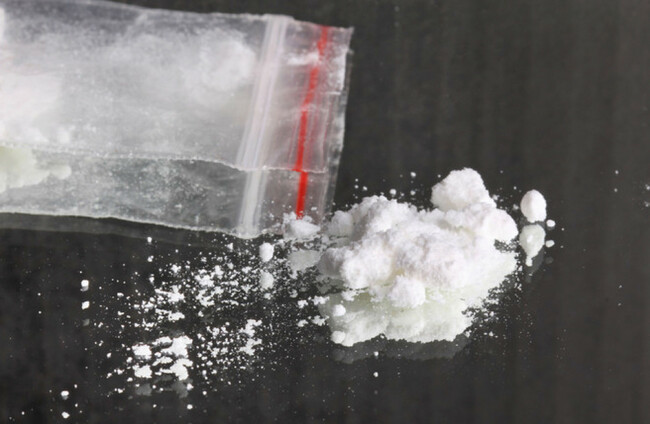
THERE HAS BEEN an increase in the number of people presenting to Coolmine Therapeutic Centres seeking rehabilitation services for cocaine usage, the group’s annual report revealed.
In total, 57% of all men who presented to the service last year were seeking treatment and support to combat their cocaine addiction.
This led to Coolmine establishing two cocaine-specific treatment centres in Dublin and in Cork due to the high number of people on waiting lists, the service said.
Coolmine’s report matches national statistics from research conducted by the Health Research Board, as there was a 25% increase in individual supports within their services compared to 2021.
A surge in the number of people presenting with cocaine addiction was paired with rising homelessness figures in the state, which Coolmine Chief Executive Pauline McKeown said led to the cohort being most affected.
“From Coolmine’s perspective, this surge in cocaine addiction represents a dangerous situation, especially for the most vulnerable individuals in society,” she said.
She added that “various factors contribute to this increase, including societal pressures, economic challenges, and evolving social dynamics”.
McKeown said Coolmine, similar to other organisations, are addressing these factors by expanding its specialised programmes and collaborating with other services to meet the growing demand for rehabilitation and treatment.
This collaboration began last year where the service to expanded its support to 382 homeless people who are now living in private emergency accommodation, with the HSE and Dublin Regional Homeless Executive.
Coolmine, in total, provided 2,362 individuals and their families with support in 2022. Of the 908 people who sought support from the service’s Dublin facility, Coolmine House, over 10% (93) of them were participants on the stabilisation and cocaine programmes.
Alan Connolly Coolmine Chairman said as the service enters its fiftieth year, it is aware of the increase in the number of people experiencing problematic substance use.
Last year, the service treated people in 15 facilities and 22 different satellite clinics.
The Drug Treatment Demand report from earlier this year found a 259% increase in the number of cases in the last seven years, in which a person was treated for drug-related issues and where cocaine was the main problem drug they used.
The report, published by the Health Research Board, found that there were 12,009 cases of addiction treatment in 2022.
Cocaine was reported as the most common problem drug in more than 4,000 of these cases, and was followed by opioids (mainly heroin), then cannabis and benzodiazepines.
This was the first time where cocaine had overtaken opioids as the most common drug used in Ireland.
In total, 45% of the 4,084 cases involving cocaine were cases where the person was receiving treatment for a cocaine addiction for the first time.
Also this year Dr Joe Harbison, a stroke doctor at St James’ Hospital Dublin and associate professor at Trinity College, told The Journal that the public is largely unaware of how much drug usage can increase the risk of a stroke.
This was after it was revealed that cocaine-induced strokes were on the rise.
Additional reporting by Jamie McCarron

To embed this post, copy the code below on your site














have your say