Sign in. It’s quick, free and it’s up to you.
An account is an optional way to support the work we do. Find out more.
Sign in. It’s quick, free and it’s up to you.
An account is an optional way to support the work we do. Find out more.
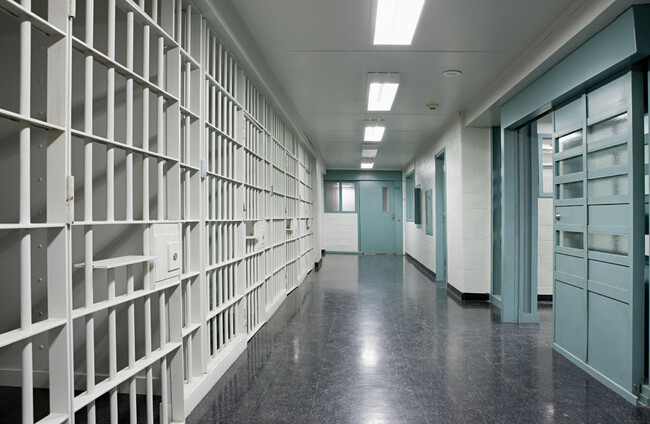
PRISONERS IN IRELAND are facing waits of nearly 900 days to access mental health supports.
The information is contained in the response to a Parliamentary Question from Sinn Féin’s mental health spokesperson Mark Ward.
Ward said “it is clear that prisoners are not getting the vital mental health supports that they need”.
The Irish Prison Psychology Service provides services to people in custody.
Psychologists in prisons treat a range of mental health issues including mood and anxiety disorders, stress related disorders, PTSD, eating disorders, and addiction.
Prisoners in the Training Unit, which is a low-security prison on the grounds of the Mountjoy, face an average waiting time of 893 days for a psychological appointment.
In the Midlands Prison, this wait is 645 days, while in Mountjoy prisoners face a wait of 610 days.
Prisoners in the women’s Dóchas Centre face the shortest average waiting time at 153 days.
Sinn Féin TD Mark Ward said this pointed to a “postcode lottery for treatment depending on which prison you are detained in”.
Last year, 2,259 people were referred to the Irish Prison Service Psychology Service.
Meanwhile, a recent report of the Dóchas Centre Chaplaincy Service and Prison Visiting Committee described the prison as a ‘dumping ground’ for mental illness.
The Dóchas Centre has also been without specialised rape crisis counselling since last summer.
It fell away with the retirement in August 2022 of the sole therapist providing the service at the Dóchas Centre, with efforts to hire a new practitioner failing.
Ward added that the “failure in getting timely mental health supports is in turn having a negative impact on the rates of reoffending”.
Ward said: “If a serious mental health difficulty such as acute psychosis is the root cause of an offence, then what hope is there for rehabilitation if the prisoner cannot access basic mental health services?
“The end result often leads to reoffending upon release, which also leads to an increase in victims.
“It is a vicious cycle which is being perpetuated by successive governments’ lack of investment and resource planning in both the Irish Prison Service and the mental health services in the wider community.”
Ward also called for any vacancies for psychologists in the prison service “to be filled as a matter of urgency”.
“For too long, the Irish justice system has been the gatekeeper for those experiencing mental health difficulties,” said Ward.
“If this Government is serious about helping prisoners and bringing down rates of re-offending, then they must resource out prisons.”

To embed this post, copy the code below on your site













have your say