Sign in. It’s quick, free and it’s up to you.
An account is an optional way to support the work we do. Find out more.
Sign in. It’s quick, free and it’s up to you.
An account is an optional way to support the work we do. Find out more.
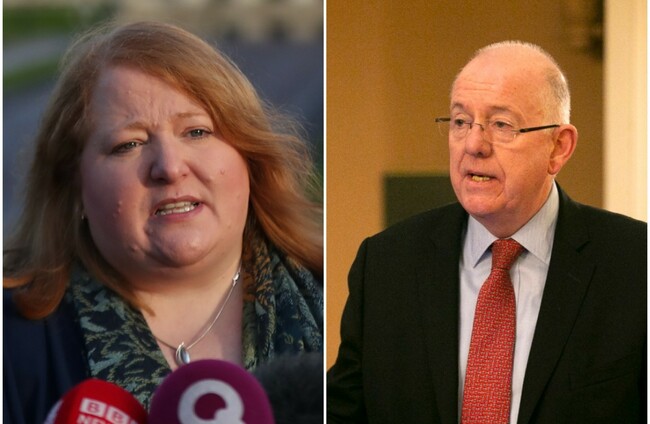
MINISTER FOR JUSTICE Charlie Flanagan and Northern Ireland’s Justice Minister Naomi Long have stressed the importance of avoiding complacency regarding Covid-19 restrictions ahead of the North’s bank holiday weekend.
In a joint statement this evening, Long said that “the message is simple – please stay at home unless your journey is essential”.
In recent weeks, a loophole in the Republic’s emergency legislation emerged whereby concerns surfaced that those in Northern Ireland did not have to abide by movement restrictions once they had crossed the border into the south.
Speaking in the Dáil following the news, Varadkar said he had consulted with the Attorney General in relation to the loophole and it was determined that no changes to the emergency laws are needed.
In this evening’s statement, Long said: “We are heading towards a bank holiday weekend in Northern Ireland and I know how tempting it can be to set off on a day trip or perhaps to a holiday home but we really do need people to continue to stay at home.
The vast majority of people are doing that – and they are saving lives. Now is not the time for complacency if we are to win the battle against what is an invisible and particularly vicious enemy.
Flanagan said he is “heartened by the high level of compliance” there has been with the public health restrictions aimed at reducing the spread of the virus.
“There has been an unprecedented effort by the public and by frontline services, North and South,” Flanagan said.
“I know that as the weeks have passed, some people may be finding the situation harder. But it is just as important as ever that we listen to the health experts and continue to respect the rules and stay at home, other than for essential journeys,” he said.
He commended the “tremendous cooperation” between officers in the PSNI and An Garda Síochána during the crisis.

To embed this post, copy the code below on your site












have your say