Sign in. It’s quick, free and it’s up to you.
An account is an optional way to support the work we do. Find out more.
Sign in. It’s quick, free and it’s up to you.
An account is an optional way to support the work we do. Find out more.
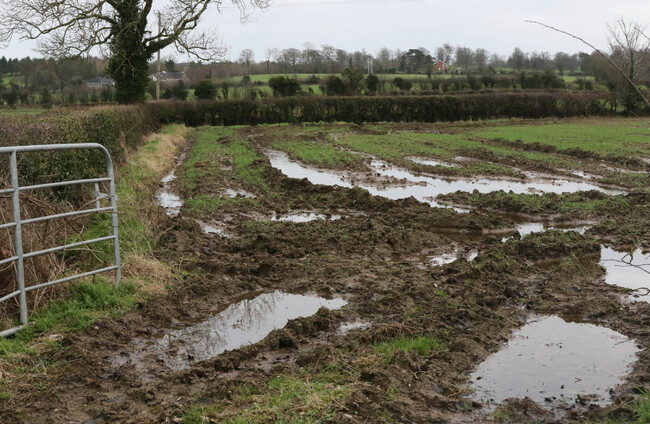
A NEW FODDER transport scheme for livestock farmers has been announced as part of measures to alleviate pressure on the industry amid relentless wet weather.
While fodder is still available in parts of the country, transporting it to places without has cost farmers a considerable sum.
Agriculture Minister Charlie McConalogue said it is essential that the support announced today is “targeted at those who most need it and does not impact on the normal functioning of the market for fodder”.
“Teagasc analysis has shown that fodder remains available across the country, but I am conscious of the significant additional cost to farmers where fodder has to be transported over significant distance to areas where it is most needed,” he said.
This joins earlier government responses to the wet weather, such as the pausing of non-essential farm inspections and the coordination of “advisory supports” to help farmers maximise existing stocks and “provide a basis for those with surpluses to engage with those who are struggling”.
The financial contribution will offset transport costs of hay, fodder beet, straw and silage for feeding, where a distance of more than 75km is involved.
Forage purchased before 31 March is ineligible for the scheme.
At the Fine Gael Ard Fheis at the weekend, then-incoming Taoiseach Simon Harris acknowledged that farmers “are really hurting at the moment”, and promised to “reconnect” with the community.
“It’s been an absolutely brutal year for farmers because of the weather situation,” he said.
Minister McConalogue stressed that in addressing the current challenges, a range of payments from last October to now have injected over €1.8 billion into the Irish rural economy.
The 2023 Fodder scheme issued payments of almost €53 million to 67,000 farmers to assist them in making extra fodder.
The National Fodder and Feed Security Committee has met twice recently to coordinate a response among the main stakeholders, which include Teagasc, feed merchants, co-ops, banking and the farming bodies.
Application forms will be available on the Department’s website “shortly”.
Eligibility to receive funding under the Fodder Transport Support Measure 2024 is dependent on the applicant remaining within the €20,000 individual aid limit in the 2021-2024 fiscal years, as set out by the EU. Where any aid awarded exceeds this amount, they won’t get the payment.
Senator Tim Lombard, Fine Gael’s spokesperson for agriculture described the scheme as a “solid first step”, but other “small measure” are needed.
He’s called for extended deadlines on derogation applications, dairy banding submissions, Bord Bia inspections and BISS applications.
“We also need some flexibility around regulations and paperwork to further support farmers,” he said.
Meanwhile, the Irish farmer’ Association (IFA) is urging the Department to be quick with payments
IFA President Francie Gorman also said the banks and credit unions should adopt “maximum flexibility” with their customers to ensure they can face any cashflow challenges.
“Many drystock farmers are absorbing significantly higher costs because of the prolonged wet weather and they will need support in the coming months to get back on their feet,” he said.

To embed this post, copy the code below on your site













have your say