Sign in. It’s quick, free and it’s up to you.
An account is an optional way to support the work we do. Find out more.
Sign in. It’s quick, free and it’s up to you.
An account is an optional way to support the work we do. Find out more.
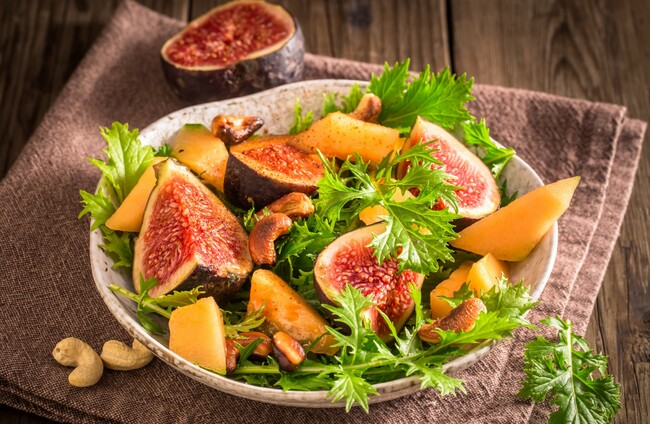

MIZUNA COMES FROM the ‘oriental green’ family of brassicas – all of these are really useful salad greens to have in your growing repertoire – they are easy to grow and tolerate neglect and extremes of heat and cold with equal aplomb.
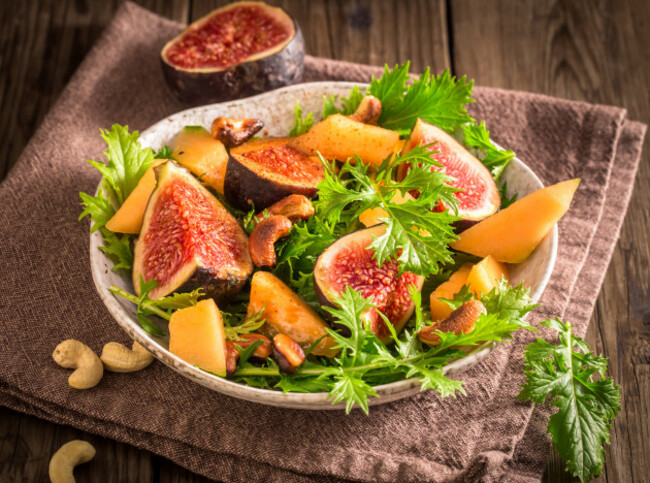
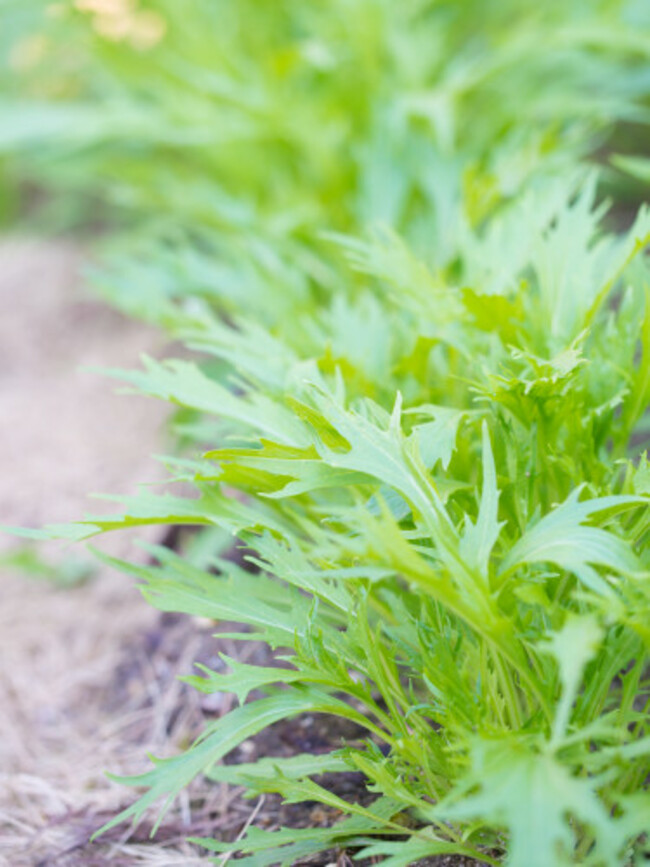
Mizuna has a refreshing mild mustard flavour that will bring interest to any salad bowl. It has attractive, serrated leaves and white stalks. Like most oriental greens, Mizuna can be eaten raw in salads or used in stir fries or soups.
Sowing
You can sow Mizuna direct in the soil or in module trays for later transplanting. I generally sow 5-6 seeds in each module in a module tray and plant out each little cluster of plants 3-4 weeks later. It’s a very reliable germinator. I find the best results from a small regular sowing every 3-4 weeks from February until September. I do a larger sowing in September to last through the winter and early spring. Though larger Mizuna plants will tolerate temperatures up to -10 degrees celsius outside, I generally do my final sowing for the polytunnel (more out of habit than necessity).
Growing
Mizuna is a really versatile veg and there are a few different ways to grow it.
Harvesting
At some times of the year you can harvest as early as 3 weeks after sowing, particularly when you are growing for ‘cut and come again’ small leaves. As the name suggest with a ‘cut and come’ again crop you can cut it back with a scissors and expect a second, third or even fourth crop of delicious leaves. You can either harvest individual leaves by hand-picking, or cut with a scissors down to about 5cm from the soil.
Recommended Varieties
Mizuna, Tokyo Beau
Problems
It’s a brassica so in theory it should be included in your brassica rotation and can be prone to all diseases that brassicas get – in practice it’s so quick-growing that you don’t get many problems with it at all. Flea Beatle can be an issue on young leaves – a fine net or fleece cover will help.
GIY Tips
• In the summer months, you need to keep it well watered to prevent it from bolting but because I sow it so regularly, I am generally not too bothered if it does bolt (just whip the plants out for composting and replace with new ones).
• Mizuna will tolerate semi-shade so ideal for a shady garden.
GROW HQ
The home of the GIY movement and our brand new food education centre, GROW HQ, is finally open in Waterford city. In addition to our 65-seat home-grown food café and shop, we’ve a range of growing and cooking courses happening weekly – for courses happening this month, check out www.growhq.org.
Recipe of the Week – Mizuna Saffron Fish
The great Joy Larkcom can reasonably be credited with single-handedly introducing Irish and British growers to the delights of oriental greens, bringing them back from her trip to China in the mid 80’s, encouraging seed companies to stock them and writing about them in her columns to spread their popularity. This recipe comes from her wonderful book ‘Oriental Vegetables – The Complete Guide for the Gardening Cook’ (Frances Lincoln). Now resident (with Don) in West Cork, I’ve been lucky enough to visit her and can vouch that the lunch was as good as you would expect from the husband and wife team that first popularised these wonderful greens here.
Ingredients:
• 100g whole shelled almonds
• 1 garlic clove, finely sliced
• 225g mizuna, chopped
• at least two different kinds of fish, about 700g in total e.g. cod, sea bass, monkfish
• saffron or turmeric
• fish or veg stock
• a few mussels or prawns
Directions:
Stir-fry the almonds and sliced garlic in a wok in a little oil. Add the chopped mizuna and stir-fry lightly. Cut the fish in to 5cm pieces and press in to the mizuna. Season with salt, pepper and saffron or turmeric. Add just enough stock to cover the fish and mizuna and simmer for about 10 minutes until the fish is cooked. Add a few cleaned mussels when cooking is underway to impart a lovely clean seafood flavour and a few prawns near the end of cooking.
After the initial cooking stage this dish could be finished in the oven.
Michael Kelly is a freelance journalist, author and founder of GIY. © GIY Ireland 2016 – all rights reserved.
To embed this post, copy the code below on your site













have your say