Sign in. It’s quick, free and it’s up to you.
An account is an optional way to support the work we do. Find out more.
Sign in. It’s quick, free and it’s up to you.
An account is an optional way to support the work we do. Find out more.
EVERY WEEK, WE bring you a round-up of the best longreads of the past seven days in Sitdown Sunday.
And now, every weeknight, we bring you an evening longread to enjoy which will help you to escape the news cycle.
We’ll be keeping an eye on new longreads and digging back into the archives for some classics.
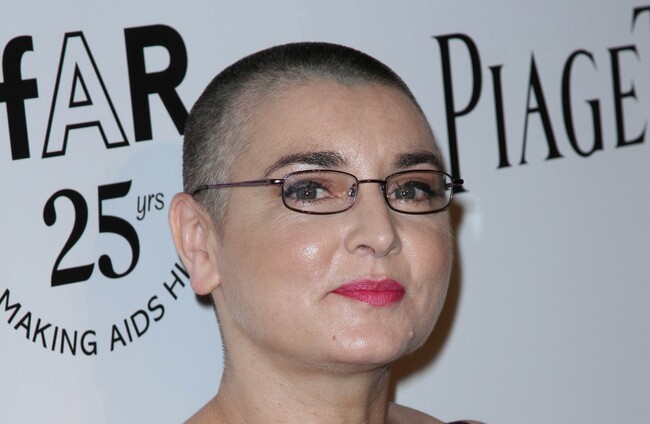
In advance of her memoir being published, the incomparable Sinéad O’Connor is interviewed.
(The New York Times, approx 12 mins reading time)
But the overreaction to O’Connor was not just about whether she was right or wrong; it was about the kinds of provocations we accept from women in music. “Not because I was famous or anything, but because I was a human being, I had a right to put my hand up and say what I felt,” O’Connor said. Some artists are skilled at shocking in a way designed to sell more records, and others at tempering their political rage into palatable music, but “Sinead is not the tempering type,” her friend Bob Geldof, the musician and activist, told me. “In that, she is very much an Irish woman.”

To embed this post, copy the code below on your site













have your say