Sign in. It’s quick, free and it’s up to you.
An account is an optional way to support the work we do. Find out more.
Sign in. It’s quick, free and it’s up to you.
An account is an optional way to support the work we do. Find out more.
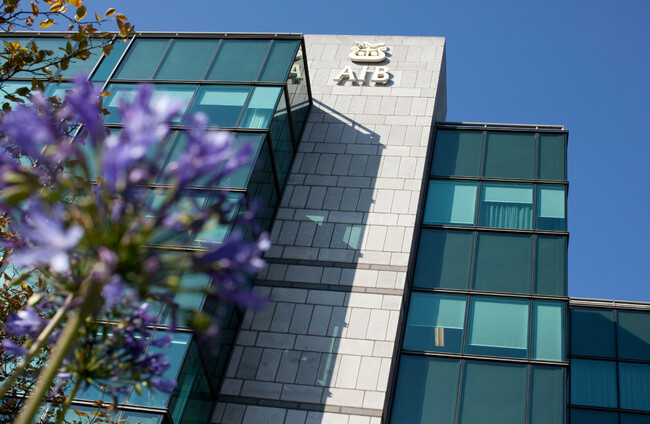
THE STATE HAS sold 5% of its share in AIB, bringing its total stake in the bank below 50% for the first time since the financial crisis of 2008.
Minister for finance Michael McGrath welcomed the news in a statement provided to The Journal, which said that it is the government’s belief that banking should be done by the private sector.
The sale of shares was done through an accelerated bookbuild (ABB), a process by which shares can be offered and sold quickly in a matter one one or two days and with little to no promotion, and will generate €480.5 million for the Exchequer according to McGrath.
“This disposal of shares is consistent with the Government’s belief that banking in the main is an activity that should be provided by the private sector, and that taxpayer funds which were used to rescue the banks should be recovered and used for the benefit of the people of Ireland,” the statement read.
The statement also said that although the Relationship Framework, which governs the nature of the relationship between the state and AIB, remains in place, “the reduction in the State’s shareholding in AIB to below 50% is a significant milestone on the path to normalising this relationship.”
The statement continued:
“As announced earlier today, the State sold a tranche of AIB shares at a price of €3.64 per share which will generate €480.5m for the Exchequer, bringing to c. €13bn the total amount returned to the State to date from its investment in AIB.
“The price achieved on this transaction was c. 23% higher than what was achieved in our previous ABB transaction in AIB last November while also achieving a lower discount,” McGrath said.
He added that the offer had received “significant demand from a large number of international and institutional investors.”
AIB, among other banks, was rescued through state intervention when the Irish banking sector faced a financial abyss at the time of the global financial crisis in 2008.

To embed this post, copy the code below on your site









have your say