Sign in. It’s quick, free and it’s up to you.
An account is an optional way to support the work we do. Find out more.
Sign in. It’s quick, free and it’s up to you.
An account is an optional way to support the work we do. Find out more.
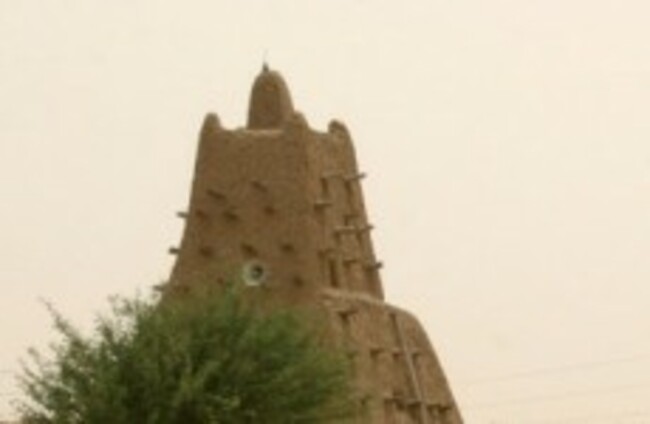
ISLAMIST HARDLINERS in northern Mali have attacked the ancient tombs of Muslim saints, causing what UNESCO has described as “wanton damage”.
The attacks come just two days after the world heritage group placed the tombs and Timbuktu on its list of sites in danger.
UNESCO said on Thursday that it was responding to the Malian government’s call for the sites to be put on the danger list in an effort “to raise cooperation and support for the sites threatened by the armed conflict in the region”.
The organisation’s committee has also appeal to Mali’s neighbours to help prevent the trafficking of cultural artefacts from the sites.
Timbuktu has three historic mosques which were restored in the 16th century and which UNESCO describes as having borne witness to the city’s ‘golden age’. The mosques had already been described as being in danger of desertification. It says the city was central for the spread of Islam in Africa during the 15th and 16th centuries.
Witnesses say that the 15th century tomb of a saint has been destroyed and that gangs have begun attacking a second mausoleum.
“This is tragic news for us all,” Alissandra Cummins, chair of UNESCO’s executive committee, said in a statement to AFP. She also described the attacks as “wanton damage” a and appealed “to all those engaged in the conflict in Timbuktu to exercise their responsibility”.
The Ansar Dine group of Islamist hardliners seized control of northern Mali during the political uncertainty following a coup in the Malian capital in March. It wants to impose Sharia law in the region.
Spokesperson for the group Sanda Ould Boumama told AFP today that the group “will destroy every mausoleum in the city. All of them, without exception.”
“God is unique. All of this is haram,” he said. ”We are all Muslims. UNESCO is what?”
- Additional reporting by AFP

To embed this post, copy the code below on your site















have your say