Sign in. It’s quick, free and it’s up to you.
An account is an optional way to support the work we do. Find out more.
Sign in. It’s quick, free and it’s up to you.
An account is an optional way to support the work we do. Find out more.
AN AIDS HEALTH care group is defending an ad campaign in Los Angeles that links popular dating apps with the spread of sexual transmitted diseases.
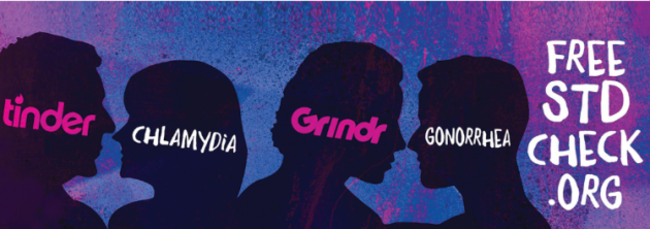
The AIDS Healthcare Foundation targets Tinder, a location-based dating app, and Grindr, a similar site for gay men, in billboards and bus benches that are aimed at reminding users about the risks of casual sex and offering free STD tests.
Billboards show a silhouette of a man labeled “Tinder” face-to-face with a woman’s silhouette labeled “chlamydia”. A silhouette of a man labeled “Grindr” faces a male silhouette labeled “gonorrhea”.
Backlash
Reaction from the dating apps was swift.
Within two hours of the first billboard going up, Grindr pulled ads that the foundation pays for on the dating site to promote free STD testing, the foundation said.
In less than 24 hours, Tinder sent a cease and desist letter claiming the campaign falsely associates the dating app with the spread of venereal diseases.
The foundation sent a letter to Tinder denying that it disparaged the company and saying it would not remove the reference to the app.
The campaign is intended to draw attention to rising STD rates that the foundation said coincides with the popularity of the sites that make hook-ups easier, said Michael Weinstein, the foundation’s president.
“It’s logical, if you can be hooked up with someone in an urban area within minutes,” he said, “of course you’re going to have to more STDs.”
The signs are currently on a dozen billboards in Los Angeles and 45 bus benches, Weinstein said.
The Los Angeles-based foundation, which provides health care to HIV and AIDS patients and free sexual disease testing, plans to also put them up in New York City, Miami and Fort Lauderdale, Florida.

To embed this post, copy the code below on your site
















have your say