Sign in. It’s quick, free and it’s up to you.
An account is an optional way to support the work we do. Find out more.
Sign in. It’s quick, free and it’s up to you.
An account is an optional way to support the work we do. Find out more.
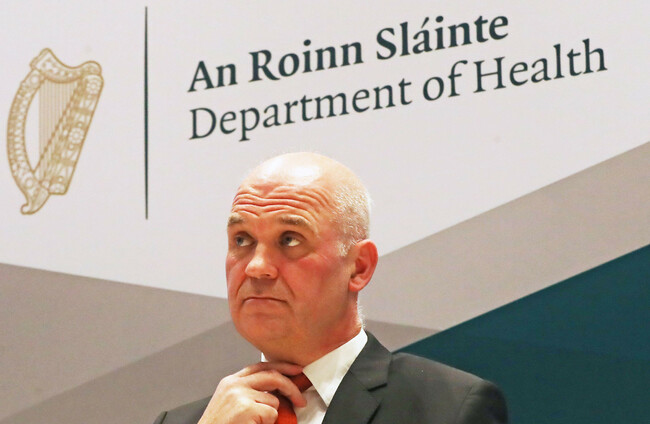
FORMER CHIEF MEDICAL Officer Tony Holohan has criticised the Government’s decision to reopen pubs and restaurants during the so-called “meaningful Christmas” of 2020, according to excerpts from his new book published by the Irish Independent.
Holohan’s new memoir, We Need to Talk, details the already well-known tensions between the coalition Goverment and NPHET, the National Public Health Emergency Team, that existed at the time.
The period between December 2020 and January 2021 is one focus of the then CMO’s criticism of Government policy, when the decision was made to open up pubs and restaurants despite NPHET advising against it.
According to Holohan’s book, this likely led to preventable deaths.
“There were more than 1,500 Covid deaths in January 2021. It was the single worst month for deaths over the entire course of the pandemic,” Holohan writes.
“This was at a time when we knew how to control the spread of the virus, but we failed to do so as a country. Many of the people who died were probably not far away from the point at which they could have been offered the protection of vaccination.”
“I cannot say that all of the deaths in January 2021 could have been prevented. But I think we should have prevented a lot more of them.”
Holohan also has strong words for Leo Varadkar’s comments at the time that criticised NPHET members for making decisions that would not bring consequences on them personally.
“That wasn’t true or fair,” writes Holohan, who points to his late wife’s last months in isolation as a consequence.
“We lived in the real world. We were impacted. Our families were impacted, financially and emotionally. Emer was slowly dying and would be cut off from all her friends and family in her last few months of life.”
Holohan defends the general policy of imposing lockdowns during the pandemic, saying that ICU capacity was not a decisive factor when deciding on that approach.
“We would still have done everything we could to prevent people ending up in ICU in the first place.”

To embed this post, copy the code below on your site














have your say