Sign in. It’s quick, free and it’s up to you.
An account is an optional way to support the work we do. Find out more.
Sign in. It’s quick, free and it’s up to you.
An account is an optional way to support the work we do. Find out more.
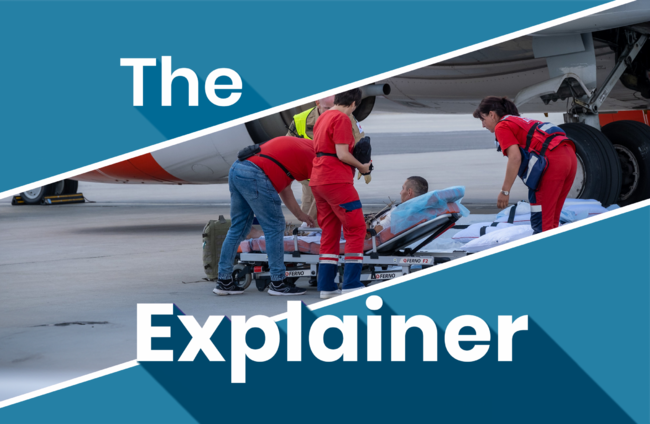
IT’S NOW MORE than two years since Russia’s invasion of Ukraine and the war continues to rage.
The world has watched as some towns and cities are reduced to ruin. Fighting continues both along the frontlines as well as behind, as both sides trade cruise missile and drone attacks.
For those who have not fled Ukraine, civilian life has been severely disrupted, particularly in accessing complex healthcare needs, ranging from war injuries to managing chronic illnesses.
This is where the European Commission has stepped in, creating an initiative that allows EU member states and other participating countries to opt-in to receive patients from Ukraine for treatment
The logistics involved are complex, and are coordinated through the EU Medevac hub in Poland. This includes managing transportation and medical care en route.
On this week’s episode of The Explainer, supported by the European Union’s Department for Civil Protection and Humanitarian Aid Operations, we explore how all this works.
Eric Adrien, duty officer at the Emergency Response Coordination Centre (ERCC), was involved in setting up the Medevac hub, and delves into how it was all set up and how it functions.
How long will the service continue to be provided? And how many patients has Ireland received?
https://soundcloud.com/the-explainer-podcast/what-happens-when-people-need-medical-attention-in-ukraine/s-kP8lviGgKH2?si=04c3e3ebf0ef47e08495c1e08ec0d66f&utm_source=clipboard&utm_medium=text&utm_campaign=social_sharing
This episode was put together by presenter and executive producer Sinéad O’Carroll and senior producer Nicky Ryan.

To embed this post, copy the code below on your site












have your say