Sign in. It’s quick, free and it’s up to you.
An account is an optional way to support the work we do. Find out more.
Sign in. It’s quick, free and it’s up to you.
An account is an optional way to support the work we do. Find out more.
A YOUNG SCIENTIST project is already attracting attention from NGOs even before it has gone on display.
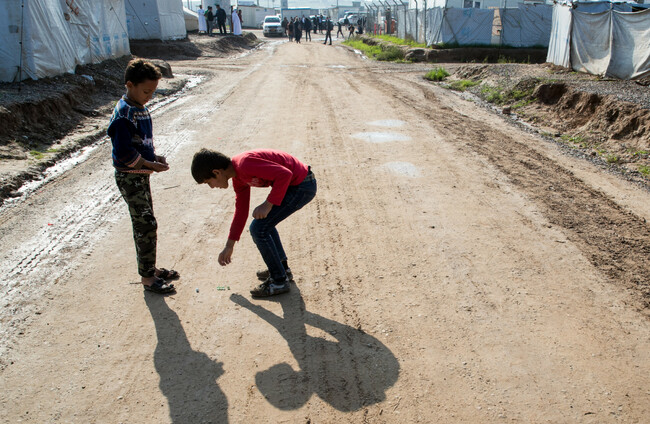
Anna O’Connor (17) from St Angela’s College in Cork is developing a device to help with education in refugee camps and in the developing world.
It consists of solar panels and a lead acid battery from an alarm or car, with a Raspberry Pi – a tiny and cheap computer – to provide processing power.
It’s intended to be used in locations where a data connection is unavailable, and the teaching aids can be loaded on to the device in advance and displayed on an external screen.
Anna, who is working on the project with her teacher Clare O Donovan, said she wanted to achieve something more out of her young scientist project, having entered the competition two years in a row previously.
“I’ve asked had a huge interest in technology,” Anna explained, “but I’ve also started gaining interest in humanitarianism, and I follow people like Malala [Yousafzai].”
“I wanted to do a project that could help people rather than just one for the sake of doing a project.”
The feedback on the initial stages of the project have been positive, Anna said.
Although similar tools exist to help in areas where electricity and data are in short supply, few are tailored towards education, Anna says, and she wanted to target this gap.
Ahead of the exhibition, she hopes to secure a patent or at least patent pending status for the device, and develop a smaller, handheld version with a lithium-ion battery.
We’ll have more coverage of projects ahead of the BT Young Scientist & Technology Exhibition.

To embed this post, copy the code below on your site












have your say