Sign in. It’s quick, free and it’s up to you.
An account is an optional way to support the work we do. Find out more.
Sign in. It’s quick, free and it’s up to you.
An account is an optional way to support the work we do. Find out more.
THE CORRECT DRIVING position not only improves your safety – it can also improve your driving by helping you carry out manoeuvres more efficiently.
Where your legs should be
To find the correct driving position, sit up straight and keep your shoulders against the seat back. Fully depress the brake and clutch pedals with your feet and with the pedals pressed, adjust your seat forward so that your legs have a slight bend in them.
Your legs should never be fully straight as straight limbs are more prone to fractures and breaks during an impact.
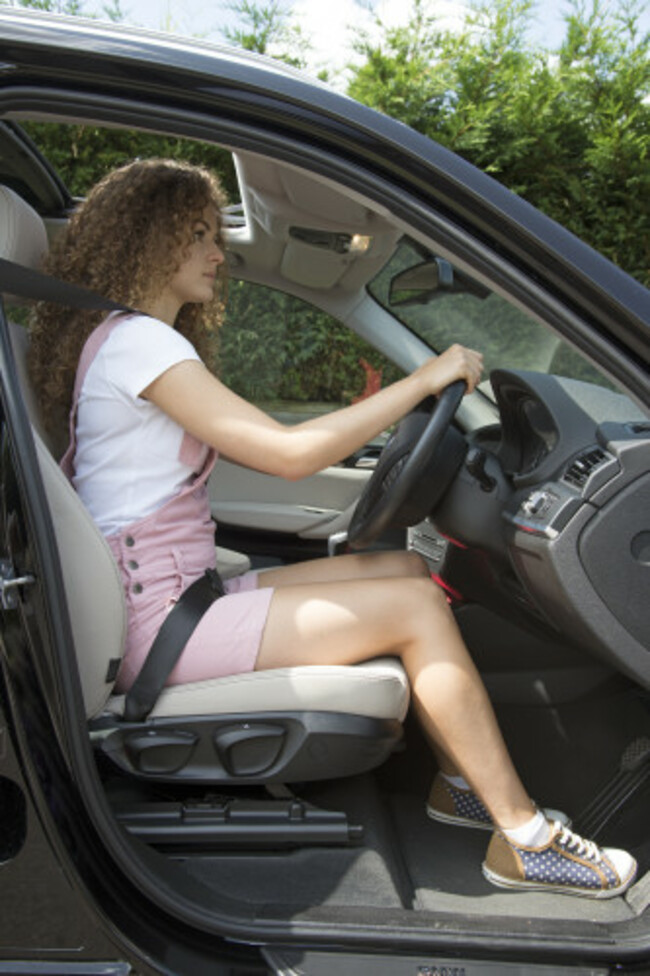
Adjust the steering wheel, if you can, so that you can clearly see the instrument panel without having to move your head.
Arms and back
Rest your wrists on the top of the steering wheel – if your shoulders lift off the seat then you need to adjust the seat so that you can rest your wrists on the steering wheel whilst keeping your shoulders against the seat.
This adjustment and distance from the steering wheel will ensure that when steering your arms will never straighten and will always have a slight bend in them.
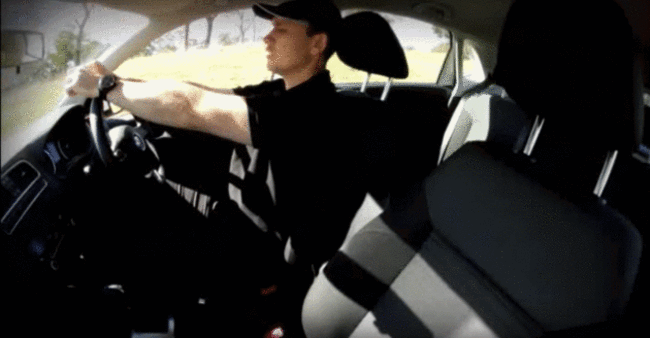
Watch the hands
The quarter-to-three position is the new ten-to-two position. Placing your hands on the wheel at the quarter-past-three position is safer as you do not obstruct the driver’s airbag and this position gives you more control when steering making maneuvering the car easier, which makes you look like a parking pro.

To embed this post, copy the code below on your site






have your say