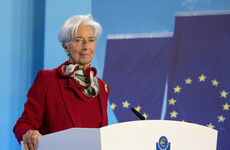
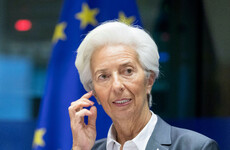
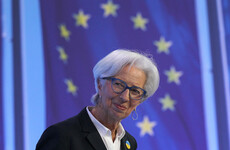
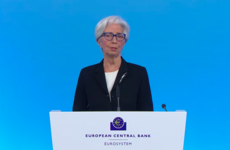
The function of the ECB is to administer the monetary policy of the 16 Eurozone countries. The primary aim of the ECB is to keep inflation low and maintain price stability in the Union. It is one of the most important central banks in the world. Its headquarters are in Frankfurt.

It was dramatic, chaotic, uncertain and very confusing as Ireland struck a deal to tear up the promissory notes and repay Anglo’s debts over a longer period. Here’s how it unfolded…

TDs will reconvene after 10pm tonight to discuss plans to transfer IBRC’s assets to NAMA – as part of a deal to replace the promissory notes with long-term Government bonds.
The Fianna Fáil finance spokesperson has called on Michael Noonan to hold face-to-face negotiations with the European Central Bank president after he wrote to him last month.
You have been and will be hearing a lot about promissory notes in the coming weeks but what’s it all about? We’ve taken your questions, come up with some of our own and asked the experts…
It’s back on the agenda as the Irish government seeks a deal to avoid paying back €3.06 billion due in March, but what do you want to know about those pesky promissory notes?
Leo Varadkar and Pat Rabbitte have both insisted that the discussions on reducing the burden of Ireland’s bank debt will continue despite a report that the ECB had rejected a key Irish government proposal.
Tánaiste Eamon Gilmore will address world leaders – including Angela Merkel – in Chile today as hopes for a deal on Ireland’s bank debt took a blow last night and the opposition criticised the government’s lack of openness.
The bank says it will soon reimburse money borrowed in exceptional ECB long-term lending operations, owing to improvements in the credit markets and its own cash position.
MINISTER JAMES REILLY has started a campaign to control the costs of health insurance this week with the appointment of an independent expert to chair a forum of providers.
The Fine Gael TD has voiced his disappointment at rising premium prices in recent weeks but insurers insist they have been forced into the increases because of higher charges for public hospital beds and a government levy.
Regardless of where the expenses originate, the customer has experienced annual hikes in their payments, to the point where many have reduced their cover or cancelled it entirely. Last month, figures from the Health Insurance Authority showed the percentage of the population with cover fell to 45.3 per cent.
Today, we ask about your own experiences. Have you given up your health insurance in recent years?