Sign in. It’s quick, free and it’s up to you.
An account is an optional way to support the work we do. Find out more.
Sign in. It’s quick, free and it’s up to you.
An account is an optional way to support the work we do. Find out more.
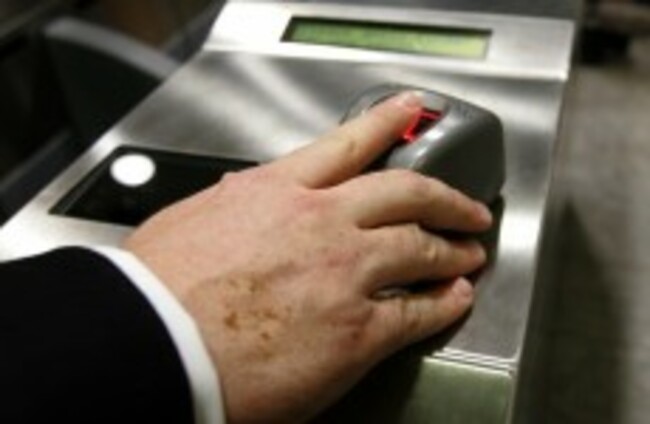
IRISH AND UK authorities are about to step up their cooperation and intelligence sharing to an “unprecedented” level, amid fears over jihadist militants arriving into both countries from the Middle East.
The Department of Justice said today that Irish and British immigration authorities were finalising a new passenger watch list to share and cross-check fingerprints and other information, in response to recent violence in Syria and Iraq.
The phenomenon of individuals travelling from all over Europe to the fighting in the Middle East has been an issue of concern to the majority of European States and others internationally.
There is obviously serious concern over the radicalisation and security risks some individuals may pose on returning to their home countries.
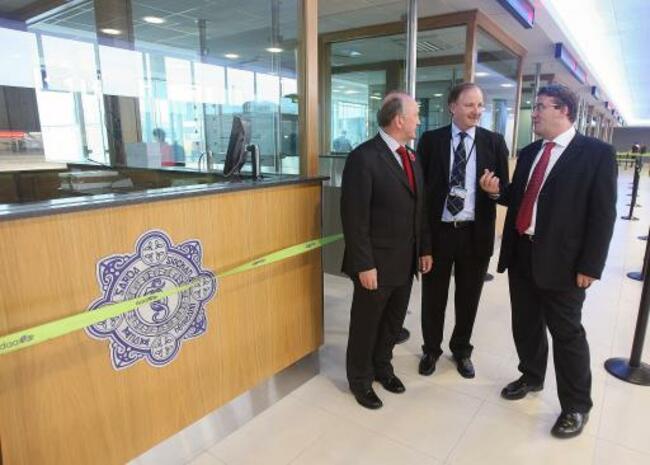
In light of that, unprecedented new measures are on the way, the department said, confirming a report in today’s Irish Independent:
Plans are being finalised to step up data-sharing cooperation between Ireland and the UK in the coming months including through the use of cutting edge automated systems to extend the sharing and cross-checking of information, including fingerprints.
Ireland is currently working on proposals to develop an Advance Passenger Information (API) system requiring airlines and other carriers to provide passenger information.
Responding the inquiries by TheJournal.ie, Minister Frances Fitzgerald’s department said authorities here and in the UK are, on a daily basis, sharing information regarding visa applicants, and working together to track down individuals trying to “enter either country by evading immigration controls and checks.”
Operational and data sharing cooperation with the UK immigration authorities is at an all time high.
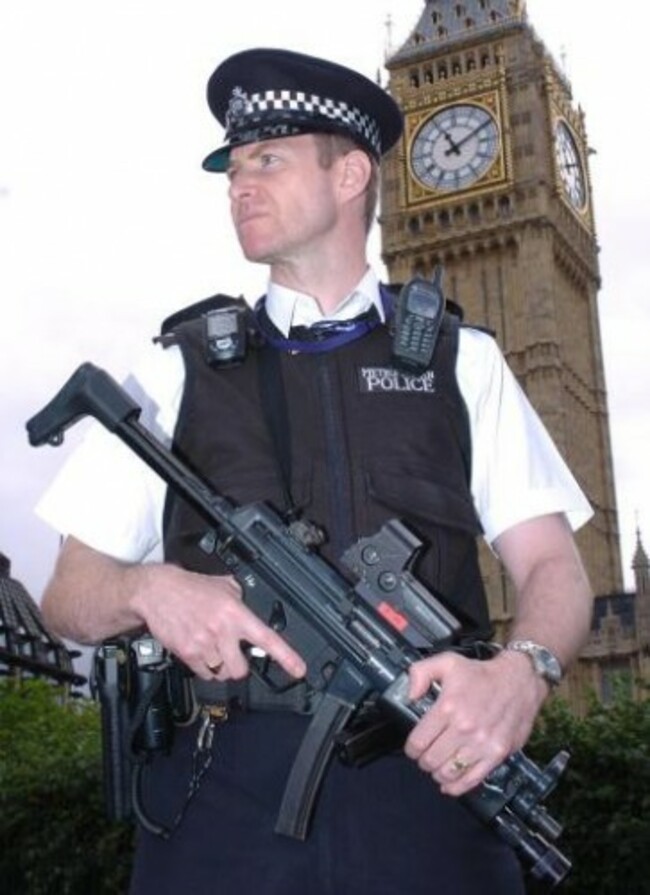
When it comes to the prospect of Irish citizens returning from fighting in Syria and Iraq, the Department of Justice said:
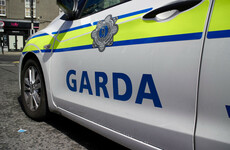
The Garda Síochána continue to monitor the situation and, in line with best international practice, to promote engagement with communities to counter the threat of radicalisation.
The announcement comes just days after the British government raised the country’s terrorist threat level from “substantial” to “severe”, in response to developments in the Middle East, as Home Secretary Theresa May explained:
The increase in the threat level is related to developments in Syria and Iraq where terrorist groups are planning attacks against the West.
Some of these plots are likely to involve foreign fighters who have travelled there from the UK and Europe to take part in those conflicts.
Originally published 13:31.

To embed this post, copy the code below on your site









have your say