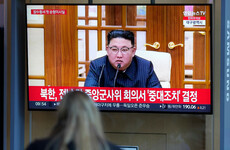
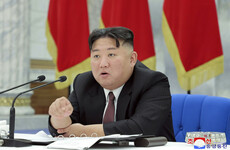
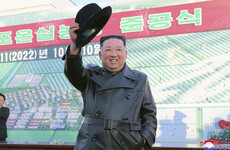
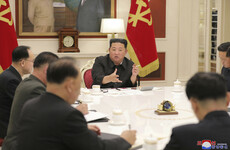
North Korea says the South should have stopped 40 people from burning a portrait of Kim Il-sung on the anniversary of his birth; Seoul says the ultimatum is ‘absurd’.
The problem with deterrence theory is that, at its root, it is based on threats which can lead states to the brink of war. North Korea’s behaviour should instead be viewed as an opportunity for engagement, writes Jason Douglas.
While a functioning nuclear weapon remains years away for North Korea, recent activities and statements will nevertheless have a worrying effect in Seoul, Washington and the wider world, writes Jason Douglas.
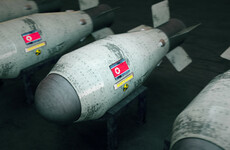
Claiming to have made a breakthrough with a ‘miniaturised’ device it would put the country a step closer to fitting a nuclear warhead on a ballistic missile.
The Titanic disaster, the Cuban Missile Crisis, and the Anglo-Irish Treaty: 2012 has been a big year for commemorations. Here’s your guide to the bigger commemorations held this year.
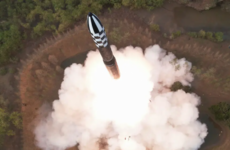
The secretive state’s latest public comment came in response to the announcement of a new deal between South Korea and the US to triple the range of its missiles.
The chef, who is believed to have worked for Kim Jong-Il before his death, is one of the few people to publicly speak out about meeting Kim Jong Un and his new wife.
South Korean soldiers were reported to have collected thousands of leaflets floated by the North across the frontier as relations worsen between the two countries still technically at war.
Some analysts say that the departure of Ri Yong-Ho and the arrival of his replacement Hyon Yong-Chol is an attempt by new leader Kim Jong Un to tame the power of the country’s vast military.
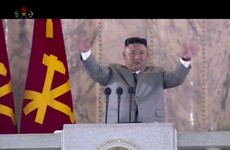
At the culmination of two weeks of celebrations marking the centenary of the birth of his grandfather, North Korea’s new leader made his first public speech since stepping into power last December.
It’s one of the most secretive nations in the world but this week, North Korea allowed journalists in to the country to witness its rocket test. Here’s what they saw.
AT A HIGH-profile US Senate meeting, technology giant Apple was accused of using Ireland as a ‘tax haven’.
The multinational firm, which employs 4,000 people in Ireland, reportedly avoided paying €34 billion in US taxes by negotiating a tax rate of less than 2 per cent with the Irish government – significantly lower than that nation’s 12.5 per cent statutory rate.
The Senate heard that American children are losing out on education because Apple is transferring profits to Irish subsidiaries.
However, the Taoiseach Enda Kenny has denied that Ireland is a tax haven and rejected claims that authorities had negotiated deals with multi-national companies.
So, today we want to know, what do you think? Should Ireland be tougher on multi-national companies when it comes to tax?