We need your help now

Support from readers like you keeps The Journal open.

You are visiting us because we have something you value. Independent, unbiased news that tells the truth. Advertising revenue goes some way to support our mission, but this year it has not been enough.

If you've seen value in our reporting, please contribute what you can, so we can continue to produce accurate and meaningful journalism. For everyone who needs it.

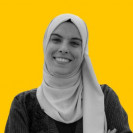
Fatima Hassouna

'This city has become a city of ghosts' The photo diary of a journalist killed in Gaza

Fatima Hassouna, a talented Palestinian photojournalist and youth advocate for Plan International, was killed by an Israeli airstrike in April.

FATIMA HASSOUNA WAS a talented Palestinian photojournalist and youth advocate for Plan International

On 16 April 2025, the 24-year-old was killed by an Israeli airstrike, along with ten members of her family.

Fatima lived through 18 months of Israel’s offensive in Gaza. Using her camera and her notebook, she documented the impact it was having on the daily lives of Palestinians living in the territory. 

“She wanted the world to know what they were living through in Gaza, determined that people would listen and care,” Plan International said. 

In the weeks before her death, Fatima created a photo diary – allowing us an insight into her world and sharing with us her thoughts and emotions. The day before she was killed, she approved her photo diary to be shared publicly. Plan International subsequently received consent from her family to share her work.

A city in ruins

202405-PSE-03 Fatima Hassouna Fatima Hassouna

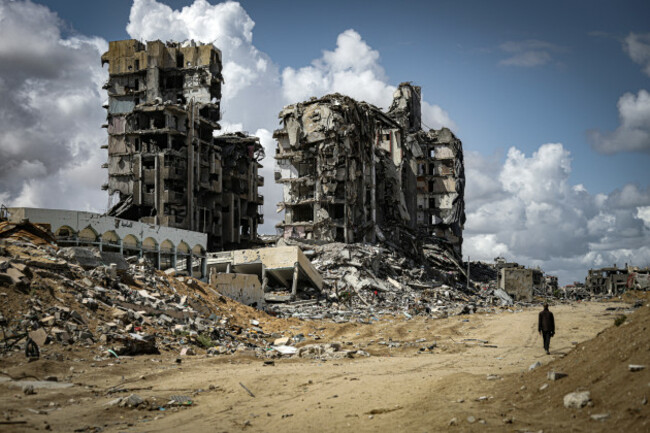
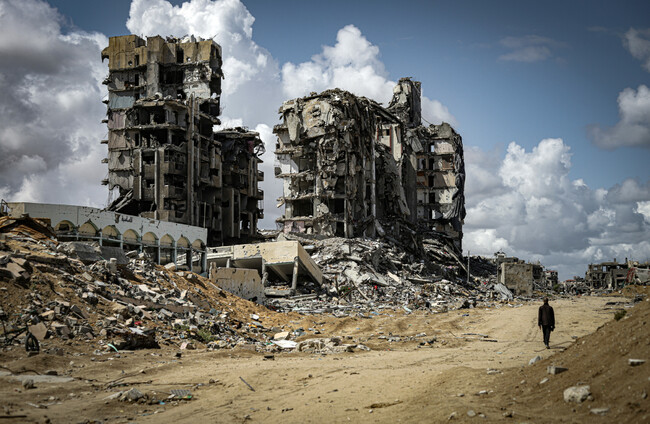
This is my city, and what it looks like today after 18 months of brutal conflict: sandy streets, demolished homes, non-existent facilities. Every place we loved has turned into a vast emptiness, and this city has become a city of ghosts.

This is Al-Mukhabarat Street in the northern Gaza Strip. It used to be one of the most vibrant streets, as it led you to the beautiful sea, past the Al-Mathaf Hotel, and other places people enjoyed visiting here.

But today, I can see the scars of destruction after fire belts ravaged this once busy street. It has now transformed into something else – it took me a while to even recognise it when I got here.

Every landmark in this city has changed. They have taken from us all the things we loved.

A stadium of families

202411-PSE-10 Fatima Hassouna Fatima Hassouna

This is the Yarmouk Stadium. In days gone by, it was a place filled with the cheers of crowds as they enjoyed watching football matches here. On these stands, we used to witness the excitement, joy and chants of fans whenever there was a game on.

Now it has been turned into a camp for the displaced, for families forced to flee their homes as they have been destroyed, or risk being targeted. Women who have lost their homes sit on these stands – some have lost their husbands, children, or other family members, each carrying her own story.

These women sit on the stands where they now literally live. These stands, no wider than a square meter, are where entire families must sleep. Every now and then, they sit in this small space, staring out, into the distance. I imagine that they are staring at what feels like the towering piles of their worries before them.

In the tent, there is no privacy, no safety, no warmth and no dignified living. I cannot imagine how the women I see here, with frail bodies suffering from malnourishment and doing their best to feed and care for their families, can live in a place like this, where tents collapse every time it rains.

How can entire families live comfortably in such cramped conditions? How do they carry on with their lives? How have the sounds of cheers and joy heard here less than two years ago turned into tears and sighs of exhaustion? In the tent, there is nothing but weariness.

Colour in the dust

202406-PSE-01 Fatima Hassouna Fatima Hassouna

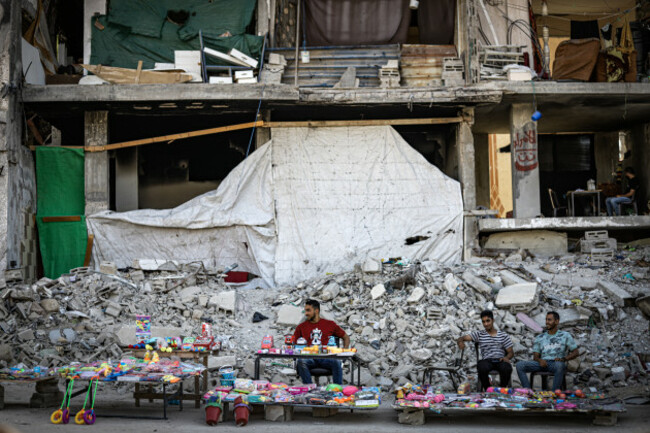
My Gaza is one of the most contradictory places in this world. Amidst brutal destruction and devastation, you stumble across this stall filled with colourful children’s toys, standing in stark contrast to the dull colours of devastation and death – a bold defiance of oppression. There will still be hope for a better future.

I took this photo because it tells me that even if they kill all the children, other children will be born, carrying these toys in their hands and living their childhood as it should be, one day.

The daily life of this city never ceases to amaze me. The resilience of its people, the life on the streets just days after it was bombed to the ground. Individuals for whom the daily risk of death cannot deter them from going out and living.

To me, this is the equation of “the pink against the grey”.

My stolen sanctuary

202305-PSE-01 Fatima Hassouna Fatima Hassouna

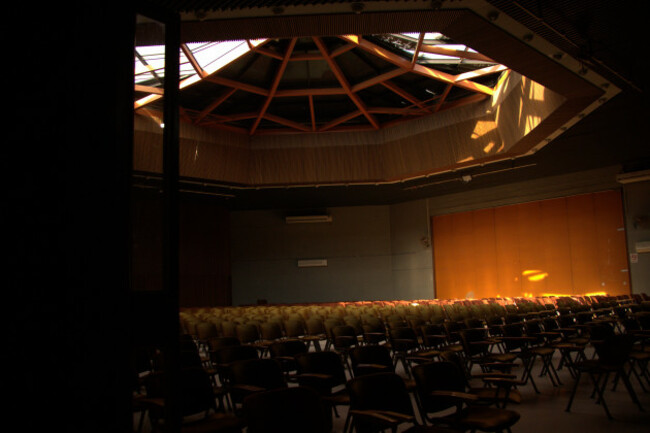
This place is the Rashad Al-Shawa Cultural Centre, one of the most important cultural centres in Gaza and one of the places most deeply etched in my memory, as well as a core part of my personal and cultural identity.

I started going to Rashad Al-Shawa when I was fifteen years old. The Diana Tamari Sabbagh Library, which is part of the centre, was the first real library I ever saw, and it left me in awe. I used to go there to feel alive, this house of books was a place where I could discover this world and connect to the essence of Fatima.

In these photos, you can see the main event hall where poetry evenings, celebrations, and plays were always held. Sometimes, it would even turn into a cinema as there are no cinemas in Gaza. It fulfilled the dreams of everyone who enjoyed the arts.

202411-PSE-04 Fatima Hassouna Fatima Hassouna

When they bombed Rashad Al-Shawa, they bombed parts of my memory and the memories of everyone who cherished this sacred spot.

The first moment I entered the place after the bombing, I felt like crying because they took something from me that they had no right to take. They stole a genuine and beautiful part of my memory. But I know deep down they cannot really take it away from me, because this place is part of my identity – steadfast, no matter how circumstances change.

A suffering generation

202411-PSE-01 (1) Fatima Hassouna Fatima Hassouna

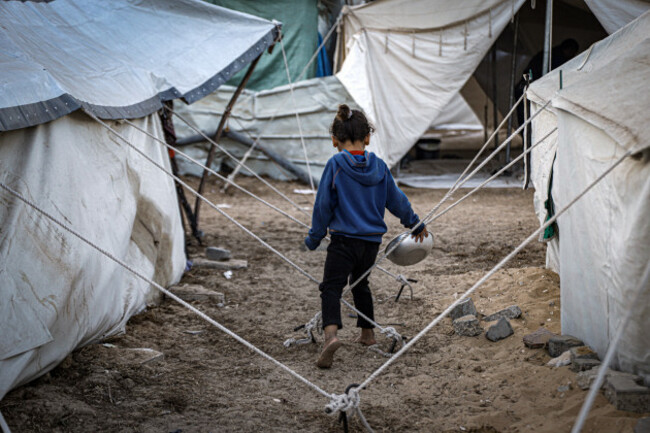
Nothing here is sadder to see than the state of the children in this city.

Yesterday, my friend was telling me about her niece, Doaa. She said she told her about their days in the south. “Imagine, Auntie, I used to go to the charity kitchen feeling so ashamed. To this day, she’s upset with herself for having to go and stand in line.”

Many children are carrying burdens heavier than their years. At a time when they should be in schools or playgrounds, they are instead living in their schools and facing war with a small plate in hand and bare feet. 

I am not always happy when I take such photos. On the contrary, these scenes deeply sadden me and eat away at my heart. The little ones of this city cannot bear all this exhaustion. But my only consolation is the hope that this generation will one day stand against injustice and that the schools and playgrounds will be as they once were.

The unforgotten artist

202404-PSE-01 Fatima Hassouna Fatima Hassouna

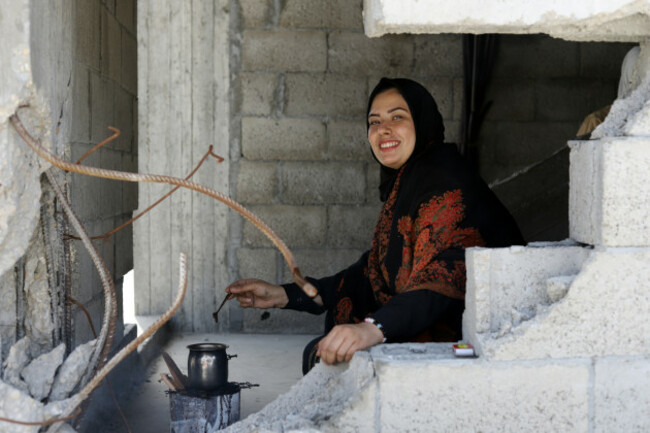
This is the talented artist and my good friend, Mahasen Al-Khatib, who was killed in the airstrikes. Mahasen was a role model for me and for many others. She didn’t let this war stop her work. She kept going.

She used to sit in the attic of her house, pictured here destroyed after an attack, and draw beautiful pictures, using them as her voice, the voice of the Palestinians, speaking to the world.

She never loved the spotlight, but she wished that everyone would hear about her and know her through her art. She often said: “I want the whole world to talk about these drawings by Mahasen. I want the whole world to see what I do.”

Mahasen worked hard and strived tirelessly for her dream of becoming a global digital artist. She trained many students, especially girls, sharing her skills.

The place where this photo was taken no longer exists. The house is gone, the attic is gone, and Mahasen and her dreams are gone. But her wish came true. Her art lives on, and many around the world now know that Mahasen was killed as she pursued her dream.

The long wait

202405-PSE-02 (1) Fatima Hassouna Fatima Hassouna

This photo is from the Al-Sudaniya beach area. It’s a spot where planes used to come to drop aid supplies. These two men were sitting on a large sand dune waiting for a plane to come. They waited for a long time, from 6am, along with many others who were also waiting.

I cannot guess what conversation passed between them, but silence alone would have been enough. Perhaps the sorrow they felt at what they were witnessing spoke louder than a thousand words. Maybe one of them had lost his home or someone dear to him. Maybe they were guessing when the aid plane would arrive, counting the hours.

They might have considered every possibility, but on that particular day, the plane never came, and everyone returned home empty-handed.

The long walk back

202405-PSE-01 (1) Fatima Hassouna Fatima Hassouna

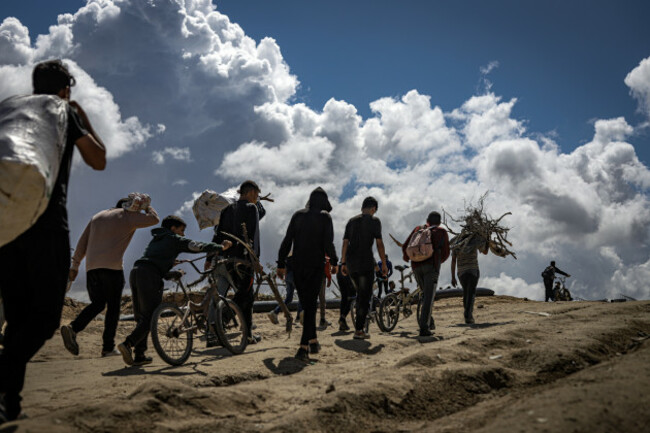
On the way back from the long day, waiting for the aerial aid drops that never came, everyone returned disappointed, having received nothing.

Many gathered firewood on the walk back, which remains the only alternative to cooking gas, and carried that back to their homes instead of bags of aid and food. But what do you do if you have fire but no food?

A history of female courage

202410-PSE-02 (1) Fatima Hassouna Fatima Hassouna

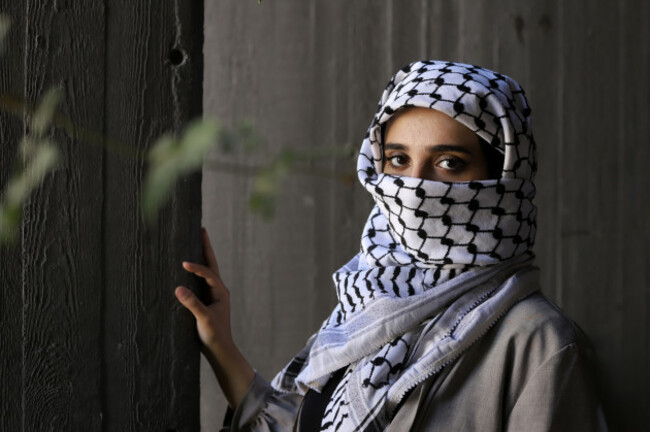
For entire generations, women have been the primary nurturers, the legends of the struggle, and the seeds from which a tree of strength and resilience has grown.

For ages, women have raised their children, instilling in them a steadfast belief and the idea that liberation begins with small actions – perhaps a keffiyeh.

In the same vein, I have always seen the keffiyeh as the symbol of Palestine, the lady. As such, we are her children, guided by the belief we must believe in a better future for ourselves, that resistance is a continuous and worthwhile endeavour.

The sea of strength

202410-PSE-01 Fatima Hassouna Fatima Hassouna

The more I try to explain our relationship as Gazans with the sea, the less meaning my words seem to carry.

The sea has been our only escape throughout our lives, and though they tried to keep us away from the sea, they couldn’t. Nothing can come between us and it. Everyone here, whenever they need to breathe, goes to the sea. Just seeing this vast expanse makes you feel like you can breathe again, like you can carry on with your life, at least with a little more sense of peace than you arrived with.

The sea has always been, and still is, the shared language of love between us and this city. The more they tried to uproot it and steal it from us, the tighter it clung to us, as if we’ve become one.

Returning home

202501-PSE-69 Fatima Hassouna Fatima Hassouna

Nothing is more beautiful than returning home. Despite the hardship of the journey, the difficulty of reaching it, and the long wait to get there, it is always worth it. The moment you breathe in the air of your homeland and your home is a moment more precious than any other.

This awe-inspiring scene will stay in my memory until I die. This image will remain an eternal memento for an entire generation after me, allowing them to inhale the meaning of returning home, the meaning of ‘home,’ and the sweetness of arrival after a long, arduous wait.

Readers like you are keeping these stories free for everyone...
A mix of advertising and supporting contributions helps keep paywalls away from valuable information like this article. Over 5,000 readers like you have already stepped up and support us with a monthly payment or a once-off donation.

Close
JournalTv
News in 60 seconds