Sign in. It’s quick, free and it’s up to you.
An account is an optional way to support the work we do. Find out more.
Sign in. It’s quick, free and it’s up to you.
An account is an optional way to support the work we do. Find out more.
THE LITTLE MUSEUM of Dublin is currently home to a photo exhibit with an unmistakably Irish feel.
The exhibition-house, based just off Dawson Street on St Stephen’s Green, is hosting Home Is Another Place by award-winning photographer Seamus Murphy.
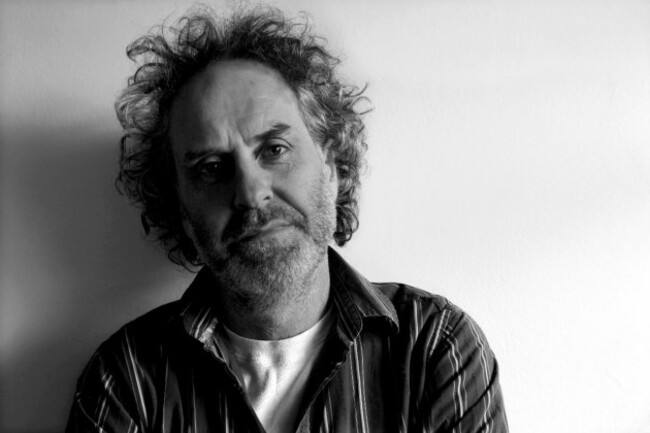
Murphy, a 57-year-old Dubliner and experienced conflict-photographer (he’s worked in Afghanistan, Gaza, Lebanon, Sierra Leone and Peru) who’s been living in exile for more than 30 years, came home after a trip to war-torn Syria with a view to documenting the Irish condition.
The project that ensued took him nearly a year-and-a-half and resulted in his book The Republic, photos from which are the backbone of the new exhibition.
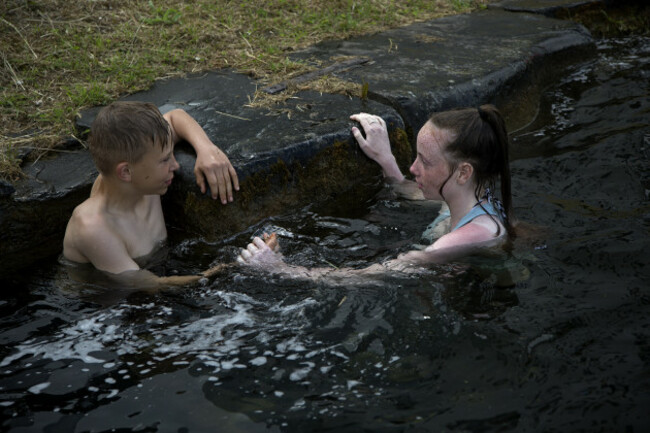
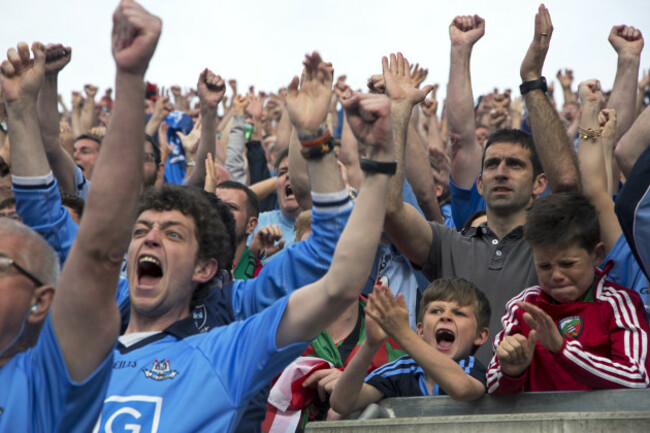
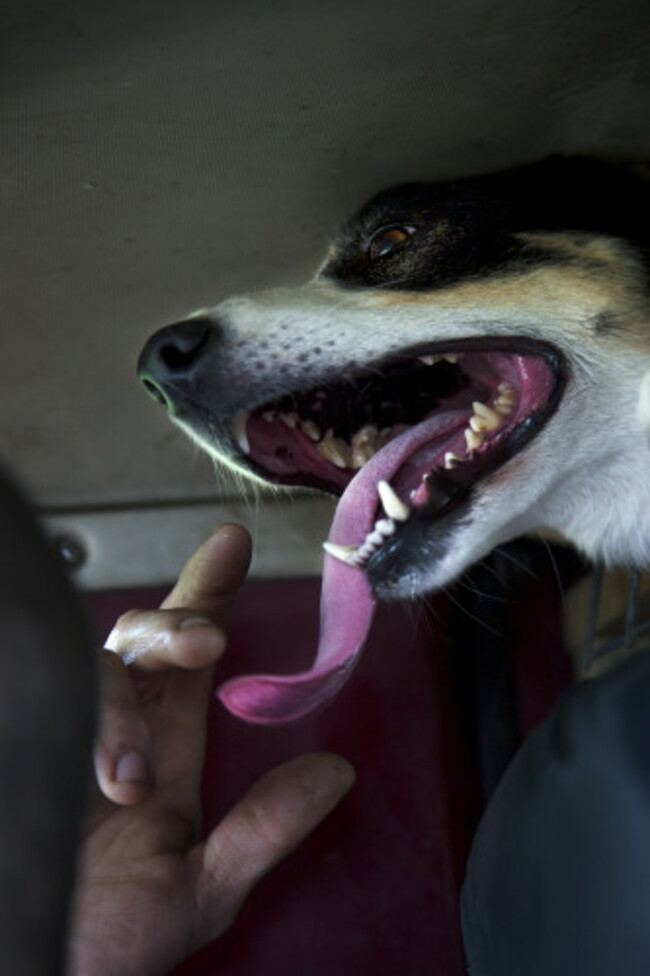
The images themselves are priceless. Many seem like something you could capture on any given day on a random Irish street. With reason, for that is often exactly what Murphy did. But the quirks of each are what resonate.
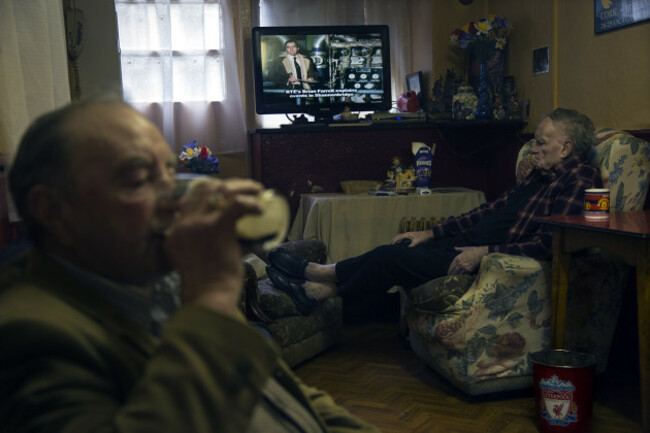
An old man sits in a parlour watching Reeling in the Years while another man sinks a pint behind him. The master of the hounds on a hunt stands on tiptoe trying to rouse someone through a stately home window. Barack and Michelle Obama exit a helicopter – in the foreground a pregnant woman stands side profile, oblivious.
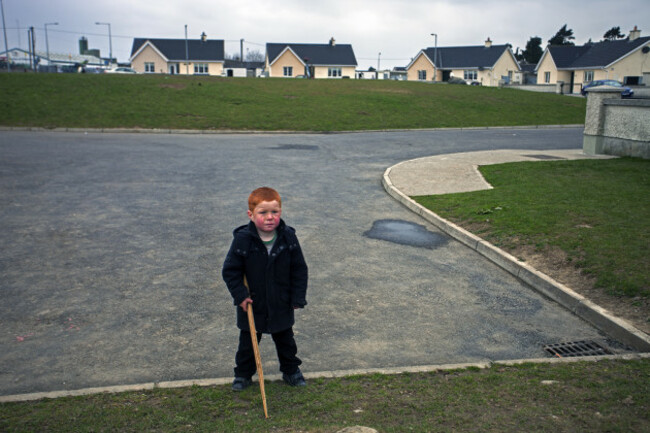
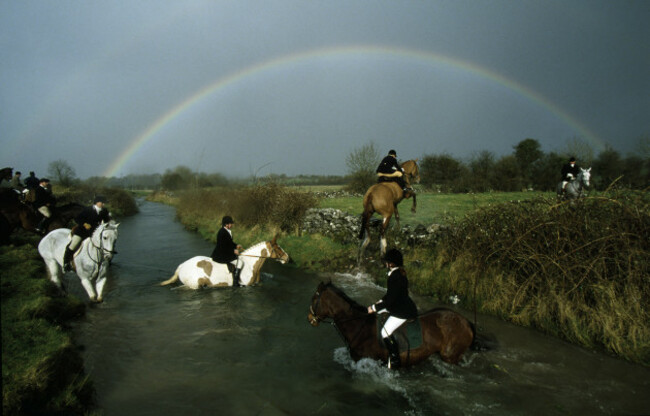
“I wanted to include everyone, I wanted to cover as much as possible,” Murphy tells TheJournal.ie. “Also, I was aiming to publish in time for the 1916 centenary – that felt like as good a time as any for us to take stock of ourselves.”
Murphy is a photographing legend; a recipient of seven World Press photo awards and a regular contributor to major international publications. He has also recently gained notice for his collaborative work with English musician PJ Harvey. Oddly enough then, Home Is Another Place is his first exhibition of Irish photography.
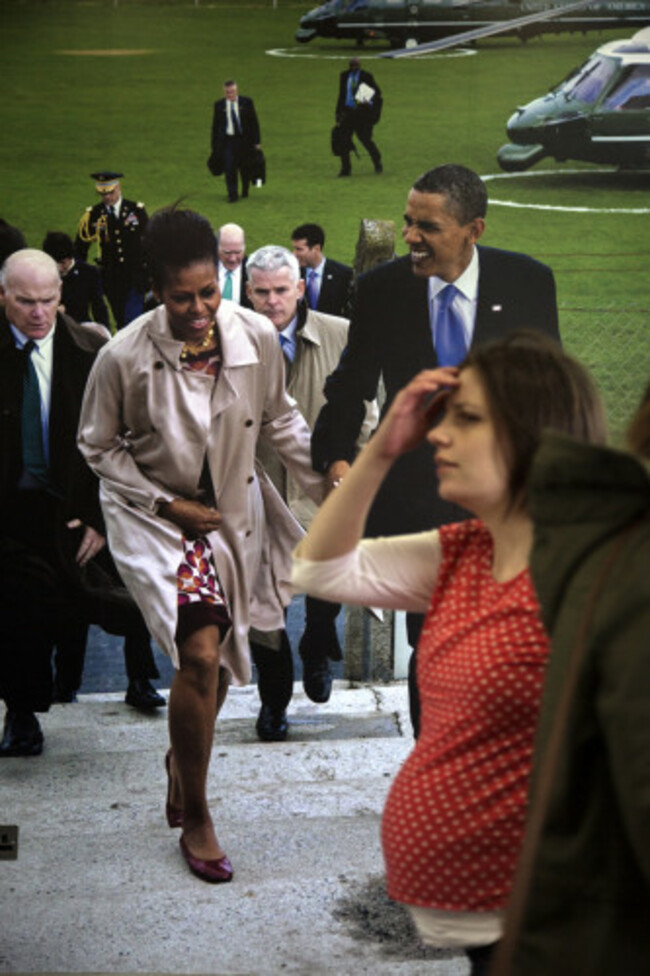
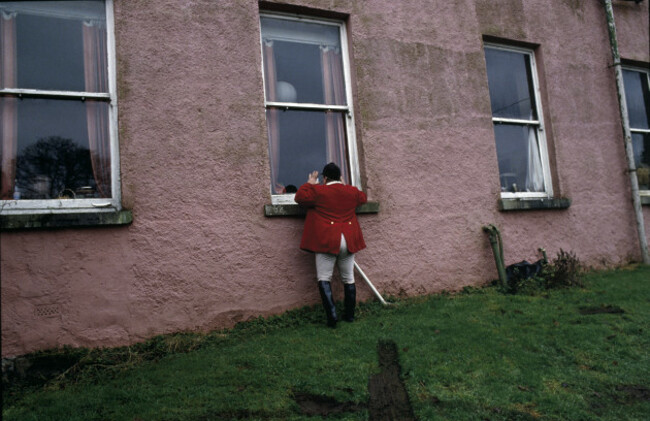
“It came from a period of soul searching (Murphy has previously said he didn’t want to capture Ireland until he’d lived long enough away to feel like an outsider),” he says. “I had just made my third trip to Syria in a year. And that’s not a normal conflict zone. You’re going behind enemy lines immediately. And it made me think – you’re facing a lot of danger and questioning things about yourself.”
Serendipity
Murphy says his approach to this project was to work “without a grand theme in mind”.
“I did approach it, though, as an opportunity to look at the country I grew up in. I had feelings when I left, I had new feelings being back. And then a theme emerges that I wasn’t even conscious of when I was taking them.”
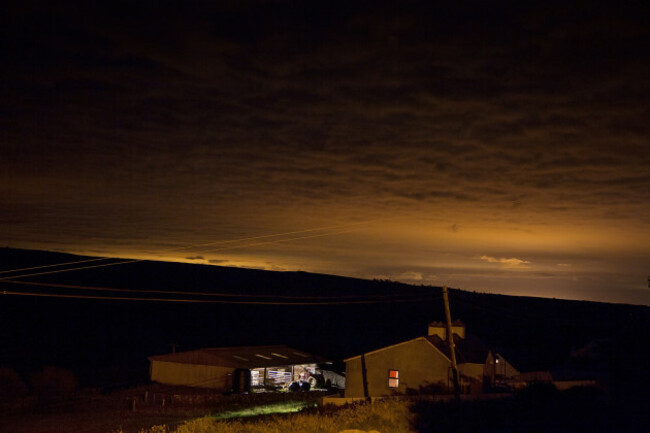
He saw great things everywhere he went “but found the countryside very distinctive”.
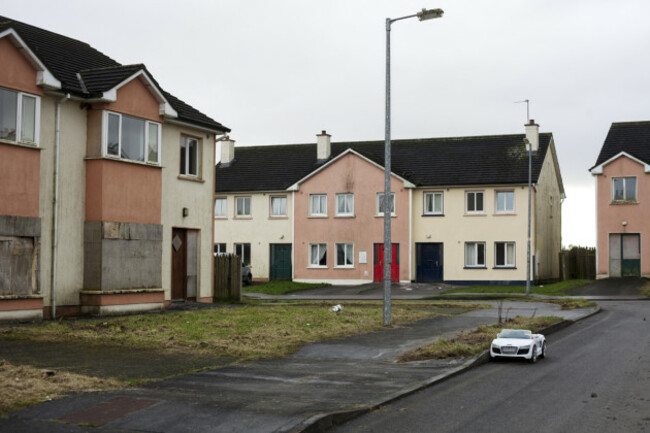
Like my favourite picture is of a tiny car parked outside a house in a ghost estate in Ballaghaderreen in Co Roscommon. That’s just one of those little towns, where you immediately get a whiff of something – it’s a pure representation of small town Ireland. I saw that car in that ghost estate and just thought ‘only in Ireland’.
Dublin is fascinating in other ways. You spend time wandering around with no camera, no agenda, and you’ll see certain patterns. A certain type of gent on Baggot Street at 6 or 7pm in the day say. And for those living there it’s just part of the scenery. But an outsider will notice them.
Murphy sees his style as “serendipity”. “You have literally a second when a situation presents itself”.
An example was a trip to the Dundalk races on 12 July – the day when many northerners traditionally vacate their own country and cross the border to avoid the main parade day of the year.
“So there’s a lot of racing, a lot of drink taken. And then this guy with his shirt off comes round with his mates, and the band is playing something incongruous, a kind of dixie jazz. And he just starts stripping. And the crowd loves it even as he’s being pursued by security.”
This is the resultant photo:
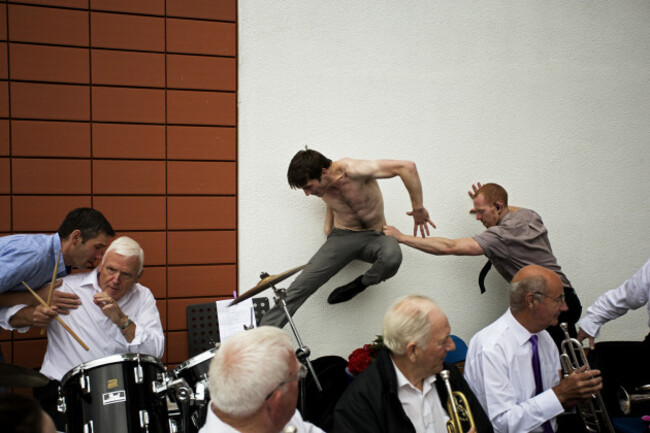
“He got down to his underwear,” Murphy chuckles. “But they never did catch him.”
So… as the perennial outsider, might the world-roving photographer one day settle back in Ireland, having taken an extended taste of what he’s been missing (all of Murphy’s siblings, including his sisters who first encouraged him to move to London in the late 70s, have settled here) these years?
“I could. I could see myself settling here. But I’d have to be able to travel,” is the considered reply.
For sure the country’s changed though. It’s a far more interesting place than it was when I grew up.
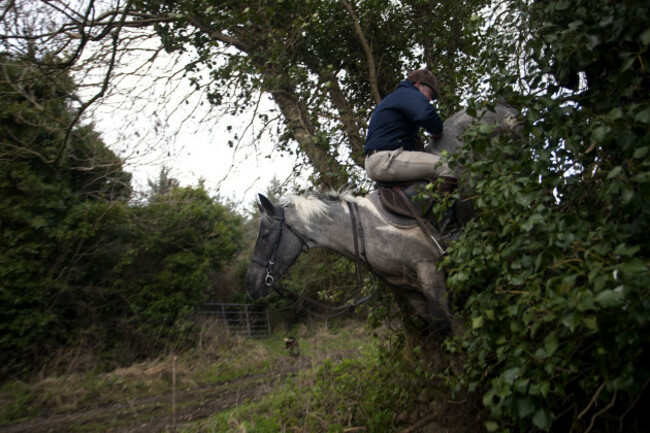
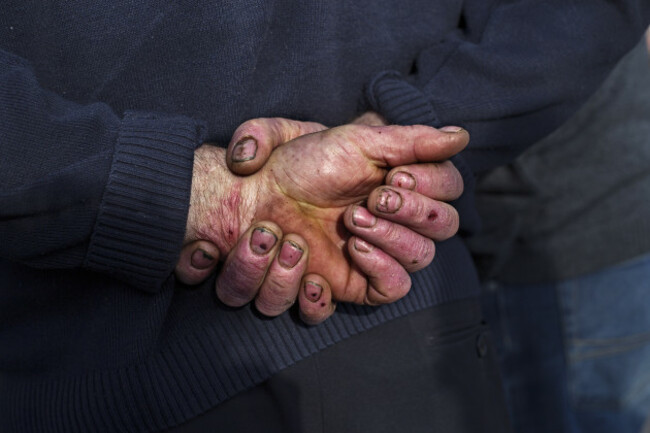
Home Is Another Place runs at the Little Museum of Dublin until 26 February

To embed this post, copy the code below on your site










have your say