TheJournal.ie uses cookies. By continuing to browse this site you are agreeing to our use of cookies. Click here to find out more »
Dublin: 12 °C Monday 20 May, 2013

TCD scientists help major new study on immune system

Irish researchers were part of a pan-European study which may lead to new ways for treating infectious diseases.

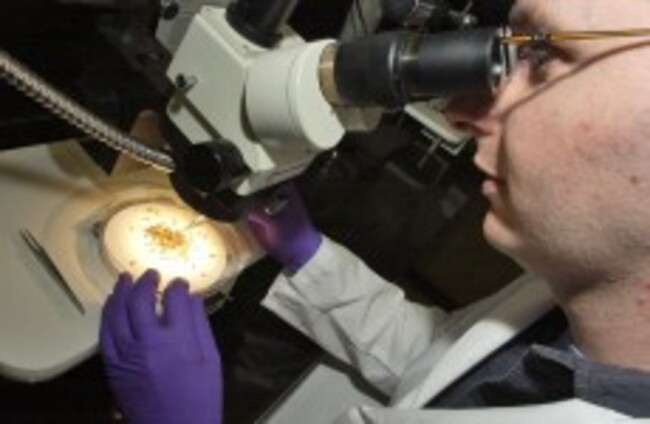
Image: [File photo] Lisa Poole/AP

IRISH RESEARCHERS assisted in a major pan-European research project which may form the first step in formulating new ways to treat highly infectious diseases.

The biochemists from Trinity College in Dublin participated in a study led by researchers from Austria, identifying previously unknown ways in which viruses can manipulate the immune system to hinder a recovery.

The multi-disciplinary study included immunologists and bioinformaticians from across Europe, and is the most comprehensive study of its kind anywhere in the world to date.

The study, details of which have been published in the academic journal Nature, analysed the strategies used by over 30 viruses – including influenza, herpes and Hepatitis C – to target the defence networks which are already built into human cells.

70 different viral genes, which were known to manipulate the human immune response, were inserted into human cells – revealing for the first time the wider arsenal of tricks used by many of the viruses to stop the body from fighting them off.

The findings could ultimately lead to the development of a new breed of therapies for some of the infections studied, and prompt a radical rethinking of how infectious diseases can be treated.

TCD’s head of immunology, Professor Andrew Bowie, said the findings showed that viruses “target a much wider array of cellular processes than was previously anticipated”.

“At least some of these cellular processes will have important but previously unrecognised anti-viral roles,” he said. “Follow-on studies in our lab and others will reveal new anti-viral immune defences operating in human cells.”

Bowie said that because the various viruses had shown both common and unique traits, the findings could help to influence both the general treatment of infections, and come up with further ways of tackling specific viruses.

Read next:

Add New Comment