Sign in. It’s quick, free and it’s up to you.
An account is an optional way to support the work we do. Find out more.
Sign in. It’s quick, free and it’s up to you.
An account is an optional way to support the work we do. Find out more.
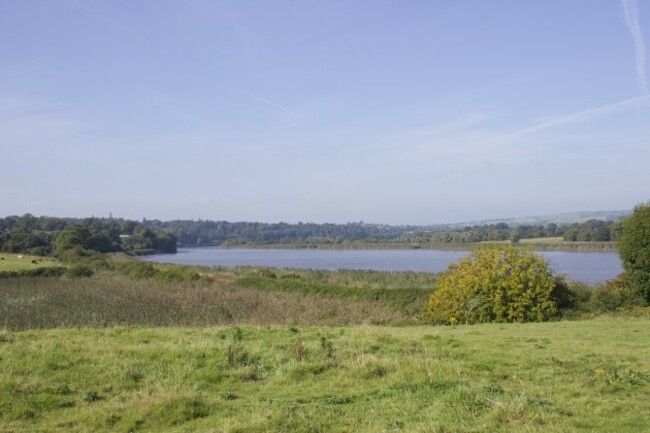
IT’S A MODEST-LOOKING field lying alongside the River Suir, but this site in Co Waterford has been hailed by scholars as one of the most significant archaeological discoveries ever made in Ireland.
This site at Woodstown – uncovered in 2003 by archaeologists along the proposed route of the Waterford City bypass – holds the remains of a 9th century Viking settlement.
A new publication and accompanying audiobook that detail the remarkable discovery will be launched tonight (Tuesday, 4 November) in the Waterford Treasures Medieval Museum in Cathedral Square in Waterford city.
Archaeologist Neil Jackman, author of TheJournal.ie’s Heritage Ireland series, explains the findings at the site:
A large number of archaeological features like the remains of houses, and areas of metalworking were discovered all surrounded by a large ditched enclosure. The remains at Woodstown date to the ninth century, early in the story of the Vikings interaction with Ireland.The date traditionally viewed as the beginning of the Viking Age in Ireland is 795 AD, when the Annals of Ulster record an attack by the gentti or ‘pagans’ on Rathlin Island off the north coast of County Antrim, this heralded a series of raids at monastic sites and settlements around the Irish and British coasts.The reason for this sudden aggressive expansion and raiding is not completely clear, however it is possible that it is the result of a combination of factors like advances in ship design, navigation, a desire for wealth and status and perhaps through pressure brought about by an expanding population in their homelands.The excavations at Woodstown give us important insights into the establishment of permanent Viking settlement in Ireland and how the Vikings moved from raiding to trading, and reveal a wealth of information about Viking craft, metalworking, and boat building. Pieces of silver and a large number of lead weights are direct evidence of the presence of Viking traders at the site.
The finds from Woodstown reflect the range of the Viking trading networks in the ninth century and include pieces of Irish-made jewellery, amber from the Baltic, and even silver coins minted in Iraq were discovered.
One of the most important discoveries at Woodstown was that of a richly furnished Viking warrior burial.
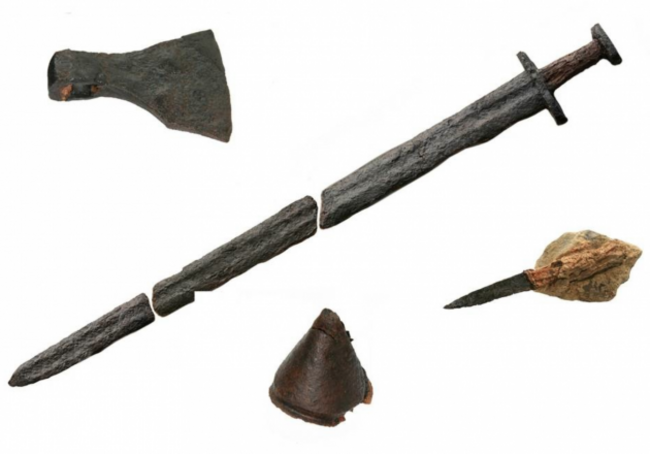
The objects found in the grave included symbols of his status as a leader in the community; his sword, spear, axe and shield, as well as smaller personal belongings. These objects are on permanent display in Waterford Treasures at Reginald’s Tower.
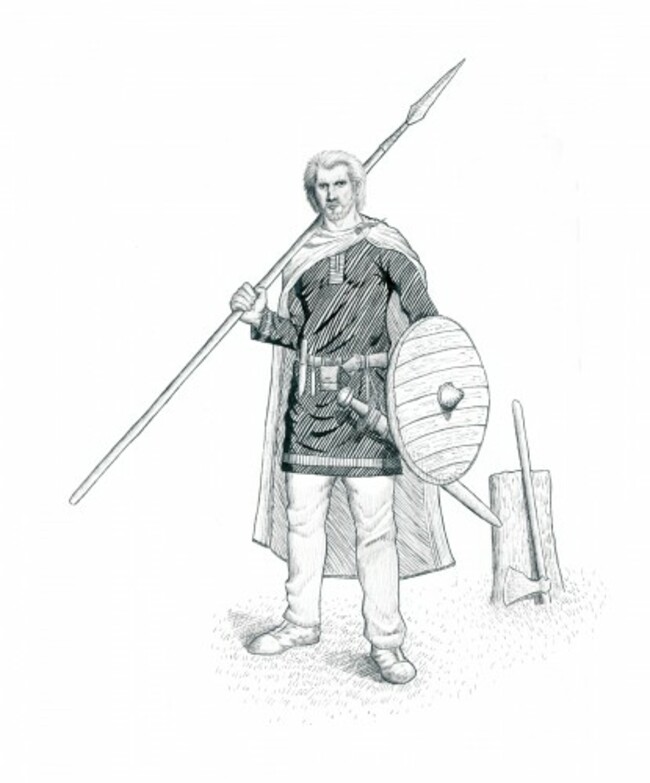
The publication of the guides to Woodstown coincides with a year of celebration of Waterford’s Viking heritage (it is marking the 1100th anniversary of the 914 AD founding of Waterford city).
The excavations at Woodstown show that even before 914, Vikings were making their presence felt on the banks of the River Suir.
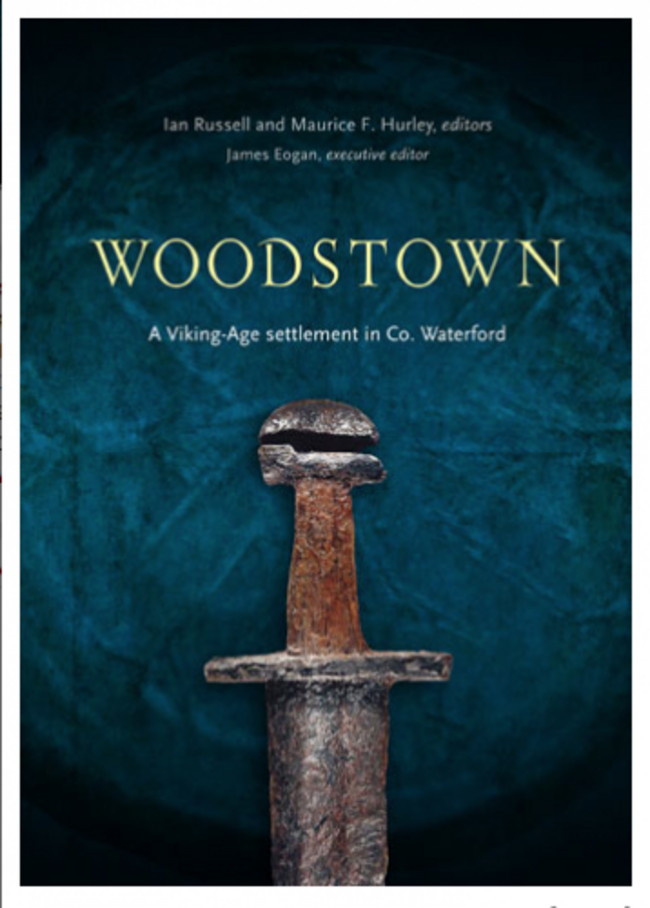
The new publication by Four Courts Press – Woodstown: A Viking Age Settlement in County Waterford – is edited by Ian Russell and Maurice F Hurley. It contains indepth analysis of the site and its artefacts by a variety of international experts who look at what the remains can reveal about the Vikings in Ireland.
The publication has a companion free-to-download audioguide that gives an accessible account of the excavations, using music and sound effects to give listeners a sense of everyday life in the Woodstown Settlement.
All are welcome to the launch this evening. The book can be bought here and the free audiobook downloaded here.

To embed this post, copy the code below on your site















have your say