Sign in. It’s quick, free and it’s up to you.
An account is an optional way to support the work we do. Find out more.
Sign in. It’s quick, free and it’s up to you.
An account is an optional way to support the work we do. Find out more.
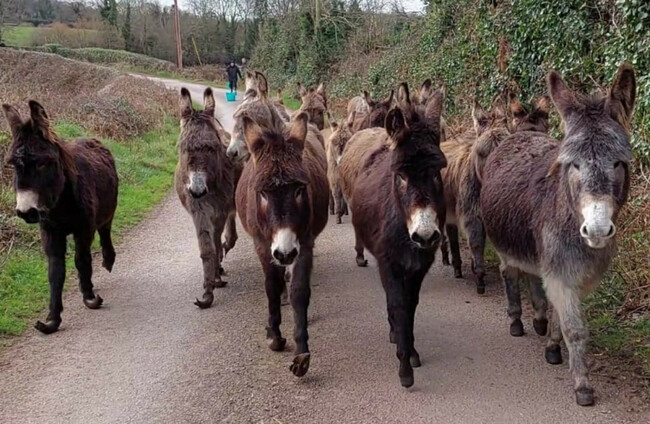
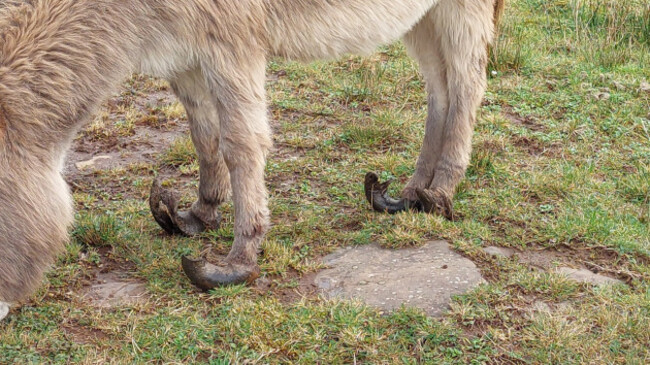
AN ANIMAL WELFARE charity has described the discovery of 20 donkeys abandoned in a field in Galway as a “shocking case of neglect”.
The Donkey Sanctuary Ireland said the case is a “significant moment” amid a deepening donkey welfare crisis in Ireland.
In a statement shared on its website, the Cork-based organisation said that four pregnant mares and three foals arrived at the sanctuary in March after a “complex rescue operation”.
Four of the donkeys had to be euthanised on health and welfare grounds, while one of the donkeys had already died.
The charity said that eight of the donkeys remained on-site, and in the last two weeks, have been rescued and rehomed after receiving medical attention.
Laura Foster, director at The Donkey Sanctuary Ireland, described the case as “a significant moment, but not unexpected”.
“We have been talking publicly for some time about the unsustainable demand for our welfare services, which now far exceeds our capacity for sanctuary-based care,” she said.
“With over 1,700 equines in our care, we must be able to focus on caring for their needs, as well as doing what we can to prevent and end suffering in the community.”
“Although we expect the Galway case to be the last time we are able to bring new donkeys into our care for the foreseeable future, we will be as busy as ever providing support, advice and rehoming services to donkeys across Ireland.”
Foster said that prevention and legal deterrents are the “only sustainable solution” for all agencies involved in animal welfare.
“We will be increasing our education and support activities to reach as many donkeys as we can. However, this work can only be effective alongside robust law enforcement, which is why our relationship with government veterinary inspectors, the Gardaí, and the ISPCA, is so important,” she continued.
“We must also tackle the donkey population issue through castration and effective end-of-life decision-making. Too often, we see suffering that could have been prevented or stopped much sooner.
“Unfortunately, had we been contacted a lot sooner, this case could have been dealt with, and due to unmanaged breeding, there would have been eight fewer donkeys involved. Intervention is a key step to a positive outcome.”

To embed this post, copy the code below on your site












have your say