Sign in. It’s quick, free and it’s up to you.
An account is an optional way to support the work we do. Find out more.
Sign in. It’s quick, free and it’s up to you.
An account is an optional way to support the work we do. Find out more.
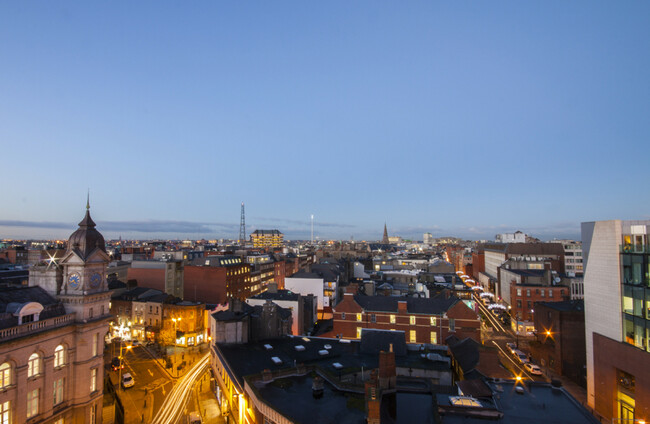
NOT REALLY TOO sure where you might stand in 2018 as a homeowner, renter or someone trying desperately to get their foot on the property ladder?
Understanding the ever-changing world of property and what dictates how and where we live can be a complicated feat, so we wanted to offer some clarity.
In the second of a two-part series, we speak to economist Ronan Lyons who gives us a broad idea of how we’ll be renting, buying and living in houses in 2018. (Check out what he had to say about 2017 here.)
Here’s whats in store for the property market in 2018, according to a market expert…
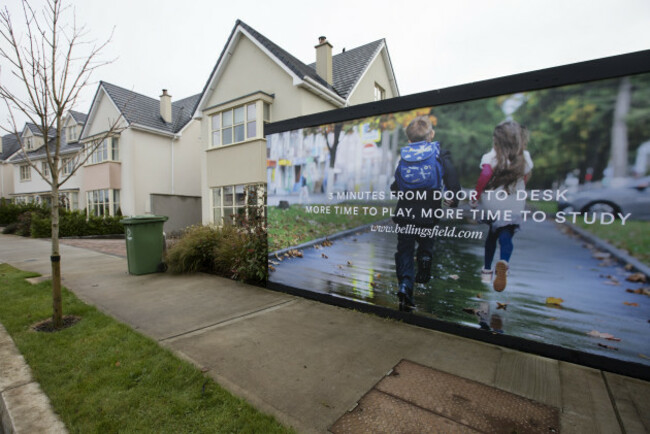
Hoping that 2018 might see the end of ever-increasing rent and house prices? Unfortunately not, reveals Lyons:
I think we’re still going to see a very weak supply given the strong demand in the market at the moment. This will happen in both sales and rental, in urban and rural areas . We expect prices to go up between 5% and 10% across the board.
It’s all to do with the stark lack of new builds, as Lyons explains:
The country needs close to 50,000 homes a year, and we’re currently getting a quarter of that. Even if construction rose to 25,000, it’s not going to lead to a flooding of the market.
As we saw last week, Brexit has already had the impact of creating uncertainty in Ulster, particularly in Donegal, but it will have an effect further south in our capital too, predicts Lyons:
Brexit will likely mean more jobs in Dublin as international companies relocate their businesses outside of the UK, which will put even more pressure on the rental market there.
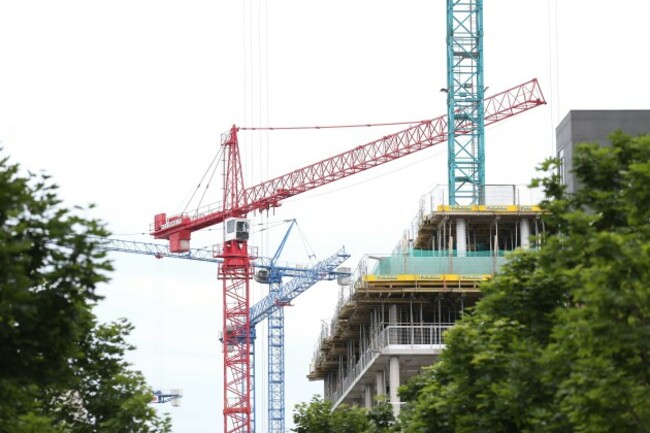
Noticed more high-end apartment complexes popping up? They’re not all strictly for young urban professionals, as Lyons notes – in fact, their prime audience is older couples who are downsizing:
In 2017, we saw the construction of empty nester apartments – four or five-floor apartments in high-end suburbs like Blackrock, Terenure and Rathgar which have been a success. We may see more of that.
Could this take the pressure off the housing market a little? “It won’t solve everything, but it does free up family homes from the over-sixties for younger families,” Lyons says.
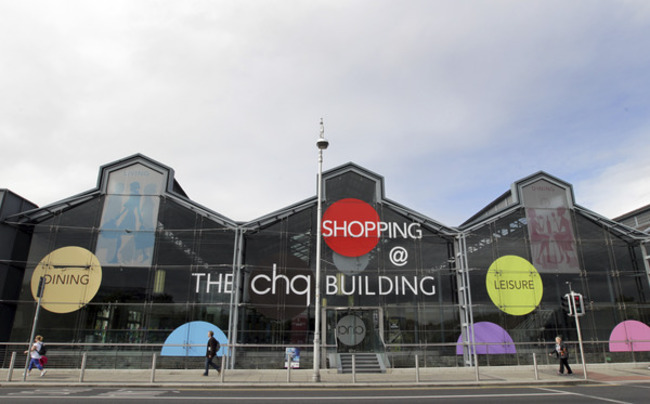
All those ivy-covered, abandoned buildings on the likes of Dublin’s Leeson Street and Harcourt Street may be pretty, but they indicate a lack of clarity around ownership, and a policy that isn’t as efficient as it could be, warns Lyons.
However he points to an “obvious” incentive the government could employ:
You just need to tax land properly. If property tax was raised overall, but lowered for occupied buildings, it would be an easy way to get around that problem.
How do other countries tackle this problem?
In other countries you would have a much higher property tax – it could be €3000 rather than €300, which encourages people to use a property they own rather than leaving it empty.
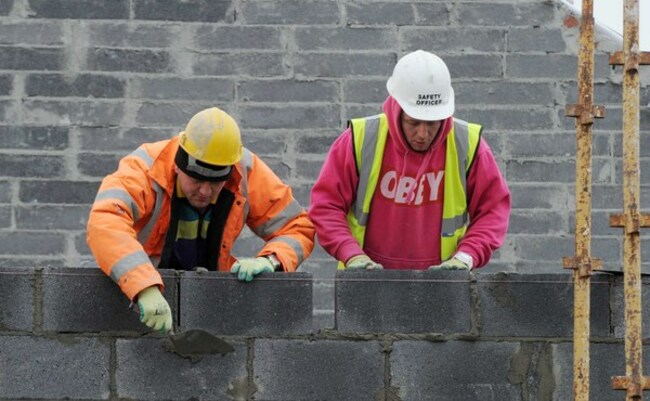
Although the emphasis this year may have been put on building social housing, Lyons says there’s an underlying issue we’re missing – the cost of construction:
The single most important barrier to housing supply is the cost of building and how we use land. Until the cost of euro you spend per square metre is lowered to in-line with our incomes, even more social housing may not have an effect.
In fact, not even the Government are entirely sure of this figure, says Lyons:
We don’t have an idea yet of how much it costs to build, for example, a two-bed home in relation to other countries. The Government doesn’t have full clarity on this. How can we solve a problem that we don’t fully understand?
In Lyons’ view, the best solution is an audit of construction costs, to figure out where reductions can be made and why costs are so high as they are.

To embed this post, copy the code below on your site









have your say