Sign in. It’s quick, free and it’s up to you.
An account is an optional way to support the work we do. Find out more.
Sign in. It’s quick, free and it’s up to you.
An account is an optional way to support the work we do. Find out more.
FINDING THE RIGHT car for your needs, lifestyle and budget can be a tricky process. We want to help streamline the search. As part of our Insights series, every week we’ll take a different car-buying question to the experts at the heart of the motor industry.
This week, we asked Alan Cooney, Dealer Principal at Cooney Nissan in Roscommon to weigh in on a common car-buying dilemma: choosing between a manual and an automatic transmission.

In technical terms, a vehicle’s transmission powers the engine by veering the gear ratios as the vehicle moves, increasing or decreasing the power available. With a manual transmission, a driver manually selects those gears, but with automatic it’s done for them.
Historically, Irish drivers were rarely exposed to automatic gearboxes, but change is in motion, as Alan notes:
Currently the landscape is 90 per cent manual in Ireland, but there’s been an uptick in the number of people choosing automatic in recent years. I see the balance settling at around 60 per cent manual, 40 per cent automatic eventually.
If you’re confused about the differences, here’s Alan’s take on the six questions you should ask yourself before deciding on automatic or manual…
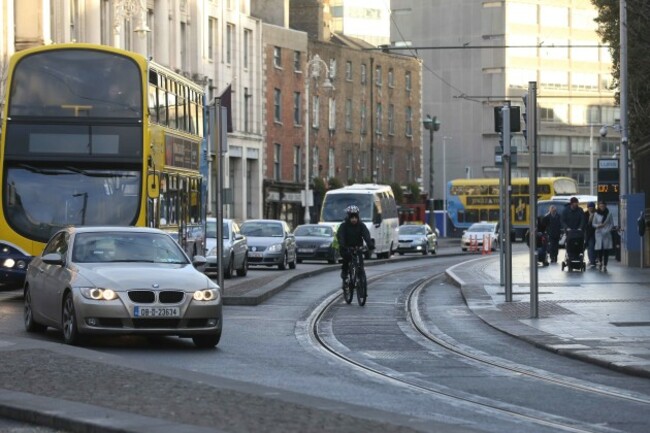
From a handling perspective, an automatic transmission is easier to use, because the driver is not responsible for controlling the gears or for changing them at the optimum time.
City driving and heavy traffic can be very stop-start, and that’s when the ease of an automatic transmission really shines in my opinion. Equally for someone who is hopping in and out of the car a lot – a courier, for example – it can save a lot of hassle.
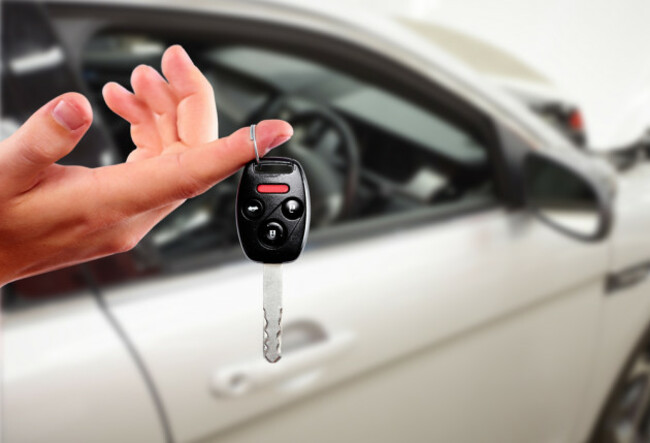
The most obvious difference between a manual and automatic transmission is the vehicle purchase price. You can expect to pay from €1,500 to €3,000 less for a manual car.
With upkeep and fuel costs, the difference is less stark. A manual car will probably need fewer oil changes, saving on maintenance fees.
In terms of fuel efficiency, manuals were previously accepted as being better value, but advances in automatic transmission manufacturing- particularly with electric and autonomous vehicles – mean the opposite is becoming true.
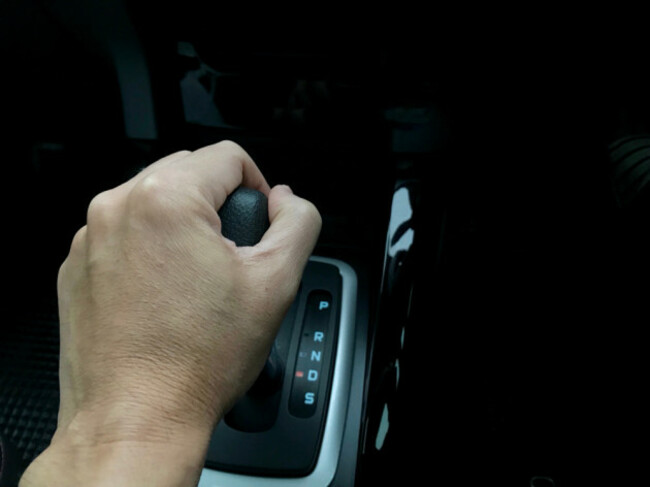
If the main portion of your car use is for long journeys away from heavy traffic, you may find a manual is sufficient for your needs. On a long trip you’ll be predominantly in fifth or sixth gear and won’t be shifting down through the gears all that often.
However if you drive a lot in hilly areas, an automatic will work in your favour, as you’ll dramatically reduce the risk of the vehicle stalling during a hill start, making your driving experience easier.
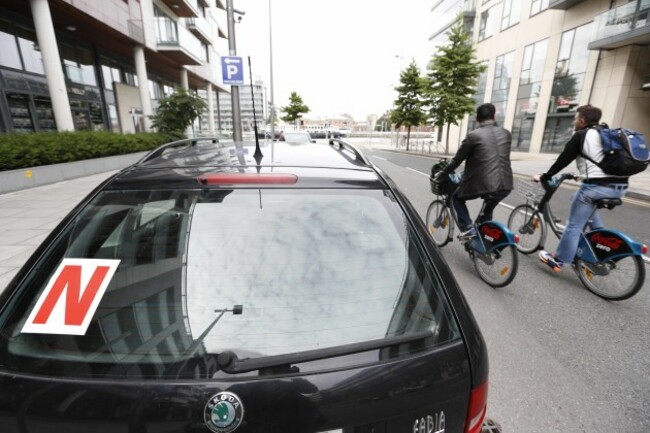
The trickiest part of learning to drive to getting to grips with the gears. You have to take one hand off the wheel while still maintaining control of the car, you have to operate the clutch correctly, and you have to figure out the right moment to shift between gears.
With an automatic car, that challenge is removed. However it’s worth noting that if you do your driving test with an automatic car, you’ll only be licensed to drive an automatic car, which might restrict you down the line.

Anyone with back pain or mobility problems should favour an automatic transmission. Extending your left leg out and back in as you depress and release the clutch can really aggravate those kinds of problems, and an automatic transmission removes that need.
Additionally, switching to automatic can give an elderly or more mature driver five to ten more years of driving longevity. As we get older and our reflexes slow down, a manual car becomes more difficult to operate efficiently.
Motoring enthusiasts will tell you that there’s ‘more driving’ with a manual transmission. It’s true that there’s better integration with a manual, as you’re the one in control of the gears and the engine power.
To me, choosing the right transmission is like picking a pair of shoes. It’s all dependent on the fit. Once you have a good idea of your needs and your circumstances, the choice should be simple.

To embed this post, copy the code below on your site




have your say