We need your help now

Support from readers like you keeps The Journal open.

You are visiting us because we have something you value. Independent, unbiased news that tells the truth. Advertising revenue goes some way to support our mission, but this year it has not been enough.

If you've seen value in our reporting, please contribute what you can, so we can continue to produce accurate and meaningful journalism. For everyone who needs it.

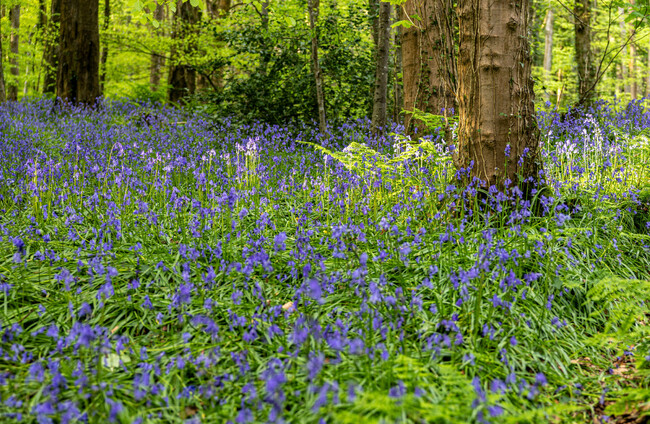
Spring is on the way. Alamy Stock Photo

Imbolc Why regenerative tourism matters, even in an unsettled world

Niall and Inez Heenan of Fuchsia Lane Farm in Tipperary outline how small acts of regeneration can restore people, place and community at this time of year.

Ó La ‘le Bríde amach,
Bíonn na héin ag déanamh nead,
Bíonn na caoirigh ab beith na n-uan,
Is an lá ag dul i bhfad.

AS WE APPROACH Imbolc and the heralding of Spring, we are looking forward to another season of returning guests, possibilities and engagement with new guests, as yet unknown, who will hopefully become friends of Fuchsia Lane Farm and all that occurs here.

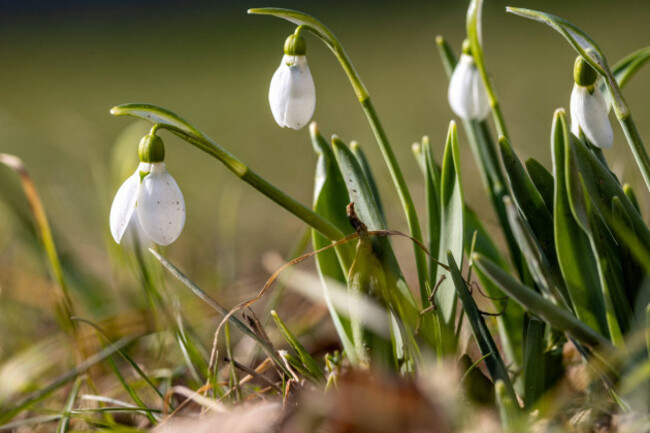
These days see increased daylight, some solar gain for a few hours on those rare bright days and this week we noticed pluriníní sneachta — snowdrops, emerging as the vanguard of the reawakening nature that sustains us all, even when we don’t notice. This brings a little moment of joy and hope for what might emerge in the coming weeks and months.

Thinking about what we do and why we do it is never far from our minds. We have our vision for our business and how it can be a place of renewal, regeneration and learning for others.

Our actions around our rural tourism enterprise are rooted in our very beginning back in the mid ‘90s and this was influenced by studies in UCD in the areas of Rural Tourism and Rural Development.

schneeglockchen-im-januar-schneeglockchen-bluhen-im-sonnenschein-auf-einer-wiese-oberursel-hessen-deutschland-snowdrops-in-january-snowdrops-blooming-in-the-sunshine-on-a-meadow-oberursel-hess Snowdrops. Alamy Stock Photo Alamy Stock Photo

At that time, sustainability was emerging as a concept and possibility in tourism. At that time, our views were more in the area of eco-friendly practices, connecting with place, use of local materials, labour, etc., so that the rural economy would benefit, and income would accrue locally.

As we progressed through definitions of sustainable tourism, eco tourism, climate friendly actions, etc., we now find ourselves appreciating the term Regenerative Tourism, although it can also be viewed as imperfect!

Doing what we can

Hope can be a challenge when we reflect on the world at the moment, especially as we find ourselves connected directly to so many people and places as a result of being in business here for so many years.

We think of our friends in Minneapolis at the moment, and also other connections with vulnerable peoples across the world. We recoil at the thoughts of global efforts to dismantle climate change agreements, and hurdles being placed in the way of clean energy options that we all know work so well.

Allied to this is the increasing violation of human rights across the globe. Meanwhile, offering a regenerative rural retreat might seem insignificant, but for our guests and us, it is a place to be restored, replenished and renewed.

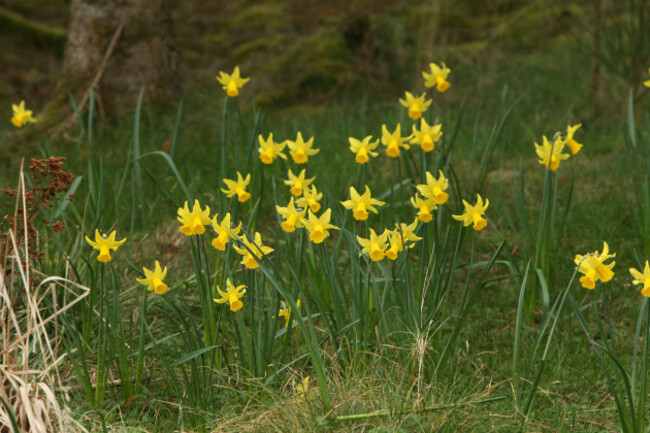
longford-ireland-14th-march-2025-wild-daffodils-growing-in-an-area-of-woodland Alamy Stock Photo Alamy Stock Photo

We are focusing on what is within our control in our business here at Fuchsia Lane Farm in terms of authentic hospitality, leadership training and coaching, vernacular accommodation, biodiversity, rewilding, carbon reduction, waste and water reduction, and energy management — albeit with imperfections.

We access resources from where we can to ensure what we do adds to biodiversity, reduces our reliance on fossil fuels, and creates spaces that are supportive for visitors, enabling them to build their capacity and resilience in a world that appears chaotic. Some of our actions might encourage others. We communicate, encourage and inform our guests on the ‘right thing to do’, and although this is only a drop in the ocean, drops can cause ripples and have an impact — collective action begins somewhere!

Of course, there is the issue of transport, air travel, etc., one of the dilemmas. However, conversations with guests from the US in recent times, where they shed tears about the state of their country, and express how they feel renewed and supported by spending time here, we see our offering as vital.

The term ‘Regenerative’ for us means that when guests spend time here, they have a positive impact on themselves, community and place. Sustainability works well here also as it implies that what we currently have or do, is worthy of sustaining.

We tend to describe it along the lines of ‘by having people stay here, they add value to the place and the environment, and we provide them with opportunities to reflect and consider their own actions’.

So, if someone takes time in nature, helps plant a tree, buys into our philosophy of ‘living like a local’, cycles and exercises more, enjoys our farm land and its stories, uses public transport, etc., these are positive impacts that might not have happened if they stayed elsewhere.

Ní neart go cur le chéile

Niall and Inez Heenan run Fuchsia Lane Farm in Tipperary, a family farm that focuses on Sustainable Tourism, Group Retreats, Leadership Training and Coaching. More at Fuchsia Lane Farm on LinkedIn and Instagram.

Readers like you are keeping these stories free for everyone...
A mix of advertising and supporting contributions helps keep paywalls away from valuable information like this article. Over 5,000 readers like you have already stepped up and support us with a monthly payment or a once-off donation.

Close
JournalTv
News in 60 seconds