We need your help now

Support from readers like you keeps The Journal open.

You are visiting us because we have something you value. Independent, unbiased news that tells the truth. Advertising revenue goes some way to support our mission, but this year it has not been enough.

If you've seen value in our reporting, please contribute what you can, so we can continue to produce accurate and meaningful journalism. For everyone who needs it.

“The pace can be intense, but my work is dynamic”: Behind the scenes as a qualified engineer

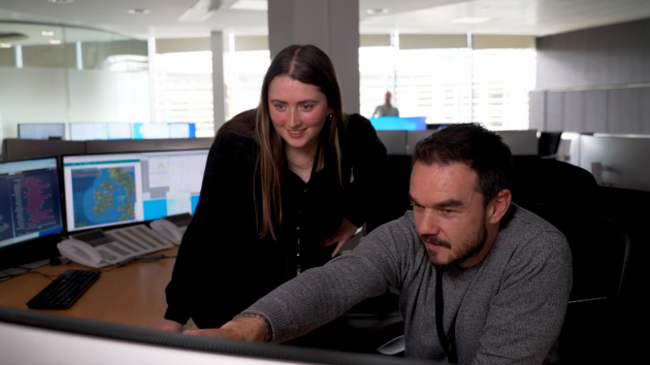
As part of Engineer’s Week, we wanted to explore what an engineer does day-to-day in Ireland’s National Control Centre.

THERE’S SOMETHING ABOUT studying engineering that makes you an engineer whether you work in the field or not. It’s less of a job and more of a vocation – or even a philosophy. With Engineer’s Week being celebrated 28 February – 6 March 2026, we took a closer look at what daily life really looks like for a professional engineer working at the heart of Ireland’s electricity system.

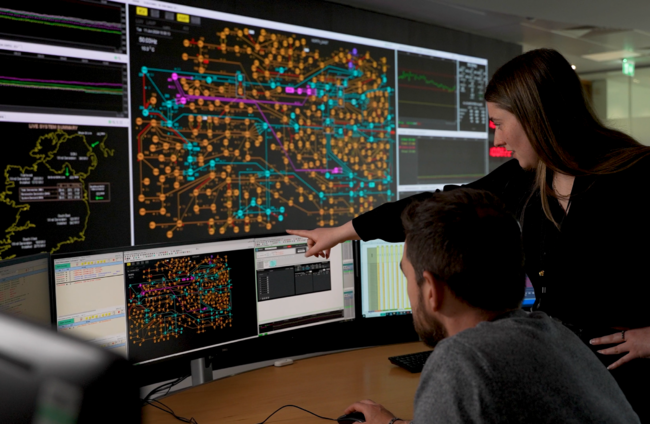
When Ireland’s electricity grid faces peak demand, unexpected outages or sudden shifts in supply, it is the engineers inside the National Control Centre (NCC), operated by EirGrid, who step forward to keep the country powered 24-hours a day, 365 days a year.

Among them is Clodagh Hennigan, a passionate senior engineer working within EirGrid’s system operations team. Like many across the organisation, Clodagh’s role is uniquely tied to EirGrid’s responsibility as Ireland’s transmission system operator. Engineers here come from a diverse mix of academic disciplines, backgrounds and experiences, all contributing to the safe and reliable operation of the grid.

Clodagh has taken on additional responsibility by qualifying to complete relief shifts in the NCC, supporting full-time grid controllers during peak periods and system events.

Dynamic and demanding

“Things can change very quickly, and the safety of the system and people working on the system is paramount,” says Clodagh. “The pace can be intense, but what I enjoy most about my work is how dynamic it is. I’m always being kept on my toes – no two weeks are ever the same.”

Unexpected outages or fluctuations in renewable output require rapid assessment and coordinated action. For engineers in the NCC, responding effectively is second nature.

“Learning to delegate work was something, as an early career engineer, I had little experience of until I began working in the NCC. You learn quickly in training to prioritise. Decisions often have to be made quickly, which challenges your technical knowledge and your ability to work well under pressure.”

From her position in the control centre, Clodagh sees first-hand how external factors influence the system.

“You see how weather, policy and even public behaviour affect demand. The role of EirGrid is unique in Ireland: nobody else does what we do. Day-to-day, people generally don’t think about how or where their electricity comes from, but we are always there in the background ensuring a constant, safe and reliable source of electricity at every minute of the day, so it’s where it needs to be when it’s needed.

“At the NCC we see live data, frequencies, interconnector flows and renewable forecasts, but behind each of those data points are homes, hospitals and businesses depending on us.”

From graduate to grid

Clodagh’s career began five years ago when she joined EirGrid’s graduate programme after earning a degree in mechanical engineering from the University of Galway. After completing the programme, she moved into the system operations team and began the rigorous process of qualifying for the NCC relief panel.

“It takes between ten to twelve months to qualify as a relief,” Clodagh explains.

The training is intensive and highly structured. It involves completing shadow shifts in the NCC, sitting alongside a full-time grid controller and observing their work in real time. Trainees focus on learning key policies and procedures, while gaining practical exposure to live system operations.

“At the end of each stage a written assignment is submitted, and the trainee completes a Dispatch Training Simulator session. Finally, trainees complete a remote control exam which certifies them to work in NCC.”

Even after qualification, the learning continues. All NCC staff – full-time and relief – must re-certify every two years by sitting an exam, ensuring their knowledge remains current in an environment where change is constant and precision is critical.

Structured processes

Balancing her role in system operations with rostered NCC shifts has broadened Clodagh’s perspective and deepened her understanding of how the grid operates as a whole.

One of the NCC’s main areas of focus is to integrate more renewable energy onto the system – as the Government has set a target for 80% of electricity to come from renewable sources such as wind and solar. EirGrid has worked to ensure it can continue to securely operate the power system with increasing amounts of variable renewable generation over coming years.

 “We have very structured processes in place for many different types of events, and these are simulated throughout the year to make sure things go smoothly when it counts. I am trusted in my work, and my managers really support the team to do what needs to be done.

“There are many incredibly experienced people working across the organisation who will step in during an event, so the system is in very good hands.”


Find more information about EirGrid’s work and career opportunities at EirGrid.

Close