We need your help now

Support from readers like you keeps The Journal open.

You are visiting us because we have something you value. Independent, unbiased news that tells the truth. Advertising revenue goes some way to support our mission, but this year it has not been enough.

If you've seen value in our reporting, please contribute what you can, so we can continue to produce accurate and meaningful journalism. For everyone who needs it.

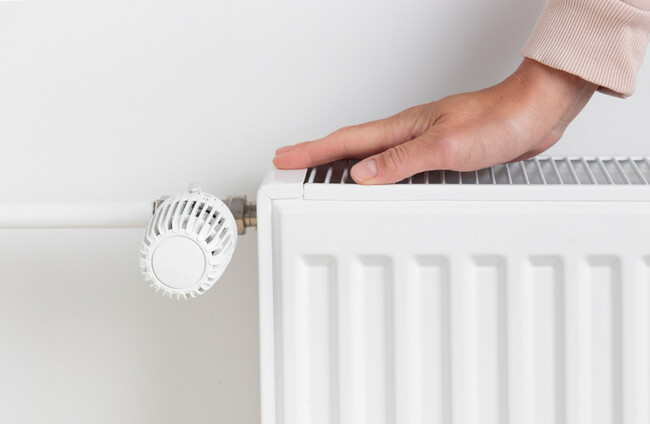
A woman warming her hands on a heating radiator, the concept of conserving heat and energy and the importance of resource management during colder seasons

Home heating emissions fall to lowest level in decades - but transport is still a big problem

Greenhouse gas emissions fell by 2.2% last year.

EMISSIONS FROM RESIDENTIAL buildings fell to their lowest level in over three decades last year – but Ireland is still way off achieving its 2030 target emissions reductions, a new report said.

The Environmental Protection Agency (EPA) released its provisional greenhouse gas emissions 1990-2025 report today. The report compares last year’s emissions to those of the 1990 baseline.

Greenhouse gas emissions fell by 2.2% last year. It’s the third successive year recorded emissions were below the 1990 baseline, and the fourth successive year they have dropped.

The report found that all main sectors saw reductions last year.

In residential, commercial, and public buildings, there was a 4.7% drop in emissions. The EPA attributed this drop to a warmer winter and a decreased use of fossil fuels, noting in its key findings that energy use by heat pumps increased 21.9%.

Emissions from energy generation hit a 36-year low last year, as renewable energy and imported energy grew.

There was a small decrease in agricultural emissions (0.2%), partially due to a 3.3% reduction in the cattle herd, the EPA said, although it noted this was offset to some degree by a 12.7% increase in fertiliser nitrogen.

Emissions from the transport sector fell by 1.5%. The EPA pointed to a 14.9% increase in biofuels – combustible fuel derived from organic matter – as the main reason for the reduction, although the growing number of electric vehicles “curtailed emissions growth” that may have come about from an increased national vehicle fleet and a growing workforce.

Provisionally, Ireland is under its first carbon budget, it said – but transport and energy exceeded their sectoral ceilings by 8.1% and 9.1% respectively.

The sustained drop in emissions is not sufficient to become compliant with national and EU climate targets, which the EPA said will be “very challenging” to meet. Ireland’s national target is to reduce greenhouse gas emissions by 51% from 2018 to 2030. As of 2025, the reduction is 14.5%.

The EPA’s director general Dr Eimear Cotter said the overall drop in emissions is welcome, particularly with a growing economy and population.

“However, with just four years to 2030, Ireland needs to accelerate delivery and achieve much deeper annual reductions to meet our climate targets.”

Cotter said “clear prioritisation” and investment can deliver further reductions. Low-carbon choices should be made practical, affordable, and attractive, she added.

Readers like you are keeping these stories free for everyone...
A mix of advertising and supporting contributions helps keep paywalls away from valuable information like this article. Over 5,000 readers like you have already stepped up and support us with a monthly payment or a once-off donation.

Close
8 Comments
This is YOUR comments community. Stay civil, stay constructive, stay on topic. Please familiarise yourself with our comments policy here before taking part.
Leave a Comment
    Submit a report
    Please help us understand how this comment violates our community guidelines.
    Thank you for the feedback
    Your feedback has been sent to our team for review.

    Leave a commentcancel

     
    JournalTv
    News in 60 seconds