Sign in. It’s quick, free and it’s up to you.
An account is an optional way to support the work we do. Find out more.
Sign in. It’s quick, free and it’s up to you.
An account is an optional way to support the work we do. Find out more.
LAST UPDATE | 22 Feb 2024
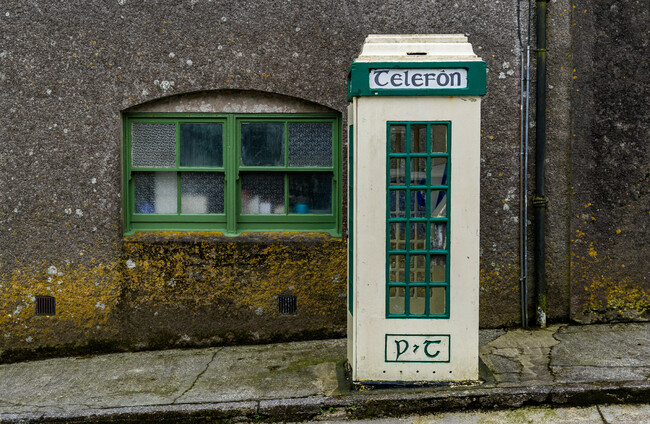
ALMOST 100 YEARS after they first appeared on Irish streets, Eir has announced that the last of Ireland’s remaining payphone boxes will be disconnected over the coming months.
It’s expected the last of the boxes could be deactivated by the end of the year.
Payphone boxes were a familiar sight over the past century, serving the public long before mobile phones became a thing and getting Irish chins wagging at a time when landline phones were scarce in homes.
At their peak, there were close to 3,300 payphone boxes across the Irish landscape, complemented by over 5,000 indoor units.
But in 2009, Eir removed almost 2,000 payphones as part of a rationalisation programme.
The Universal Service Obligation (USO) which required Eir to operate and maintain public payphone boxes was then removed in 2020 due to a steady decline in usage.
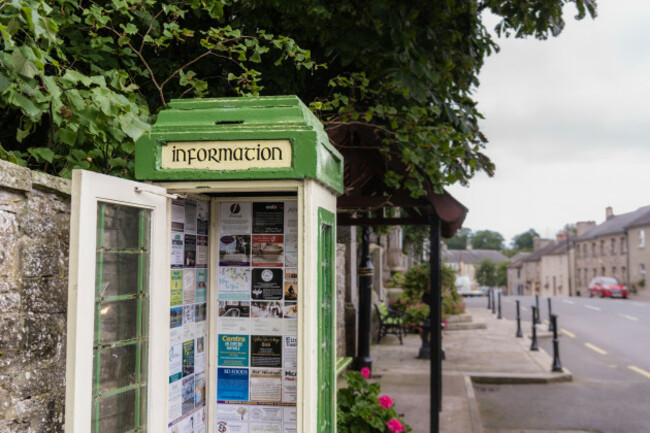
However, since the removal of the USO, Eir has implemented programmes to repurpose this legacy infrastructure and retain the space for community services where possible.
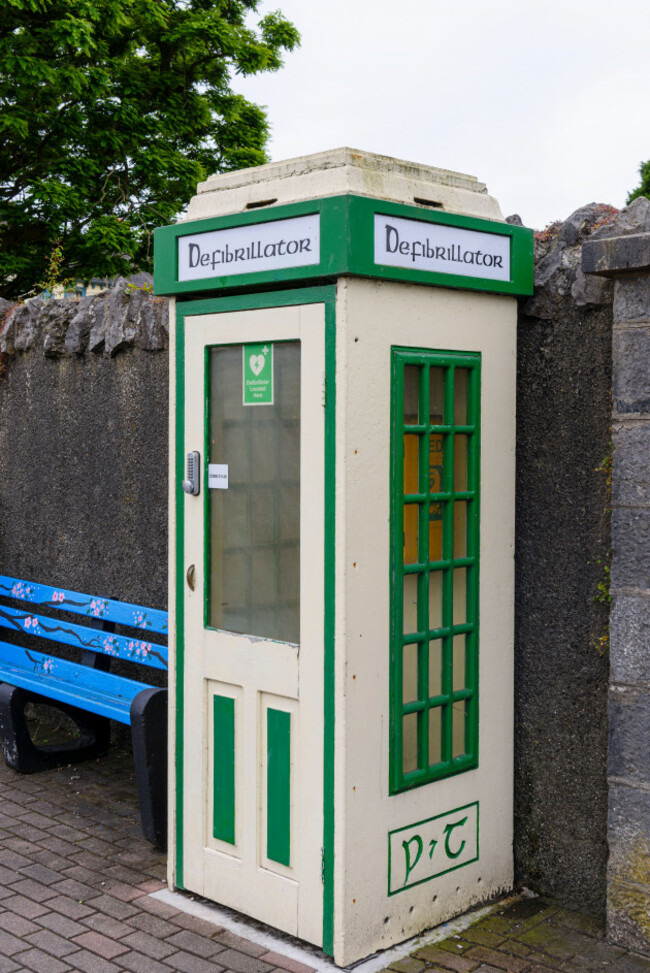
For example, six of the concrete Posts & Telegraphs (P&T) kiosks now house defibrillators and one in Co Roscommon has even been transformed into a religious shrine.
Eir has also transformed some of these kiosks into rapid electric vehicle charging stations – 76 have been installed to date, with an additional 66 on the way.
Meanwhile, 60 payphones have been transformed into digital kiosks that act as an information system for the local authorities services, including mapping systems for visitors and locals.
Of the 105 remaining kiosks, 11 will become digital kiosks, while the other 94 are set to be removed by the end of the year.
In tribute to the end of the payphone era, Eir has restored a 100-year-old ‘K1′ kiosk.
This was the first type of payphone box introduced in Ireland and the restored version will be donated for a public exhibition later this year.
The kiosk is one of only seven known examples in Ireland or the UK and will be donated to preserve this part of Irish heritage.
CEO of Eir, Oliver Loomes, said today that the “public payphone was an important part of our lives for generations” and said it is fitting that to mark this with a “carefully refurbished original phone box”.
He added that Eir has taken “deliberate steps in collaboration with communities and local authorities to thoughtfully transition this legacy infrastructure”.
Loomes remarked that the goal since the removal of the Universal Service Obligation has been to find the best ways to repurpose or preserve these kiosks.
He said: “We are pleased that more than 200 sites will now keep people connected via new digital kiosks or electric car charging points.”

To embed this post, copy the code below on your site














have your say