We need your help now

Support from readers like you keeps The Journal open.

You are visiting us because we have something you value. Independent, unbiased news that tells the truth. Advertising revenue goes some way to support our mission, but this year it has not been enough.

If you've seen value in our reporting, please contribute what you can, so we can continue to produce accurate and meaningful journalism. For everyone who needs it.

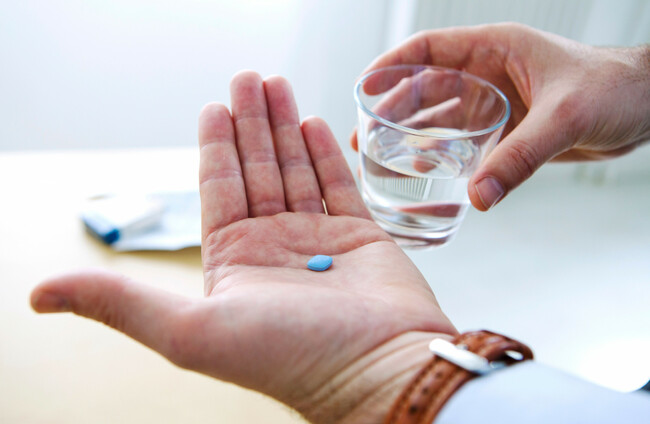
Ireland is one of the world's most significant producers of several high-profile pharma products. Alamy Stock Photo

Botox and Viagra: Are Ireland’s most famous pharma exports safe from the impacts of tariffs?

Other well known drugs exported from Ireland include panadol and insulin.

ARE IRELAND’S MOST well-known pharma exports safe from the impacts of tariffs, or could products like Botox and Viagra face price hikes in the US?

Ireland is one of the world’s most significant producers of high-profile pharma products like Viagra, which is made in Ringaskiddy, Co Cork by Pfizer, and botox, produced in Westport, Co Mayo by AbbVie.

Other well known drugs exported from Ireland include panadol and insulin.

On Wednesday, US President Donald Trump announced a suite of new tariffs, including a 20% rate on many EU products exported to the States. Around €4.2 billion worth of trade between the EU and the US will be impacted on a daily basis.

However, pharmaceutical products were excluded from the new tariffs for now – but it’s expected that the sector could potentially be slapped with further charges on exports to the US in the future.

Pharmaceuticals account for about 60% of all of Ireland’s exports to the US.

Speaking on RTÉ Radio One’s Morning Ireland today, Taoiseach Micheál Martin said that he has “been in touch with quite a number of multinational companies on the pharma side”. 

“This may be a reprieve, but there’s a lot of work going on between pharma and the US administration in terms of the supply chain and in terms of cost of medicines to US citizens. It’s not simple,” he said.

Trump and members of his administration have pointed several times to Ireland’s pharmaceutical industry as an example of a sector where he feels the US has been put at a disadvantage.

He’s eager to see lucrative pharmaceutical multinationals put down more roots in the US instead of basing operations abroad in countries like Ireland.

But any shift like that in the sector would happen very slowly it it does at all, according to industry expert Matt Moran.

Speaking to The Journal, Moran, advisor to SIA Partners, said that although a tariff or tax of some type is likely, when it happens and how companies respond will determine the exact nature of the effects for Ireland and the products it exports.

Moran explained that even if a company wants to move its manufacturing out of Ireland to the US, it would take several years and need to go through significant regulatory hurdles.

“It’s quite a conservative industry – it needs to be because of the products it handles,” Moran said.

“Much of the Botox in the world is made in Ireland. We also have GLP-1 drugs being produced in Ireland. The sheer capacity which is required for these products – you need to have manufacturing plants to supply it, and if you consider what you need to build a pharmaceutical plant… it’s a big investment and companies want to get return on their existing investments,” he said.

“If they want to proceed with building plants elsewhere in the world, the sort of timeline you’re looking at for that billion-dollar investment is about five years. It’s a little bit like an oil tanker – things tend to move slowly in the industry.”

Moran said the pharmaceuticals industry here and the country more broadly should focus attention on innovation and research & development – “that’s the way of securing the industry for the long run” – as well as making it as efficient and sustainable as possible to become “best in class”.

“You can’t manage a government increasing a tariff, but you can manage the innovative capacity of your own industry, so that’s really where I would suggest the industry needs to start looking,” he said.

“The final point is that companies do supply products to the rest of the world – it’s not all just for the USA.”

Readers like you are keeping these stories free for everyone...
A mix of advertising and supporting contributions helps keep paywalls away from valuable information like this article. Over 5,000 readers like you have already stepped up and support us with a monthly payment or a once-off donation.

Close
38 Comments
This is YOUR comments community. Stay civil, stay constructive, stay on topic. Please familiarise yourself with our comments policy here before taking part.
Leave a Comment
    Submit a report
    Please help us understand how this comment violates our community guidelines.
    Thank you for the feedback
    Your feedback has been sent to our team for review.

    Leave a commentcancel

     
    JournalTv
    News in 60 seconds