Sign in. It’s quick, free and it’s up to you.
An account is an optional way to support the work we do. Find out more.
Sign in. It’s quick, free and it’s up to you.
An account is an optional way to support the work we do. Find out more.
BURKINA FASO’S INTERIM president, Michel Kafando, returned to power on Wednesday after a week-long coup that saw leading ministers detained and at least 10 people killed during violent demonstrations on the streets.
International condemnation of the uprising was immediate, with the United Nations, African Union and France, the country’s former colonial ruler, all ordering its leaders to lay down arms.
Following emergency talks in Nigeria, troops agreed to stand down from their positions, and the transitional government was restored, just seven days after the coup began.
Here’s how it all came about.
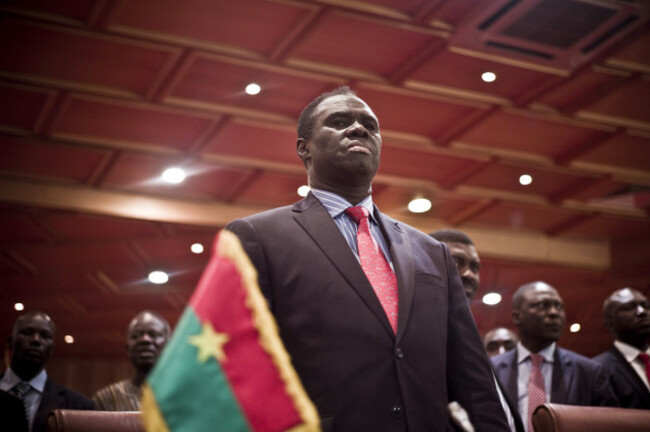
The Regiment of Presidential Security (RSP), an elite unit of around 1,300 soldiers in charge of the president’s security.
The force was created by former president Blaise Compaore, who was removed from power last year after trying to extend his 27-year rule.
The RSP declared power after storming and kidnapping ministers at a meeting of the interim government, which has been charged with running the country until presidential and parliamentary elections are held.
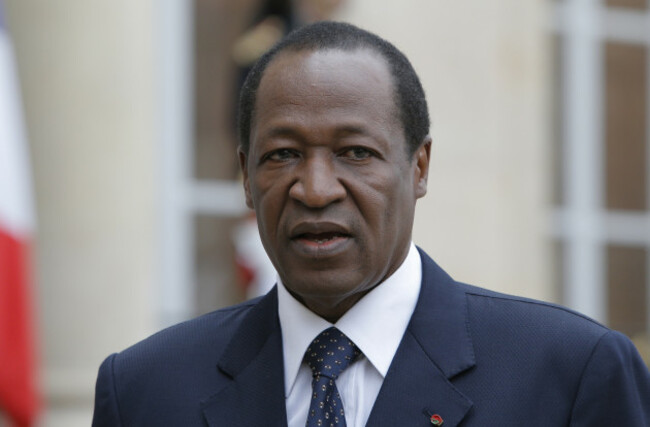
The country’s parliament passed a law earlier this year that banned politicians who had supported a constitutional amendment to scrap term limits from standing for office.
The legislation effectively barred Compaore’s political allies from taking part in an upcoming parliamentary election on 11 October, the first vote since he was toppled.
The RSP retains close ties to the former president and his party, the Congress for Democracy and Progress (CDP), many of whose candidates were disqualified by the law.
The general installed as president during the coup, Gilbert Diendere, was Compaore’s former chief of staff, and his wife, an MP for the CDP, was among those banned from contesting the election.
The RSP was also concerned about its future, having already called for the interim prime minister to resign over plans to reduce its size and pay.
Earlier this month, in a decisive blow, a commission recommended that the unit be disbanded, a call also made by two of the main presidential candidates in the next election.
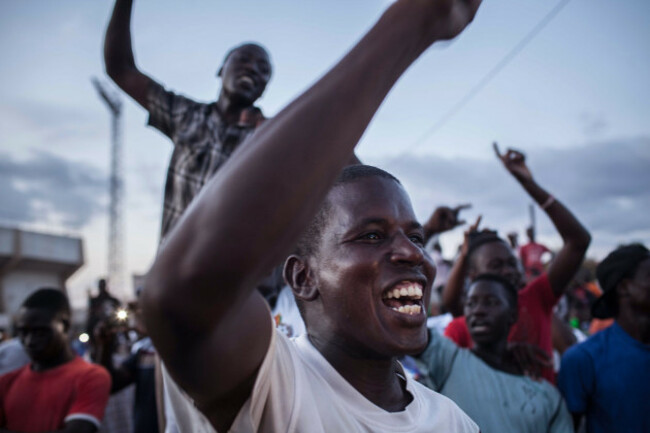
Diendere surprised many when he admitted after emergency talks that the coup “was the biggest mistake”.
“We knew the people were not in favour of it. That is why we have given up,” he said.
Diendere told reporters that he took “full responsibility” for the coup and was “not afraid to face justice”.
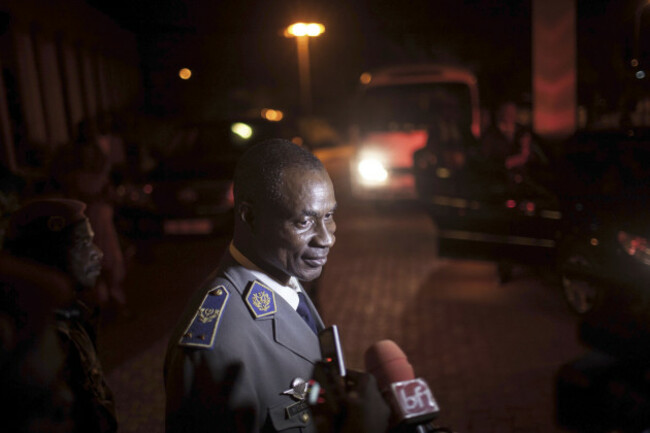
Burkina Faso’s interim cabinet dissolved the RSP at a meeting on Friday, its first meeting since the takeover.
Yacouba Isaac Zida, the interim prime minister, had earlier announced that the coup leaders would not evade prosecution, and on Friday a commission was created to identify those responsible for the uprising.
The upcoming election has been delayed for several weeks, but it remains to be seen whether key RSP demands, including the lifting of an electoral ban on Compaore’s allies, will be fulfilled.
Additional reporting by AFP

To embed this post, copy the code below on your site






have your say