Sign in. It’s quick, free and it’s up to you.
An account is an optional way to support the work we do. Find out more.
Sign in. It’s quick, free and it’s up to you.
An account is an optional way to support the work we do. Find out more.
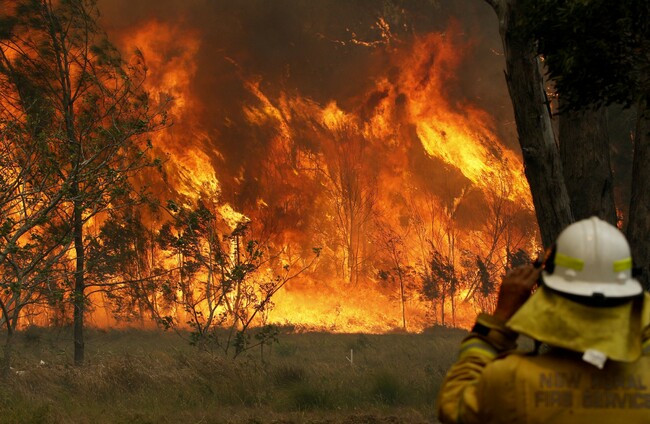
A STATE OF emergency has been declared in Sydney as Australia prepared for a fresh wave of devastating bushfires today.
For the first time, Australia’s largest city and the surrounding area faced the top level of fire warning with authorities warning lives and homes in the region will be “at risk”.
High temperatures and strong winds are expected to create tinderbox conditions tomorrow, which prompted New South Wales premier Gladys Berejiklian to declare a seven-day state of emergency.
“Tomorrow is about protecting life, protecting property and ensuring everybody is safe as possible,” said Berejiklian.
Three people have died, thousands have been displaced and more than 150 homes have been destroyed by dozens of out-of-control blazes to the north of the state.
In the last few months, roughly 11,000 square kilometers – an area larger than Jamaica or Kosovo – has been scorched, according to the New South Wales fire service.
Conditions eased on Monday and some residents were able to return home, although a heavy haze lingered over many fire-hit regions.
More than 350 schools will now be closed tomorrow, while a broad fire ban has been put in place and the military is providing logistic support for firefighters.
“There is nothing built or designed to withstand… catastrophic” conditions, said Shane Fitzsimmons, commissioner of the rural fire service for the state, which encompasses Sydney.
The Blue Mountains to Sydney’s west, the wine-producing Hunter Valley to the north as well as the Illawarra region to the city’s south are expected to be the hardest hit.
Months of drought have sapped moisture from the earth and vegetation across much of eastern Australia, creating dangerous conditions for the outbreak and spread of wildfires.
The severity of the fires so early in the season has sparked arguments about the threat from climate change and fresh criticism of the conservative government’s refusal to curb the use of fossil fuels.
Deputy Prime Minister Michael McCormack, leader of the rural National Party in the governing coalition, drew ire for suggesting now was not the time to talk about the climate.
“We don’t need the ravings of some pure, enlightened and woke capital-cities greenies at this time, when (people) are trying to save their homes,” he said.

To embed this post, copy the code below on your site











have your say