Sign in. It’s quick, free and it’s up to you.
An account is an optional way to support the work we do. Find out more.
Sign in. It’s quick, free and it’s up to you.
An account is an optional way to support the work we do. Find out more.
BUTTER MAKES EVERYTHING better.
Few things are more comforting than a hearty slice of toast slathered with butter. It can be a substantial start to your morning or a quick fix to fill up an empty stomach when you get home after a long day and have no energy to cook. When you do have time to cook a meal or bake a special cake, chances are the recipe will require a generous dose of butter.
In Ireland, we’re spoiled with the incredible quality of butter produced on the island. In particular, Kerrygold is adored worldwide and was revealed as the second highest-selling butter in the United States in 2019 and is consistently a favourite amongst German consumers.
The magical golden brick has been a staple in homes up and down the country – as well as in far-away places such as Australia and America – since the early 1960s with the foundation of An Bord Bainne, which sought to bring awareness of the high standards of Ireland’s dairy products on a global scale.
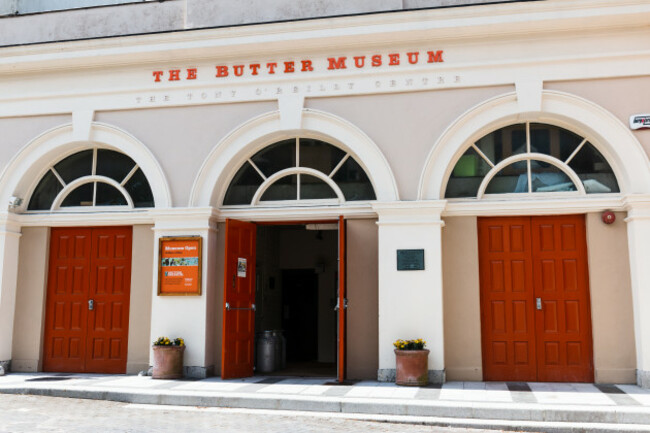
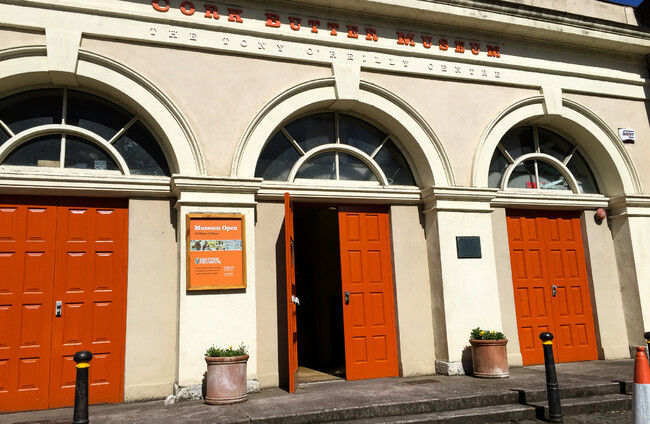
As a condiment, it’s easy to take butter for granted. In Cork, nestled in the quaint Shandon area within the city, The Butter Museum celebrates the remarkable history and success of the humble (and delightful) spread. Aptly, the museum is situated in the building that was formerly the Cork Butter Exchange, dating back to 1849.
The significance of the Butter Museum’s location in Cork is integral to the overall history of the dairy product. In the 19th century, Cork was the largest exporter of butter in the world.
The museum explores various home churning methods and the equipment used throughout the years, the importance of the dairy industry to Ireland’s economy, examples of beautiful packaging as well as various magazine clippings from recipes to advertisements. However, the highlight of The Butter Museum’s collection is the bog butter which was buried in 1000 A.D.
As well as witnessing butter that has been preserved for thousands of years, you can watch the process of making butter during your visit to the museum. There are scheduled demonstrations of this incredible craft that you can plan your visit around.
The Butter Museum is one of Ireland’s more unusual cultural institutions, but it leaves visitors with a renewed appreciation for the delicious spread and its invaluable contribution to Ireland’s economy and history.
To embed this post, copy the code below on your site





have your say