Sign in. It’s quick, free and it’s up to you.
An account is an optional way to support the work we do. Find out more.
Sign in. It’s quick, free and it’s up to you.
An account is an optional way to support the work we do. Find out more.
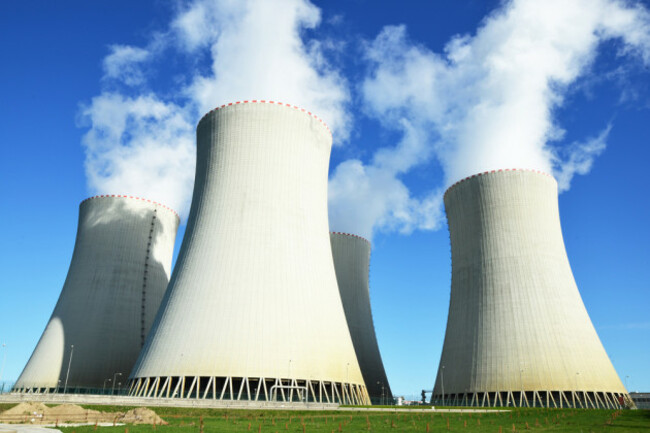
A RADIOACTIVE CLOUD of pollution over Europe in late-September indicates that an incident happened in a nuclear facility in Russia or Kazakhstan, the French nuclear safety institute IRSN has said in a statement.
Though the extact location could not be pinpointed, the institute said the “plausible zone of release” lies between the Urals and Volga river.
The levels recorded in Europe pose “no consequence to human health and for the environment.”
The IRSN has said a significant quantity of Ruthenium 106 – a man-made radioactive nuclide made when splitting atoms – was released.
According to its simulations and data it says between 100 and 300 teraBecquerels were released at the source.
They noted that if an accident of similar proportion happened in France, they would have been required to implement measures of protection on the local population within a few kilometre radius around the release point.
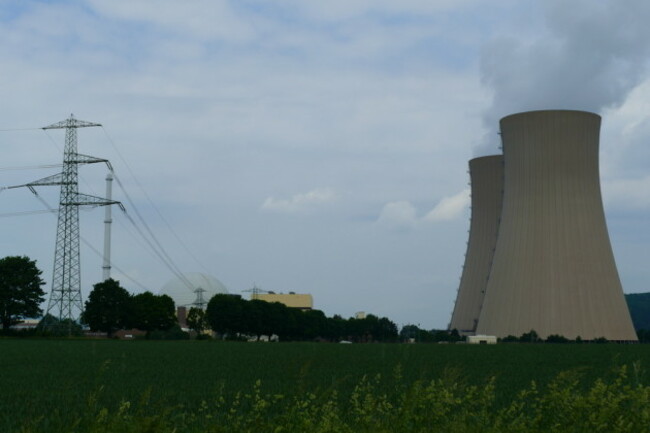
Any foodstuffs caught in a few tens of kilometres of the origin site would exceed the maximum permitted levels of teraBecquerels.
Though the IRSN considers the importation of foodstuffs from the origin area to be low, they precaution random checks as particular foodstuffs (like mushrooms) can contain high levels of teraBecquerels if exposed close to the source of an event.
They do note however, that the potential health risk associated with this particular “scenario is also very low.”
The Irish EPA was monitoring the issue at the time, and found no ruthenium in the air around Ireland.

To embed this post, copy the code below on your site










have your say