Sign in. It’s quick, free and it’s up to you.
An account is an optional way to support the work we do. Find out more.
Sign in. It’s quick, free and it’s up to you.
An account is an optional way to support the work we do. Find out more.
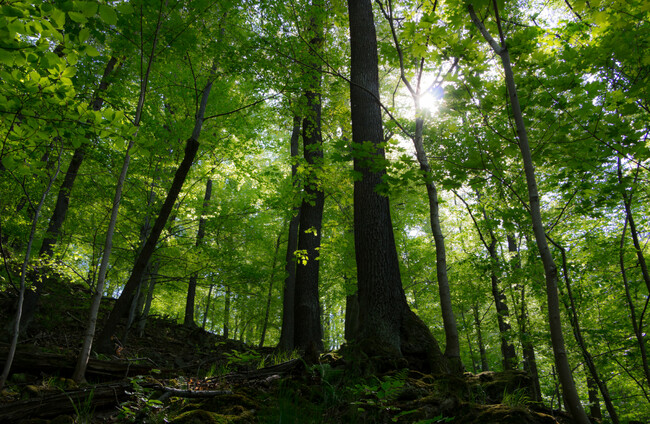
NINE COMMERCIAL FORESTS in Dublin are to be redesigned in favour of recreational and biodiversity uses, the state-sponsored forestry company Coillte announced.
It comes following the launch of Coillte Nature – a multi-million euro project designed to deliver recreational projects across the country.
It will target the delivery of new woodlands, facilitating species diversity, biodiversity and carbon sequestration as part of a national forestry programme.
More than 600,000 people per year visit the nine Dublin forests, currently used for timber stock, making them some of the most visited outdoor spaces in the country.
The nine forests selected for the first phase of the initiative are: Ticknock, Barnaslignan, Carrigolligan, Kilmashogue, Ballyedmonduff, Massey’s Wood, Hell Fire, Cruagh, and Tibradden.
“Coillte’s focus is to drive a strong commercial performance and at the same time provide a valuable environmental and social dividend to society at large,” chair of Coillte, Bernie Gray said.
“Coillte is ideally positioned to lead the creation of new woodlands for carbon sequestration and to develop recreational forestry for the enjoyment and wellbeing of the public.
“The Dublin mountains conversion project, within Coillte Nature, which we are announcing today is an excellent example of the kind of collaboration and innovation which Coillte can deliver for the benefit of the environment and our citizens,” she added.
Wildlife
The Irish Wildlife Trust welcomed the announcement as a “very significant step towards creating large areas of woodland which are permanently devoted to wildlife and recreation”.
It said just 1% of land is covered in native woodland – one of the lowest in the world.
IWT campaign officer, Pádraic Fogarty said: “We really need big public landowners like Coillte and Bord na Mona to play their part in addressing our biodiversity and climate emergency by transforming their operations towards land restoration and habitat creation.
“In time we’d like to see large areas of their estate solely devoted to nature conservation while areas for commercial production need to be managed under more nature-friendly methods such as ‘continuous cover forestry,” he added.

To embed this post, copy the code below on your site















have your say